雅思口语考试中,想要在回答中展现“聪明”的特质,并非单纯追求词汇的复杂或句式的堆砌,而是通过逻辑清晰、视角独特、表达自然的回应,体现思维的深度与灵活性,所谓“聪明”的答案,往往具备以下几个核心特征:精准审题、结构化表达、个性化视角、自然衔接与互动感,以及精准的词汇语法运用,这些特质共同作用,能让考官感受到考生不仅具备语言能力,更有成熟的思维方式和沟通能力。
精准审题:抓住核心,避免偏离
“聪明”的答案首先建立在对题目准确理解的基础上,雅思口语Part 1、Part 2、Part 3的题目类型和考察重点不同,需针对性应对,Part 1的问题通常简单直接(如“Do you like reading?”),但“聪明”的考生不会仅用“Yes, I do”或“No, I don’t”敷衍,而是快速抓住关键词“like”,并延伸关联细节——不仅表明态度,还能简要说明原因、偏好或相关经历,比如回答:“Yes, I’m quite into reading, especially novels. They help me relax after a busy day, and I’ve always been amazed by how stories can transport you to different worlds.” 这样的回答既回应了“like”,又通过“原因+感受”丰富了内容,展现主动延伸的思维。
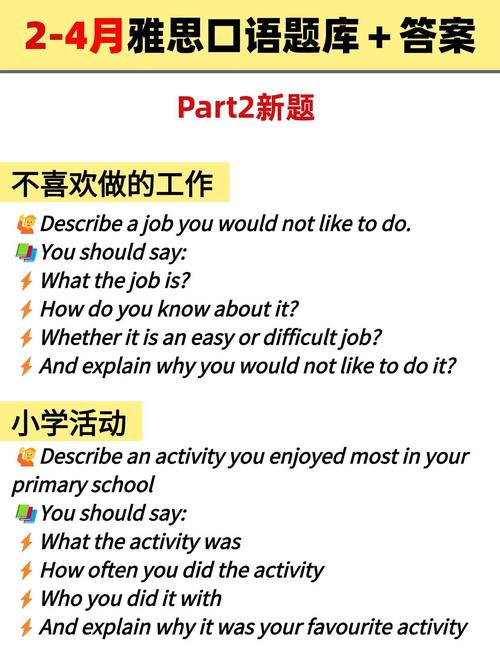
Part 2的“个人陈述题”则需注重“故事性”和“细节填充”,很多考生会罗列观点,但缺乏逻辑串联。“聪明”的答案会围绕“事件-起因-经过-结果-感受”的结构展开,用具体细节代替抽象描述,例如题目“Describe a time you helped someone”,若回答帮助同学解决数学问题,可具体描述:“I noticed my classmate Tom was stuck with a calculus problem during lunch break. He looked frustrated, so I offered to help. First, I asked him to explain where he got stuck, then I drew a diagram to illustrate the concept, and finally we worked through the steps together. When he finally understood, his relieved smile made me realize how satisfying it is to use my knowledge to help others.” 这样的回答通过“动作+对话+心理活动”让故事生动,而非干巴巴的“我帮助了他,他很开心”。
Part 3的“深度讨论题”考察逻辑思辨,“聪明”的答案需体现“多角度分析”和“辩证思维”,例如题目“Do you think technology makes people more lazy?”,避免绝对化的“Yes/No”,而是从不同场景切入:“It depends. On one hand, technology like washing machines or food delivery apps确实 reduces physical labor, making people less active in daily chores. But on the other hand, it also encourages mental productivity—for example, online learning platforms require self-discipline and critical thinking. So I’d say technology doesn’t inherently make people lazy; it’s how we use it that matters.” 这样的回答通过“辩证视角+具体例证+,展现思维的全面性。
结构化表达:逻辑清晰,层次分明
无论何种题型,清晰的结构能让考官快速抓住重点,体现思维的条理性。“聪明”的答案常用“总-分-总”“观点-解释-例证”“对比-转折-等框架,避免想到哪儿说到哪儿。
以Part 2为例,可借助“故事四要素”搭建框架:
- 背景(Background):何时、何地、与谁相关(如“Last summer, during a volunteer program in a rural village”);
- 冲突(Conflict):遇到了什么问题(如“The village school lacked English teaching materials, and kids were losing interest”);
- 行动(Action):如何解决(如“I designed simple games with flashcards and organized a storytelling session”);
- 结果与感受(Result & Feeling):带来了什么影响,有何感悟(如“The kids became more engaged, and I learned that creativity matters more than resources”)。
这种结构不仅让内容连贯,还能自然填充时间,避免卡顿,Part 3中,则可使用“观点+原因+举例+的结构,例如讨论“是否应该鼓励孩子竞争”,回答:“I believe moderate competition is beneficial for children’s growth. Firstly, it teaches them resilience—losing helps them learn to cope with setbacks. For example, when my brother joined a math competition, he initially failed but practiced harder and eventually improved. However, excessive competition might cause anxiety, so parents should balance encouragement with pressure. In conclusion, competition is a double-edged sword; the key is to guide children to focus on progress rather than just winning.” 逻辑层层递进,展现严谨的思维。
个性化视角:拒绝模板,展现真实
“聪明”的答案并非套用高级模板,而是融入个人经历与独特视角,让回答有“温度”和“辨识度”,考官每天听大量回答,模板化的内容(如“万能理由”“固定故事”)难以留下印象,而个性化的细节却能体现考生的真实与思考。
被问“Describe a book you like”,若避免“《哈利波特》”等常见答案,可分享一本小众但有意义的书:“I love ‘The Little Prince’ not just for its story, but for how it changed my perspective on life. After reading it, I started noticing how adults often focus on ‘numbers and success’ while ignoring simple things like sunsets or laughter. Last year, when I was stressed about exams, I re-read it and realized that what truly matters is the connections we make with people. This book isn’t just a story; it’s a reminder to stay childlike at heart.” 这样的回答结合了书籍内容、个人经历与感悟,真实且有深度,远胜于单纯复述情节。
Part 3中,个性化视角还体现在对问题的“延伸思考”,例如题目“Do you think artificial intelligence will replace teachers?”,可结合自身经历:“In my online English class, we use an AI app to correct pronunciation, which is helpful. But it can’t replace my human teacher—she notices when I’m nervous and encourages me, which AI lacks. So I think AI will assist teachers but not replace them, because education is not just about knowledge transfer, but about emotional connection.” 通过“个人体验+观点延伸”,让回答更具说服力。
自然衔接与互动感:口语化表达,避免书面化
雅思口语是“交流”而非“背诵”,“聪明”的答案需体现自然流畅的语言风格,包括恰当的衔接词、语气词、停顿和反问,让对话有“互动感”。
衔接词的使用需自然,避免生硬堆砌,例如表示转折时,用“Actually…”“Well…”“But on the other hand…”比“However…”“Nevertheless…”更口语化;表示递进时,“What’s more…”“And another thing is…”比“Furthermore…”更自然,例如回答“Do you prefer living in a city or countryside?”:“I used to think cities are better because of more job opportunities, but actually, I’ve grown to love the countryside now. Well, the air is fresher there, and you can wake up to birdsong instead of traffic noise. What’s more, people in small towns seem to know each other better, which makes me feel more connected.” 这样的衔接词让逻辑更顺畅,且符合日常对话习惯。
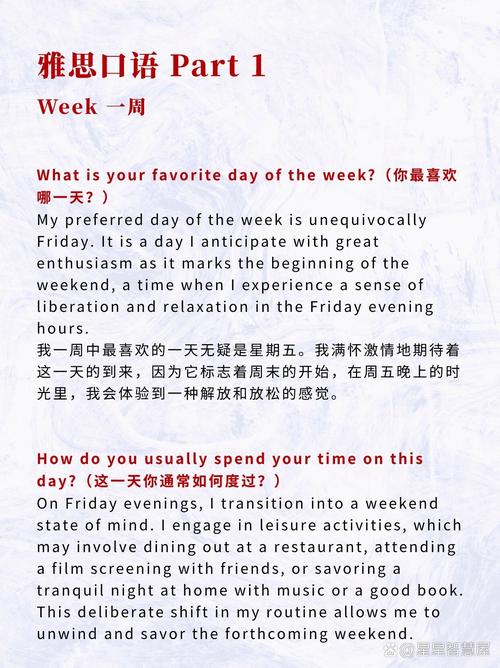
语气词和停顿也能体现自然感,例如在思考时说“Let me see…”“That’s an interesting question…”,在强调时用“Actually…”“You know…”,能让回答更真实,避免“机器人式”的流畅,例如Part 3被问“Should schools teach more practical skills?”,可回答:“Hmm, that’s a good question. I think yes, because many students struggle with real-life tasks after graduation. Like, my cousin knew a lot of theory about cooking but didn’t know how to boil an egg when she first moved out! So schools should add more practical classes, like cooking or basic finance, to help students prepare for independence.” “Hmm”“Like”等口语化表达,让回答更生动。
精准的词汇语法:准确优先,适度升级
“聪明”的答案并非追求“生僻词”或“复杂句”,而是“精准用词+恰当句式”,在保证准确性的基础上,体现语言能力,词汇的使用需贴合语境,例如描述“开心”,根据场景可用“thrilled”(激动)、“content”(满足)、“cheerful”(开朗),而非一律用“happy”,句式则需多样,简单句与复合句结合,避免单调,例如回答“Describe a gift you received”,可混合使用简单句、并列句和从句:“Last year, on my 18th birthday, my sister gave me a handmade photo album. It wasn’t expensive, but it meant the world to me. Inside, there were pictures of us from childhood, and she wrote little notes next to each one, saying things like ‘Remember when we built that sandcastle?’ or ‘You’re my best friend forever’. I still look through it when I feel homesick, and it always reminds me of how much she cares about me.” 句式长短结合,既有简单句陈述事实,也有复合句补充细节,自然且不刻意。
相关问答FAQs
Q1:雅思口语中,用复杂句式和高级词汇一定能拿高分吗?
A1:不一定,雅思口语评分的核心是“沟通的有效性”,而非词汇或句式的复杂度,如果复杂句式使用错误(如时态混乱、从句引导词误用)或高级词汇用词不当(如语义偏差、搭配错误),反而会降低分数,聪明的做法是:在保证语法和词汇准确的基础上,适当使用多样句式(如简单句、并列句、从句结合)和精准词汇(如贴合语境的词),重点确保表达清晰、逻辑连贯,描述“雨很大”,用“It’s raining heavily”比“ precipitation is torrential”更自然准确,前者也能体现语言能力。
Q2:Part 2没准备过类似话题,如何快速组织“聪明”的答案?
A2:即使话题不熟悉,也可借助“万能框架+个人经历”快速组织内容,例如Part 2的“描述一个经历”,可围绕“何时(When)、何地(Where)、和谁(With whom)、做了什么(What)、为什么做(Why)、结果如何(Result)、感受怎样(Feeling)”展开,用具体细节填充,若话题陌生,可关联熟悉的生活场景:比如题目“Describe a time you tried a new food”,即使没试过“异国料理”,也可写“第一次做妈妈做的菜”“尝试同学分享的零食”等,通过“动作+感受+小故事”让内容生动,关键是避免卡壳,用简单语言把事情说清楚,体现逻辑和应变能力,而非强行堆砌不熟悉的内容。