在雅思口语考试中,"借东西"是一个高频生活场景话题,可能涉及借学习用品、生活用品甚至特殊物品,回答时需注意逻辑清晰、细节丰富,并体现礼貌用语和自然表达,以下是一篇范文,涵盖常见借物场景及实用表达,供参考。
在日常生活中,我们难免会遇到需要向他人借东西的情况,比如借笔、借书或借家电等,这类话题在雅思口语Part 1和Part 2中都可能出现,考察的是考生描述事件、表达需求及沟通技巧的能力,以下以“向邻居借吸尘器”为例,展示如何完整回答这类问题。
Last month, I had to borrow a vacuum cleaner from my neighbor, Mrs. Li. It was a Saturday morning, and I was busy cleaning my apartment when I suddenly realized my old vacuum cleaner had broken down. The dust and pet hair on the floor were driving me crazy, and I didn’t have time to buy a new one immediately. That’s when I decided to ask Mrs. Li for help, as I knew she had a new and powerful vacuum cleaner.
I knocked on her door at around 10 a.m. She was surprised to see me but greeted me warmly. I explained my situation politely: “Hi, Mrs. Li! Sorry to bother you. My vacuum cleaner stopped working this morning, and my floor is a mess. I was wondering if I could borrow yours for just an hour? I promise to return it right away after use.” Mrs. Li smiled and said, “Of course! No problem at all. Please come in and take it. I just cleaned the carpet with it, so it works perfectly.” She showed me how to use it and even gave me an extra bag for the dust.
After borrowing the vacuum cleaner, I went back home and finished cleaning in about 40 minutes. It was much more efficient than my old one! I then cleaned the machine thoroughly, wrapped the cord neatly, and returned it to Mrs. Li with a small box of cookies as a thank-you gift. She was really happy and said, “You’re so thoughtful! Feel free to ask me anytime you need help.”
This experience made me realize that borrowing things isn’t just about getting what you need—it’s also about building good relationships with others. Politeness and responsibility are key: always explain your situation clearly, return the item on time, and show gratitude. If I hadn’t been careful with the vacuum cleaner or forgotten to return it, Mrs. Li might not have been willing to help me next time.
In conclusion, borrowing things is a common part of life, and handling it well can make daily interactions smoother. Whether it’s a pen, a book, or a larger item, the key is to communicate respectfully and act responsibly.
相关问答FAQs
Q1: 雅思口语中被问到“借东西”时,如何避免回答过于简单?
A1: 避免简单回答“是的,我借过”或“没有”,可以采用“情境+细节+感受”的结构:先说明借了什么、何时何地借的,再描述原因(如物品损坏、急需使用等),接着补充过程(如何沟通、对方的态度),最后分享结果或感受(如顺利解决问题、学到什么),除了回答“借过吸尘器”,还可展开说明“邻居很热心,教我使用技巧,结束后我还送了小礼物表示感谢”,这样能让回答更生动、有层次。
Q2: 借东西话题中,有哪些实用词汇和句式能提升口语表达?
A2: 常用词汇包括:borrow(借入)、lend(借出)、return(归还)、trouble sb(麻烦某人)、in good condition(状态良好)、grateful(感激的)等,实用句式有:
- “I was wondering if I could borrow...”(我想知道是否能借……)
- “Do you happen to have... that I could use?”(你恰好有……能让我用一下吗?)
- “I’ll make sure to return it as soon as possible.”(我会尽快归还的。)
- “Thank you so much for your help; it really means a lot.”(非常感谢你的帮助,这对我很重要。)
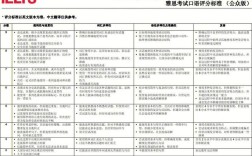
这些词汇和句式能让表达更自然、礼貌,符合雅思口语对“沟通与互动”的评分要求。