在雅思口语考试中,当话题涉及“couple”(夫妻、情侣)时,考生需要从多个维度展开描述,包括人物关系、共同经历、性格特点、相处模式等,以展现丰富的词汇量和逻辑组织能力,以下将从基础定义、场景应用、高分技巧及常见误区等方面进行详细解析,帮助考生全面掌握这一话题的应对策略。
基础定义与核心要素
“Couple”在英语中既可指“一对情侣”(dating couple),也可指“已婚夫妇”(married couple),在口语描述中,需明确人物关系阶段,并围绕以下核心要素展开:
- 人物背景:年龄、职业、相识方式(如通过朋友、工作、校园等)。
- 性格特点:互补型(如一人外向一人内向)或相似型(如都热爱运动),需结合具体事例说明。
- 共同活动:日常相处(如做饭、散步)、特殊经历(如旅行、面对困难)、未来计划(如结婚、生子)。
- 关系动态:沟通方式、冲突解决、情感支持等,体现关系的健康度。
描述父母作为“couple”时,可提及:“My parents have been married for 20 years. My father is an engineer—calm and logical, while my mother, a teacher, is more outgoing and emotional. They balance each other: my father helps my mother with lesson planning, and my mother encourages my father to try new hobbies like hiking.”
场景应用与话题拓展
雅思口语 Part 1 至 Part 3 均可能涉及“couple”相关话题,需根据不同环节调整回答深度:
Part 1:基础问题(简短回答+细节补充)
常见问题示例:
-
Do you like being in a couple?
回答思路:先表明态度,再补充原因。
“Yes, I value being in a couple because it provides emotional support. For example, when I feel stressed about exams, my partner listens to me and helps me relax, which makes challenges feel more manageable.” -
What do couples usually do for fun in your country?
回答思路:列举典型活动+文化特色。
“In China, couples often go for dinners, watch movies, or take short trips. Some prefer traditional activities like making tangyuan (sweet dumplings) during festivals, as it strengthens their bond through shared cultural experiences.”
Part 2:个人陈述(故事化描述) 要求“Describe a couple you admire”,可按“人物引入—关系细节—值得敬佩的原因—个人感受”展开:
| 结构 | 内容要点 |
|---|---|
| 开头 | 介绍couple(如我的表哥和嫂子),相识时间(大学恋爱,结婚5年)。 |
| 关系细节 | 共同创业(开咖啡馆),性格互补(表哥创意多,嫂子细心管理),分工合作案例。 |
| 值得敬佩处 | 面对疫情亏损时的坚持(转型外卖、研发新品),互相支持的故事。 |
| 对自己婚姻观的启发(“Good couples grow together through challenges”)。 |
Part 3:深入讨论(抽象观点+社会现象)
考官可能追问:“Why do some young people hesitate to get married nowadays?”
回答思路:分析原因+举例+对比过去:
“Nowadays, young people prioritize personal development over marriage. For instance, many focus on careers or further education instead of settling down, as society emphasizes individual success. Unlike previous generations who married for stability, modern couples seek emotional compatibility and shared life goals, which takes longer to achieve.”
高分技巧与词汇积累
-
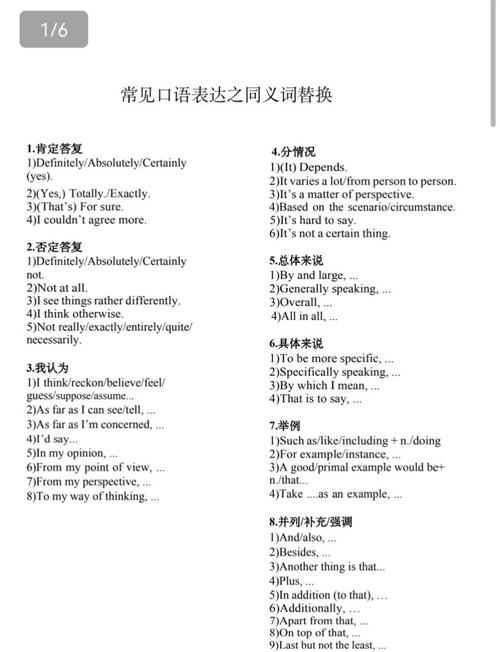
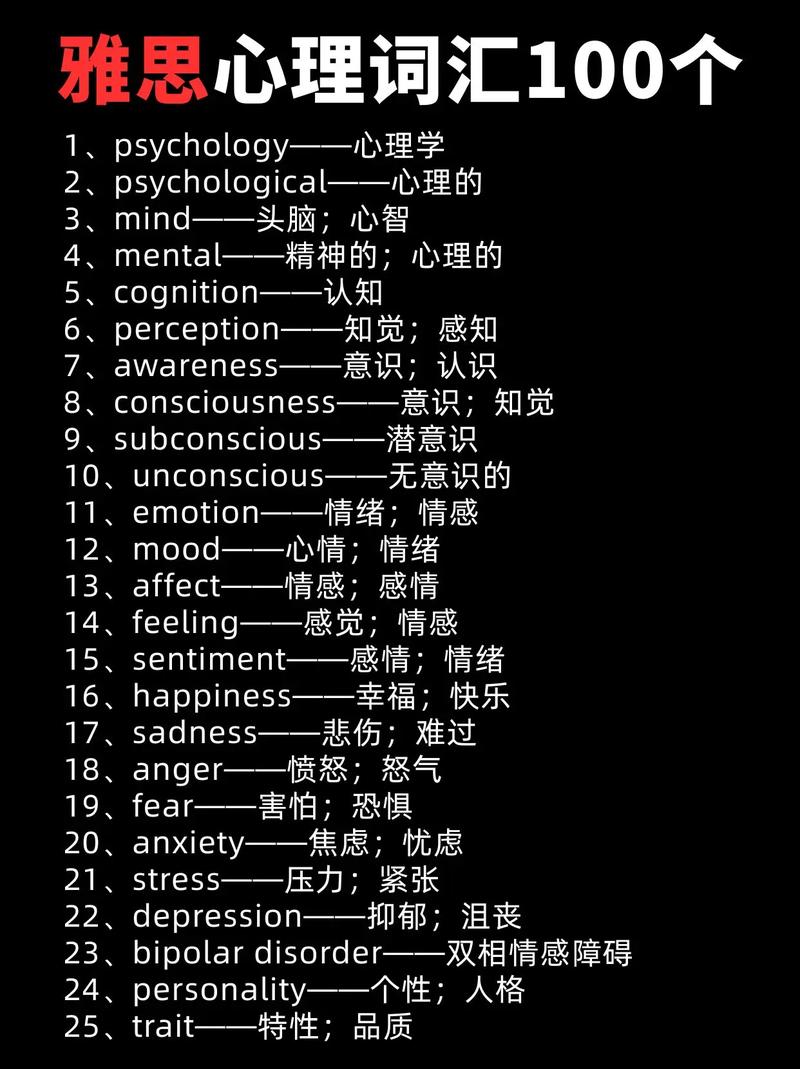
词汇升级:避免重复使用“couple”,可用“pair”“duo”“partnership”等;描述关系时,用“bond”“connection”“chemistry”替代简单的“relationship”。
 (图片来源网络,侵删)
- 例:They have a strong partnership in raising children.(比“good relationship”更具体)
-
时态与语态灵活运用:描述过去经历用一般过去时,现状用现在时,未来计划用将来时;被动语态可强调客观事实(如“Love is often seen as the foundation of a couple”)。
-
逻辑连接词:使用“Furthermore”“In addition”“On the other hand”等连接观点,使回答更连贯。“My parents are similar in their love for travel; however, my father prefers adventurous trips, while my mother enjoys cultural tours.”
-
情感与细节:加入具体感受(如“their laughter always fills the room”)或感官细节(如“the aroma of coffee they made together every morning”),让描述更生动。
常见误区与注意事项
- 避免泛泛而谈:仅说“They are happy”缺乏说服力,需通过事例证明(如“they celebrate small anniversaries with handwritten notes”)。
- 文化差异敏感:描述西方couple时,避免刻板印象(如并非所有西方情侣都婚前同居);提及中国couple时,可结合传统与现代观念的平衡。
- 控制回答时长:Part 1 每题40-50秒,Part 2 1.5-2分钟,Part 3 每题1分钟,需根据时间调整细节密度。
FAQs
Q1: 雅思口语中描述“couple”时,是否必须用真实经历?
A1: 不一定,真实经历更容易自然流露情感,但如果缺乏素材,可基于合理想象虚构,但需确保细节逻辑自洽(如虚构的couple关系需符合常理,避免矛盾),描述“a couple who met in a library”时,可补充“they bonded over their favorite author, which felt realistic and relatable”。
Q2: 如何在回答中避免重复使用“couple”一词?
A2: 可通过替换名词、使用代词或描述性短语来丰富表达。
- 替换名词:“this pair”“the two”“the duo”
- 代词:“they”“them”“their”
- 描述性短语:“the newlyweds next door”“my long-term partner”
“The couple (→ couple) I met at the wedding (→ the pair) seemed deeply in love; they (→ they) couldn’t stop smiling at each other throughout the event.”
考生可系统掌握“couple”话题的应对方法,从基础词汇到复杂论述,逐步提升口语表达的准确性与丰富性,在考试中展现更高的语言水平。