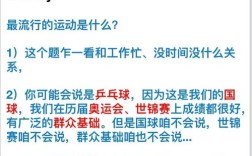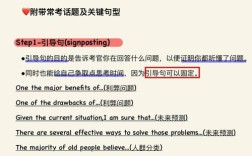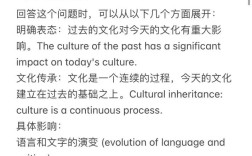
雅思口语Part 3作为整个口语考试中最具挑战性的部分,不仅考察考生的语言表达能力,更侧重于逻辑思维、批判性思考和深度分析能力,与Part 1的日常简短问答和Part 2的个人话题描述不同,Part 3通常围绕抽象概念、社会现象或观点展开,问题更具开放性,需要考生进行多角度论证和细节补充,要在这部分取得高分,掌握系统的答题技巧至关重要,以下从核心思路、结构搭建、语言表达和实战策略四个维度展开详细解析。
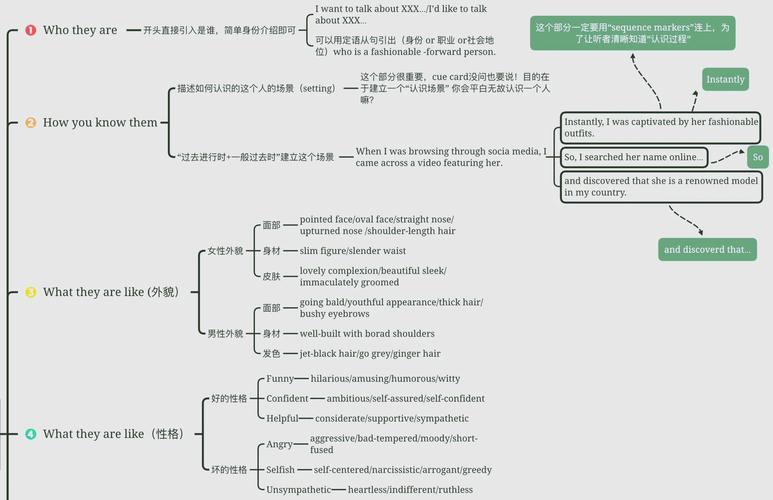
核心思路:从“回答问题”到“展开讨论”
Part 3的本质不是“正确答案”,而是“有逻辑的讨论”,考生需跳出“对错”思维,聚焦于“如何让观点清晰、论证充分”,具体可遵循以下三个核心原则:
- 观点明确,立场清晰:避免模棱两可的表述(如“Maybe…”“I don’t know”),直接给出核心观点,哪怕观点简单,也要先明确方向,被问“Do you think technology makes people more isolated?”,可先回答“Yes, I believe so, but with some exceptions.”,为后续论证铺垫。
- 具体化抽象,拒绝空泛:Part 3问题常涉及“social changes”“cultural values”等抽象概念,需用具体例子或场景支撑观点,讨论“是否应该禁止塑料袋”,可举例“超市推行可降解包装,或政府向消费者收费以减少使用”,让观点落地。
- 辩证思考,体现深度:高分答案往往包含“多角度分析”,如承认观点的合理性(Admittedly…),同时指出局限性(However…),或对比不同群体/情况的差异(For the elderly…, while for young people…),回答“远程办公是否提高效率”,可先说“对需要专注的岗位效率提升”,再补充“但对团队协作可能产生负面影响”,展现思维的全面性。
结构搭建:用“逻辑框架”替代“零散表达”
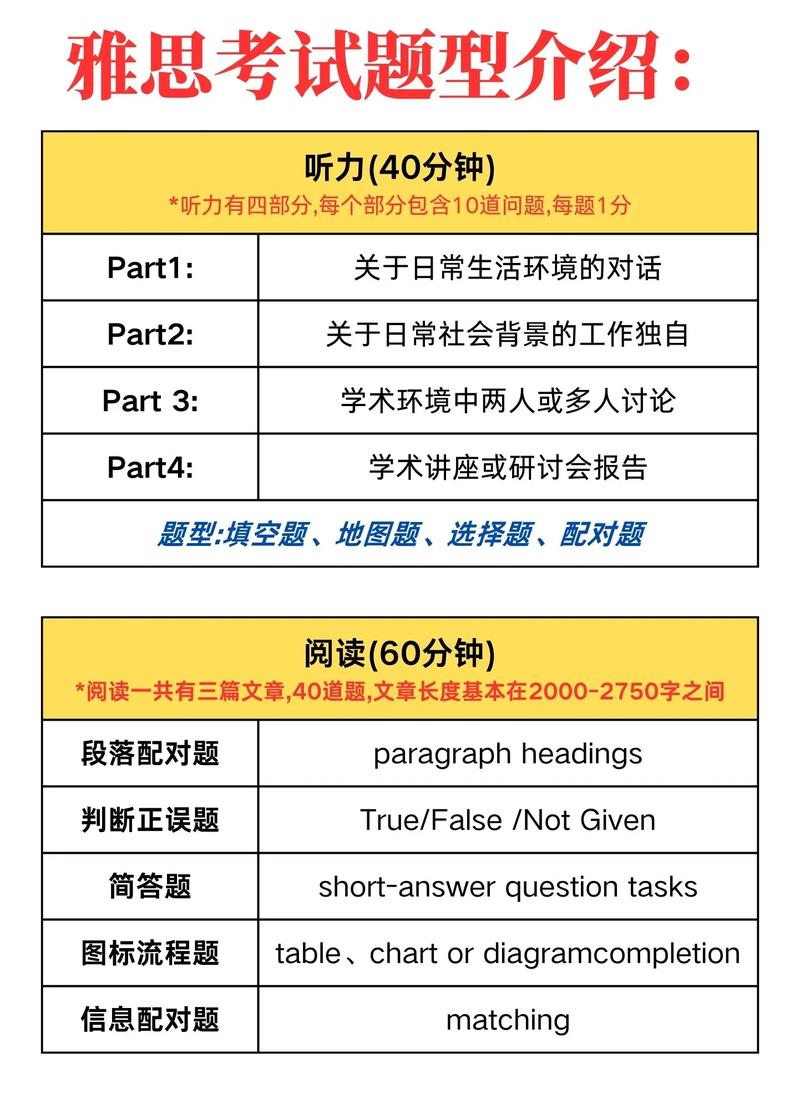
Part 3答题无需华丽辞藻,但需清晰的结构,推荐使用“观点+论证+举例+的四步框架,确保内容连贯、层次分明,以下是具体步骤及示例:
观点句(Topic Sentence)
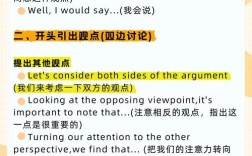
用1-2句话直接回应问题,明确核心立场,句式可参考:“I tend to believe that…”, “From my perspective…”, “There’s no denying that…, but…”。
例:Q: Do you think traditional culture is still important in modern society?
A: I firmly believe that traditional culture plays an irreplaceable role in modern society, as it shapes our identity and provides a sense of belonging.
论证(Explanation/Reasoning)
用2-3句话解释观点,说明“为什么”,可从原因、影响、意义等角度展开,句式参考:“The main reason is…”, “This is because…”, “What’s more…”, “From a psychological/sociological perspective…”。
例:Firstly, traditional festivals and rituals connect us with our roots, helping younger generations understand their history. For instance, celebrating the Spring Festival with family reunions reinforces the value of filial piety, which is crucial for social harmony.
举例(Example/Detail)
用具体事例、数据或个人观察支撑论证,增强说服力,避免泛泛而谈,细节越具体越真实,句式参考:“A case in point is…”, “For example, I once noticed…”, “According to a survey…”, “Take…as an illustration.”
例:In my city, the annual Dragon Boat Festival not only includes dragon boat races but also teaches children to make zongzi, a traditional food. This hands-on experience makes cultural heritage more tangible and memorable for the youth.
Conclusion/Extension)
用1句话重申观点,或引申讨论,体现思考的延伸,句式参考:“Therefore…”, “In conclusion…”, “All in all…”, “Looking ahead, I think…”。
例:Thus, preserving traditional culture is not about clinging to the past, but about adapting it to modern life to ensure its continuity.
语言表达:用“高级感”提升分数
Part 3对语言复杂度要求较高,需在准确基础上,通过词汇、句式和连接词展现语言能力。
词汇:从“基础”到“精准”
- 替换高频词:避免重复使用“good”“important”“many”,可用“beneficial”“crucial”“numerous”等替代。
- 主题词汇积累:针对常见话题(如科技、教育、环境)积累核心词汇,科技”类:innovative, cutting-edge, double-edged sword;“教育”类:holistic development, critical thinking, pedagogy。
- 抽象名词化:将动词转化为名词,提升语言正式度,People should protect the environment”→“The protection of the environment is essential.”
句式:从“简单”到“多样”
- 复合句为主:适当使用定语从句(which, that)、状语从句(although, because)、名词性从句(what, whether)等,避免简单句堆砌。
例:While some argue that online learning is convenient, I believe that face-to-face interaction plays a vital role in fostering effective communication. - 倒装句强调:用“Not only does… but also…”“Only in this way can…”等结构增强语气。
例:Not only does regular exercise improve physical health, but it also alleviates mental stress. - 插入语补充:用“frankly speaking”“more importantly”“as a matter of fact”等插入语使表达更自然。
连接词:从“基础”到“逻辑”
Part 3需清晰的逻辑过渡,连接词是关键,以下为高频连接词分类:
| 逻辑关系 | 连接词 |
|--------------|------------|
| 递进 | Moreover, Furthermore, In addition, What’s more |
| 转折 | However, Nevertheless, On the contrary, Admittedly |
| 因果 | Therefore, Thus, Consequently, As a result |
| 举例 | For instance, For example, A case in point is |
| 对比 | Similarly, In contrast, By contrast, Conversely |
实战策略:应对不同题型与突发情况
Part 3题型多样,需针对性调整策略;同时考场上的应变能力也直接影响发挥。
题型分类与答题侧重
- 观点类(Do you think…?/To what extent do you agree…?):重点展现辩证思维,既肯定合理性,也指出局限性,最后给出平衡结论。
- 原因/影响类(Why…?/What are the effects of…?):从多维度分析(个人、社会、经济、文化等),用具体原因+结果链条展开。
- 对比类(How is… different from…?/Which do you prefer…?):明确对比点(如成本、效率、适用性),避免泛泛而谈。
- 预测/建议类(What do you think will happen in the future?/What should be done to…?):结合趋势(如科技发展、社会变迁)给出合理预测,或从政府、个人、企业等层面提出建议。
考场应变技巧
- 没听清问题:礼貌请求考官重复,Sorry, could you rephrase the question, please?”或“I didn’t catch the last part, could you clarify that?”,避免沉默。
- 思路卡顿:用“filler phrases”争取时间,That’s an interesting question…”, “Let me think…”, “Well, I suppose…”,同时快速用“观点+原因”框架组织语言。
- 词汇不足:用解释性表达替代,如果不知道‘sustainable development’,可说“ways to develop without harming the environment”。
相关问答FAQs
Q1: Part 3回答太短,如何拓展内容? 的核心是“具体化”和“多角度”,可从以下方法入手:① 举例法:用个人经历、社会现象或假设案例支撑观点;② 对比法:对比不同群体(如老人/年轻人)、不同地区(如城市/农村)的差异;③ 因果链:分析“原因→结果→进一步影响”,远程办公普及→减少通勤时间→提高生活质量→促进工作与生活平衡”,多用连接词(如“moreover”“furthermore”)增加逻辑层次,避免同一层面重复。
Q2: Part 3需要使用复杂句式吗?会不会出错?
A: Part 3确实鼓励使用复杂句式以展示语言能力,但“准确性”永远优先于“复杂性”,如果复杂句掌握不熟练,建议优先保证简单句和基础复合句的正确(如主谓一致、时态准确),在此基础上,可逐步尝试1-2个定语从句或状语从句,The reason why I support this idea is that it addresses environmental issues.”,确保语法正确后再增加难度,考官更看重语言的流畅性和逻辑性,而非堆砌复杂句式。