雅思口语考试中,当话题涉及到“pencil”时,许多考生可能会觉得这是一个简单到无需准备的词汇,但实际上,从物品的基本描述到深层的文化意义、个人经历关联,恰恰是展现语言能力的关键,如何将这个看似平凡的词汇拓展成有逻辑、有细节、有个性的回答,需要从多个维度进行构思。
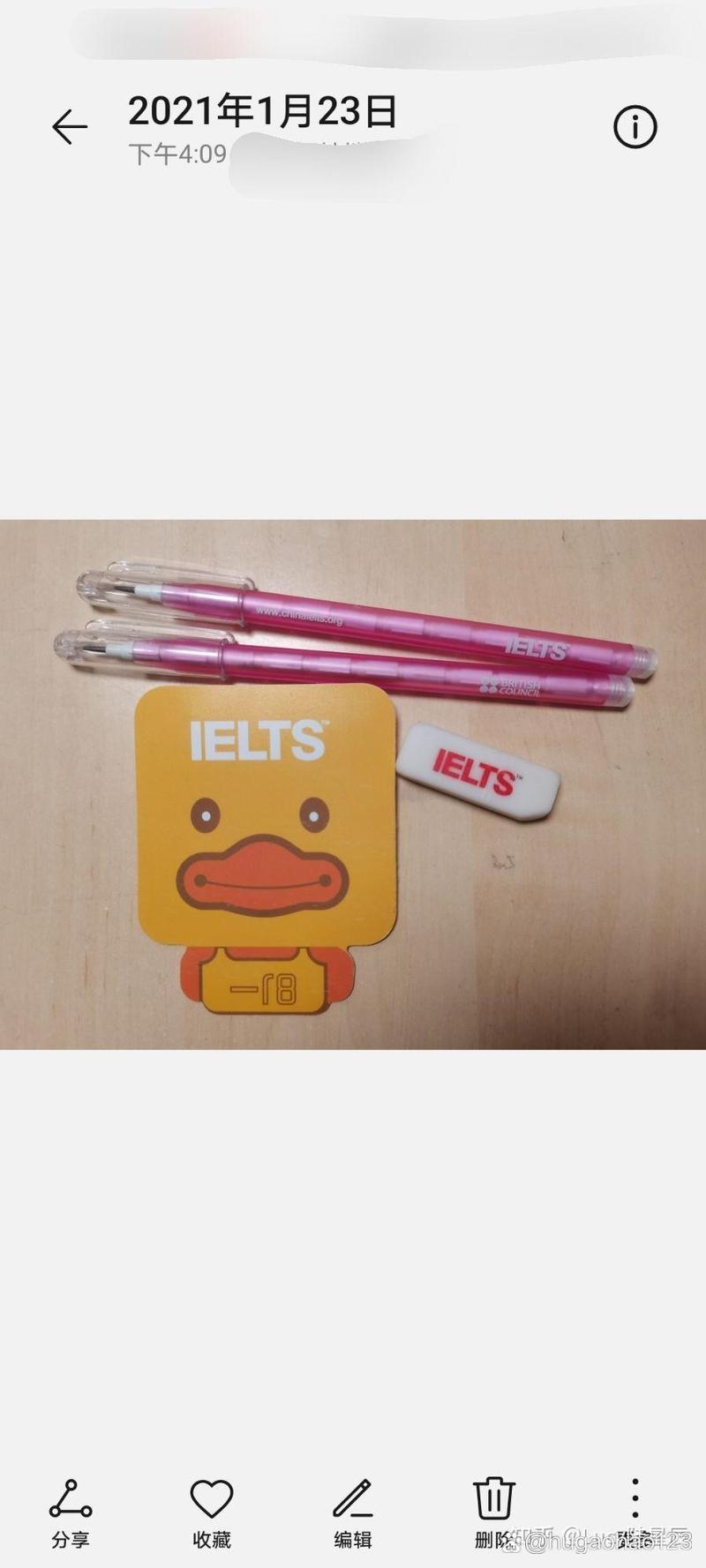
从物品的基本属性出发,可以描述铅笔的外观、材质和功能,一支典型的铅笔通常由木质笔杆、石墨笔芯和金属箍(固定橡皮擦的部分)组成,木质笔杆多为黄色或原木色,表面可能有品牌logo或花纹,手感光滑略带纹理;石墨笔芯的硬度从6H(最硬)到6B(最软)不等,不同硬度适用于书写、绘画或素描;金属箍一般为银色,连接着橡皮擦,橡皮擦多为粉色,使用后会留下碎屑,这些细节的描述不仅展示了词汇量,还能通过对比(如“harder lead for precise lines, softer for shading”)体现逻辑层次,在回答“Describe a pencil you often use”时,可以具体到:“I usually use a HB pencil from a Japanese brand. The barrel is made of light cedar wood, which smells nice when I sharpen it, and the core is dark enough to write clearly but doesn’t smudge easily. The eraser is small but effective, though I tend to wear it down quickly because I often make mistakes when I’m taking notes in class.” 这样的描述包含了材质(cedar wood)、功能(write clearly, doesn’t smudge)、感官细节(smells nice)和个人使用习惯(wear it down quickly),让回答更具真实感。
铅笔的功能和用途是拓展内容的重要方向,除了基础的书写和绘画,铅笔在不同场景下有独特价值,对学生而言,铅笔是考试时的“标配”,因为铅笔字可以擦改,适合填涂答题卡或做演算;对设计师或艺术家,铅笔是创意的起点,素描铅笔能通过线条粗细、明暗变化勾勒出立体感;对木工或建筑师,铅笔是标记工具,其硬度能在木材或金属表面留下清晰痕迹却不至于损坏材料,在口语回答中,可以结合个人经历,讲述铅笔在特定场景中的作用,当被问及“Is pencil more important than pen in your daily life?”时,可以回答:“Definitely for study. When I’m solving math problems, I need to erase wrong steps frequently, and a pencil allows me to do that without leaving messy marks. I also use it for drafting essays—first jotting down ideas roughly, then refining them with a pen. It feels more flexible than a pen, like I can revise my thoughts without commitment.” 这里通过具体场景(math problems, drafting essays)和对比(more flexible than a pen)展现了铅笔的实用性和个人情感联结。
进一步地,可以从铅笔的文化象征意义或情感价值切入,让回答更有深度,铅笔常被比喻为“成长的工具”——学生时代用铅笔写下的作业、画的画,记录了学习和探索的过程;它也象征着“不完美中的可能性”,铅笔字可以修改,就像人生中的错误和调整,铅笔可能承载个人记忆,这是我小学时班主任送的铅笔,上面刻着我的名字,虽然现在笔杆有些磨损,但我一直用它写日记,感觉它像一位老朋友,陪伴我度过了很多重要时刻。” 这种带有情感色彩的回答,能够打动考官,体现语言表达的温度,在回答“Do you think pencil will be replaced by computers?”时,可以结合文化意义:“I don’t think so. Pencils have a tactile quality that computers can’t replace—the scratch of the lead on paper, the ability to sketch freely without electricity. They also carry a sense of nostalgia and authenticity, like handwritten letters vs. emails. For kids learning to write, holding a pencil helps develop fine motor skills, which is different from typing on a screen.” 这里不仅讨论了实用层面,还加入了感官体验(tactile quality, scratch of the lead)、情感价值(nostalgia, authenticity)和教育意义(develop fine motor skills),使观点更全面。
在语言表达上,需要注意句式的多样性和词汇的丰富性,避免简单句的堆砌,可以使用复合句(如“Although pencils seem simple, they play a vital role in many fields”)、非谓语动词(“Using a pencil to sketch helps me relax”)和连接词(however, furthermore, as a result)来增强逻辑性,词汇方面,除了基本的pencil, pen, write, draw,还可以使用诸如“stationery”, “graphite”, “erasable”, “versatile”, “sentimental value”等更精确或高级的词汇,同时注意搭配,如“sharpen a pencil”, “wear down the eraser”, “leave faint marks”,适当使用比喻或拟人手法,如“The pencil is like a silent partner in my creative process”,能让回答更生动有趣。
为了更清晰地梳理关于“pencil”的口语回答要点,可参考以下表格:
| 维度 | 描述方向 | 示例句 |
|---|---|---|
| 基本属性 | 材质、颜色、结构、硬度 | “My pencil has a hexagonal cedar barrel, which prevents it from rolling off the desk.” |
| 功能用途 | 书写、绘画、标记、考试等场景应用 | “Artists use charcoal pencils for their rich dark tones in portrait sketches.” |
| 个人经历 | 与铅笔相关的记忆、习惯、故事 | “I remember using colored pencils to draw my family when I was six; they were my first art tools.” |
| 文化象征 | 成长、创意、怀旧、可修改性 | “Pencils symbolize the start of learning—mistakes are allowed, and progress is gradual.” |
| 观点态度 | 铅笔与电子设备的对比、个人偏好及原因 | “Despite digital devices, I prefer pencils for brainstorming because they help me think more freely.” |
在雅思口语考试中,即使是简单的词汇,只要通过细节描述、场景关联、情感表达和逻辑拓展,就能展现出优秀的语言能力,pencil”的回答,关键在于从“物品本身”延伸到“人与物品的互动”,再到“物品背后的意义”,让回答既有具体内容,又有思想深度,从而给考官留下深刻印象。
FAQs
-
Q: 在雅思口语中描述pencil时,需要避免哪些常见错误?
A: 避免过于简短的回答,如“It’s a pencil for writing”,缺乏细节和扩展;避免语法错误,如混淆“pencil”和“pen”的用法,或错误使用时态(如描述过去经历却用一般现在时);避免内容空洞,不结合个人经历或具体场景,导致回答显得模板化,注意发音准确,尤其是“pencil”中的“l”音不要吞音。 -
Q: 如何将pencil的话题与更广泛的社会趋势结合,提升回答的深度?
A: 可以联系数字化趋势,讨论铅笔在电子设备普及时代是否会被取代,强调其不可替代性(如触觉体验、创意自由、教育意义);或结合环保话题,提到木质铅笔的可持续性(如使用可再生木材) vs. 塑料外壳的自动铅笔的环保问题;还可以从文化传承角度,谈谈传统书写工具(铅笔、毛笔)在现代社会中的文化价值,如手写的温度与电子文本的冰冷对比。