在雅思口语考试中,当被问及“a book”这个话题时,考生需要从个人经历出发,结合具体细节和情感表达,展现流畅的语言能力和丰富的词汇储备,书籍作为人类文明的载体,既能传递知识,也能承载情感记忆,因此选择一本对自己有特殊意义的书,往往能让回答更具个性和说服力,以下将从书籍选择、内容描述、个人关联、语言表达等方面展开详细说明,并提供实用的答题思路和示例。
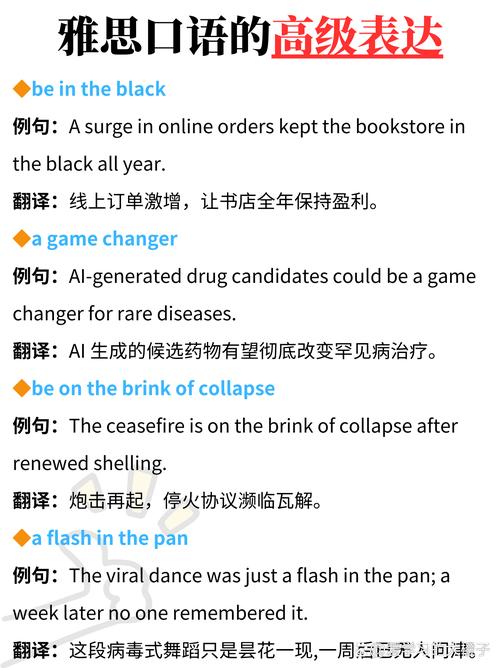
书籍的选择与基本描述
在选择书籍时,建议避免过于冷门或大众化的作品,优先考虑“有故事感”的书——无论是小说、传记还是散文,只要它与你的人生经历有交集,就能自然引出细节描述,可以是一本童年时期父母读给你听的绘本,一本青春期改变你价值观的小说,或是备考期间给予你力量的励志书籍,以《小王子》为例,这是一本全球知名的童话,但不同年龄段的读者会有截然不同的感悟,这种“多层次性”恰好能让回答更有深度。
在描述书籍基本信息时,需涵盖书名、作者、类型和核心主题。“The book I want to talk about is The Little Prince by Antoine de Saint-Exupéry. It’s a philosophical novella, often labeled as a children’s story, but actually explores profound themes about love, friendship, and the meaning of life through the journey of a young prince who leaves his tiny asteroid.” 这样的回答既清晰又展现了分类能力,符合雅思口语对“信息组织”的要求。
的细节展开
细节是雅思口语回答的灵魂,避免泛泛而谈“这本书很好看”,而是通过具体情节、人物或场景让描述生动起来,以《小王子》为例,可以聚焦某个经典章节:“One of the most memorable parts is the prince’s visit to the planet of the businessman, who spends all day counting stars because he ‘owns’ them. The prince asks him, ‘What do you do with the stars?’ and the businessman replies, ‘I own them, so I profit from them.’ This dialogue always makes me reflect on how adults often get trapped in materialism and forget the value of human connections.”
通过引用具体对话或情节,不仅能展示你对书籍的理解,还能自然过渡到个人感悟,可以加入感官细节,比如书籍的外观、阅读时的环境:“I still have the copy my mother gave me when I was 10. The cover has a faded illustration of the prince standing on his asteroid, and the pages are slightly yellowed. I used to read it under the old oak tree in our garden, where the wind would rustle the leaves and make the story feel alive.” 这样的描述能让考官“身临其境”,增强回答的感染力。
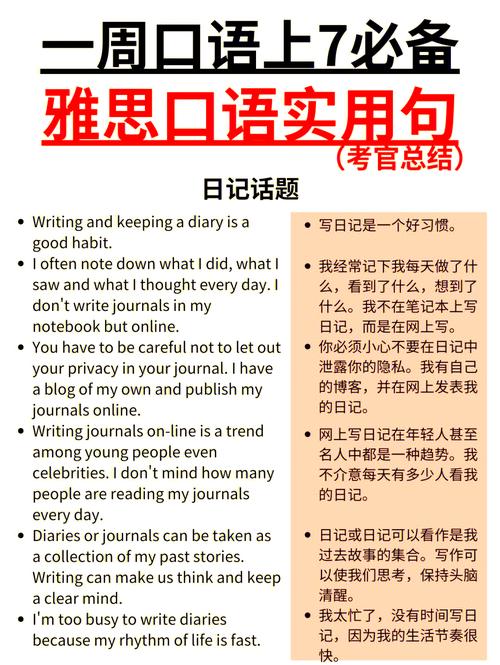
个人关联与情感价值
雅思口语的核心是“个人经历”,因此需要重点阐述这本书为何对你重要,可以从时间、情感、影响三个维度展开:
- 时间维度:何时第一次接触这本书?当时的年龄或生活状态是怎样的?“I first encountered The Little Prince when I was 10, right after my grandfather passed away. I felt lost and confused about death, and my mother handed me this book, saying, ‘Maybe the prince can help you understand.’”
- 情感维度:这本书如何触动你的情感?是让你开心、悲伤,还是引发思考?“The prince’s relationship with his rose made me cry for the first time. He says, ‘It is the time you have wasted for your rose that makes your rose so important.’ I realized then that love isn’t about perfection, but about the effort we put into caring for someone.”
- 影响维度:这本书是否改变了你的观念或行为?“After reading it, I started keeping a diary to record small moments with my family—like my dad teaching me to ride a bike, or my mom baking cookies on weekends. I stopped taking them for granted because I understood that ‘what is essential is invisible to the eye.’”
通过这样的逻辑链条,回答会形成“故事线”,既有情感起伏,又能体现思考深度。
语言表达与词汇运用
在雅思口语中,词汇的多样性和语法结构的复杂性直接影响评分,针对“a book”话题,可以积累以下分类词汇:
| 类别 | 词汇/短语 |
|---|---|
| 书籍类型 | philosophical novella, memoir, self-help book, science fiction, anthology |
| 阅读体验 | captivating, thought-provoking, heartwarming, immersive, life-changing |
| 情感表达 | resonate with me, hit home, bring back memories, shape my perspective |
| 主题描述 | explore the meaning of life, delve into human nature, reflect on society |
在描述书籍影响时,可以用更生动的表达替代简单的“I like it”:“This book left an indelible mark on me. It’s not just a story I read once and forgot; it’s a compass that guides me whenever I feel overwhelmed by trivialities.” 句式上,可以适当使用复合句或非谓语结构,“Having reread it every year since I was 10, I’ve noticed how my understanding of the prince’s journey evolves with age—what seemed like a simple tale about a lonely boy now feels a profound metaphor for growing up.”
常见误区与注意事项
- 避免“流水账”式描述:不要只复述书籍情节,而应将情节与个人感悟结合,与其详细列举小王子拜访的六个行星,不如聚焦某个星球的故事与你自身经历的关联。
- 拒绝“模板化回答”:不要使用“Everyone should read this book because it’s famous”这类空泛的表达,而是用具体事例说明它的独特价值。
- 控制时间节奏:雅思口语Part 2的答题时间为1-2分钟,需合理分配各部分时间(基本信息20秒,内容细节40秒,个人关联40秒,总结20秒),避免前松后紧。
相关问答FAQs
Q1: 如果我读过的书不多,雅思口语考试中被问到“a book”怎么办?
A1: 不必担心!雅思口语考察的是语言表达能力,而非阅读量,可以选择一本“间接接触”的书籍,比如通过电影、有声书或长辈讲述了解的作品,甚至可以是一本你小时候读过的绘本、学校课本里的选篇。“I haven’t read many novels, but there’s a children’s book called The Giving Tree that my teacher read to us in class. It’s a simple story about a tree and a boy, but the message about selfless love stuck with me.” 关键在于通过“有限信息”展开细节,比如描述某个情节、当时的课堂氛围,以及它如何让你学会分享,真诚的表达比“高大上”的书单更重要。
Q2: 如何在回答中避免语法错误,同时展现复杂句式?
A2: 语法错误和复杂句式的平衡需要通过“有意识练习”实现,建议先确保简单句的正确性(比如主谓一致、时态准确),再逐步添加从句或非谓语结构。
- 简单句:“I read The Little Prince when I was 10. It made me think about life.”
- 进阶版:“When I was 10, I read The Little Prince, which is a book that made me reflect on the true meaning of life.”
- 高阶版:“Having been introduced to The Little Prince by my mother at the age of 10, I found myself deeply moved by its portrayal of love and loss, themes that continue to resonate with me as I navigate the challenges of adolescence.”
练习时可以录音,回听检查是否有语法错误,同时注意句式的多样性,避免重复使用“and”“but”等简单连词,通过模仿优秀范文的结构,逐步将复杂句式内化为自然表达。