
In today's fast-paced and interconnected world, the ability to communicate effectively in English has become an indispensable skill, whether in academic settings, professional environments, or social interactions. A well-crafted welcome speech, in particular, serves as a powerful tool to establish rapport, set a positive tone, and create a sense of inclusivity for an audience. Whether you are hosting an international conference, welcoming new students to a university, or organizing a community event, the words you choose in your welcome can leave a lasting impression and shape the overall experience of the participants. This essay explores the key elements of an effective welcome speech in English, provides practical tips for its composition, and illustrates these principles with examples to help you master this essential form of communication.
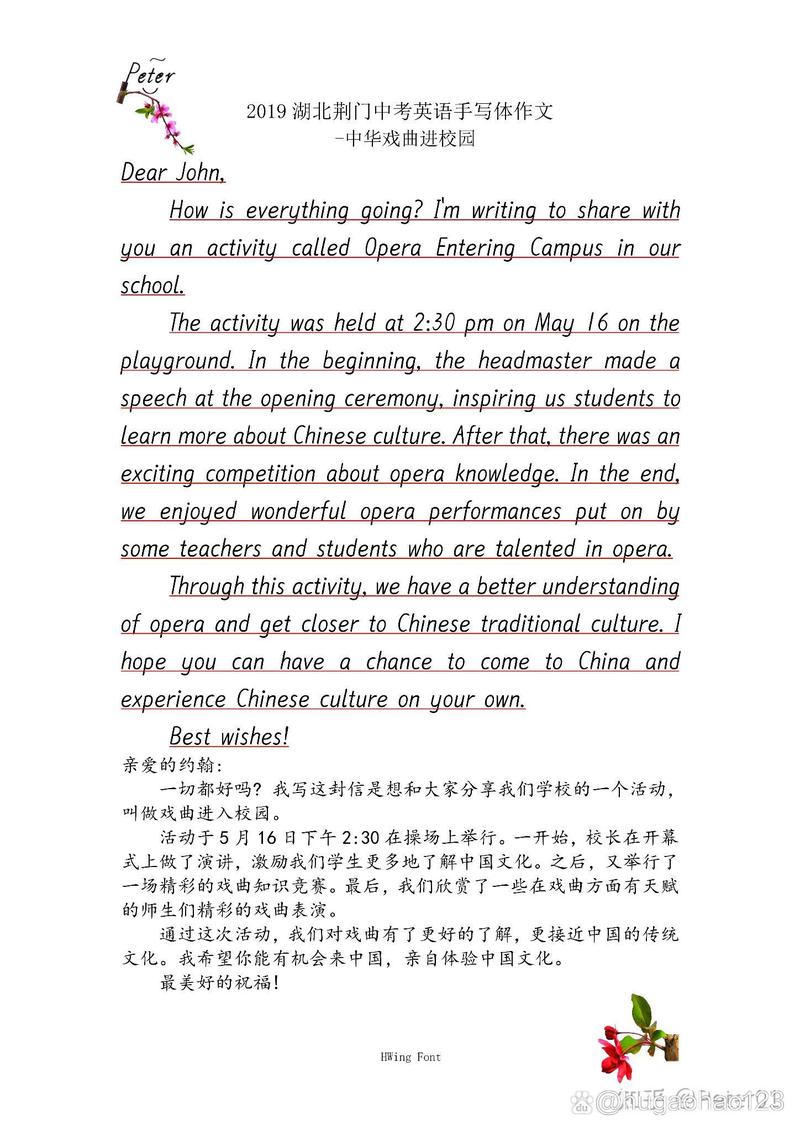
At its core, a welcome speech should convey warmth, hospitality, and a clear sense of purpose. The opening lines are crucial, as they immediately capture the audience's attention and set the tone for the rest of the address. A friendly greeting, such as "Good morning/afternoon/evening, everyone," followed by a sincere expression of delight at the audience's presence, helps establish a connection. For instance, "It gives me immense pleasure to welcome each and every one of you to this annual Global Business Summit. Your presence here today fills us with enthusiasm and optimism for the discussions ahead." This opening not only greets the audience but also highlights the significance of the event, making attendees feel valued and engaged.
Next, the speech should provide context about the occasion or event. This includes briefly explaining the purpose of the gathering, its theme, and its relevance to the audience. For example, if you are welcoming participants to a science fair, you might say, "Today, we gather to celebrate innovation, curiosity, and the pursuit of knowledge. This science fair is not just a competition but a platform for young minds to showcase their groundbreaking ideas and inspire one another." By clarifying the event's objectives, you help attendees understand why their participation matters and what they can expect from the experience. This section should be concise yet informative, avoiding unnecessary details that might dilute the message.
Another critical element of a welcome speech is acknowledging the diversity of the audience. In an increasingly globalized world, events often bring together people from different cultural, professional, and academic backgrounds. Recognizing this diversity fosters a sense of inclusivity and respect. For instance, "We are honored to have participants from over 30 countries, each bringing unique perspectives and experiences. This rich tapestry of cultures and ideas is what makes our event truly special and ensures that our discussions are both comprehensive and insightful." Such acknowledgments not only celebrate diversity but also emphasize the collective value that each participant contributes to the event.
Expressing gratitude is another essential component of a welcome speech. Taking a moment to thank attendees for their time, effort, and commitment reinforces their importance and encourages active participation. For example, "We extend our heartfelt gratitude to each of you for traveling near and far to be here today. Your dedication to [the event's theme] is commendable, and we are confident that your contributions will make this gathering a resounding success." Gratitude can also be directed toward sponsors, organizers, or volunteers who have played a role in making the event possible, as this recognition fosters a sense of community and shared purpose.

A well-structured welcome speech also includes a brief outline of the event's schedule or key activities. This helps attendees navigate the event smoothly and manage their expectations. For instance, "Over the next two days, you will have the opportunity to attend keynote speeches by industry leaders, participate in interactive workshops, and network with peers. We encourage you to make the most of these sessions and engage actively in the discussions." Providing a clear roadmap not only reduces confusion but also builds anticipation for the activities ahead, ensuring that attendees feel prepared and excited.
Finally, the speech should conclude with an uplifting and forward-looking statement that inspires enthusiasm and a sense of unity. This could be a call to action, a shared vision, or a motivational quote. For example, "As we embark on this journey of learning and collaboration, let us remember that the ideas we exchange and the connections we forge today have the potential to shape the future. Together, let us make this event a memorable and transformative experience." A strong closing leaves the audience with a positive impression and a sense of purpose, motivating them to engage fully in the event.
To further illustrate these principles, consider the following table outlining the key components of a welcome speech with corresponding examples:
| Component | Purpose | Example |
|---|---|---|
| Opening Greeting | Establish a friendly tone and capture attention. | "Good morning, everyone! It’s a joy to see so many bright faces here today." |
| Context | Explain the event's purpose and significance. | "We’ve gathered to explore the future of renewable energy and its role in combating climate change." |
| Acknowledgment | Recognize diversity and contributions of the audience. | "Thank you to our speakers, sponsors, and attendees for making this possible." |
| Gratitude | Express appreciation for the audience's participation. | "Your enthusiasm and expertise are what make this event truly special." |
| Schedule Overview | Provide a roadmap of the event's activities. | "Today’s sessions include workshops, panel discussions, and a networking lunch." |
| Closing | Inspire enthusiasm and leave a lasting impression. | "Let’s make today a stepping stone toward a sustainable future. Thank you!" |
In conclusion, crafting an effective welcome speech in English requires careful attention to structure, tone, and content. By focusing on creating a warm and inclusive atmosphere, providing clear context, acknowledging diversity, expressing gratitude, and offering a forward-looking conclusion, you can deliver a welcome speech that resonates with your audience and sets the stage for a successful event. The examples and guidelines outlined above serve as a valuable starting point, but remember to tailor your speech to the specific occasion and audience, ensuring authenticity and relevance. With practice and attention to detail, you can master the art of the welcome speech and make every gathering a memorable and meaningful experience.

FAQs
-
Q: How long should a welcome speech typically be?
A: A welcome speech should be concise and engaging, typically lasting between 3 to 5 minutes. This duration is long enough to cover key points such as greetings, context, gratitude, and a brief schedule overview, while short enough to maintain the audience's attention and avoid unnecessary details. Adjust the length based on the formality of the event and the audience's expectations. -
Q: What are some common mistakes to avoid in a welcome speech?
A: Common mistakes include being too lengthy or vague, failing to acknowledge the audience's diversity, using overly formal or complex language, and neglecting to express gratitude. Additionally, avoid focusing too much on yourself or the organizers; instead, highlight the audience's importance and the event's collective purpose. Always proofread your speech to ensure clarity and avoid errors that might detract from its impact.