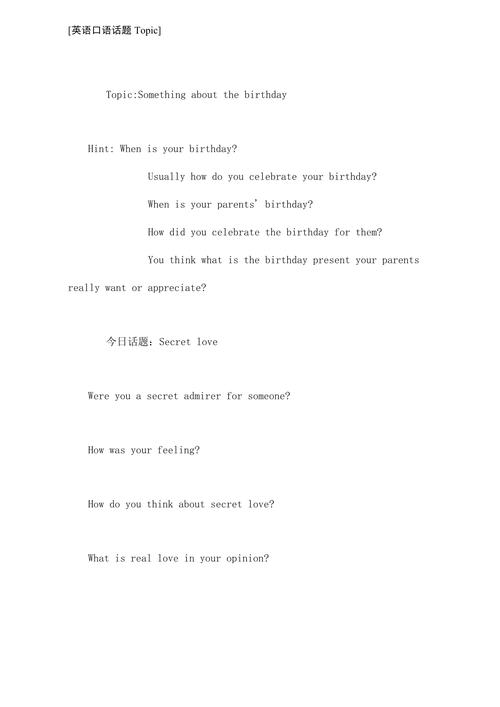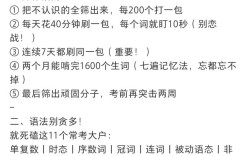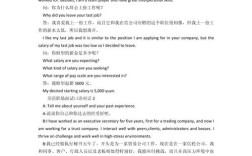
英语比赛中的英语口语问题往往是参赛者展现语言能力、思维深度和个人魅力的关键环节,这类问题通常涵盖自我介绍、个人经历、观点阐述、情景应对等多个维度,旨在全面考察选手的发音准确性、词汇丰富度、语法运用能力、逻辑表达水平以及临场应变能力,以下从常见问题类型、答题策略、注意事项及实例分析等方面展开详细说明。
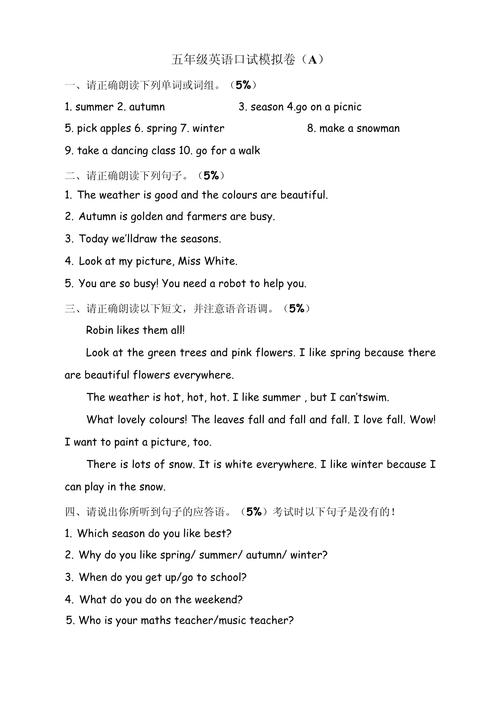
英语口语比赛常见问题类型及应对策略
自我介绍类问题
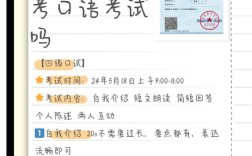
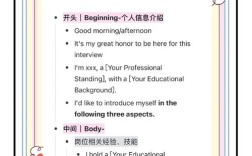
这类问题通常作为开场环节,要求选手在1-2分钟内简明扼要地介绍个人基本信息、兴趣爱好、特长或与比赛相关的经历。
- 核心要点:避免流水账,突出个人特色与比赛主题的关联性,若比赛主题是“环境保护”,可强调自身参与的环保活动或对此问题的看法。
- 实例:
“Good morning, judges. My name is Li Hua, a 17-year-old student from Beijing Sunshine High School. Beyond academics, I’m passionate about public speaking, which has not only improved my English fluency but also taught me how to articulate ideas clearly. Last year, I volunteered as an English tutor for underprivileged children, an experience that deepened my understanding of the power of language to bridge gaps. I’m thrilled to be here today, eager to share my voice and learn from fellow contestants.” - 策略:使用“过去-未来”结构,展现个人成长与对比赛的期待。
观点阐述类问题
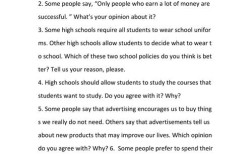
此类问题要求选手就社会热点、文化差异、科技发展等话题发表个人看法,如“Do you think social media brings people closer or farther apart?”
- 核心要点:观点明确,论据充分,逻辑清晰,可采用“总-分-总”结构,先表明立场,再从2-3个角度展开论述,最后总结。
- 实例:
“In my opinion, social media has both connected and alienated people, but its overall impact leans toward fostering connections. Firstly, it breaks geographical barriers—friends separated by oceans can interact daily through video calls. Secondly, it enables like-minded individuals to form communities, such as support groups for rare diseases. However, excessive use may lead to superficial interactions. Ultimately, it’s not the tool itself but how we use it that determines its effect.” - 策略:引用具体例子(如个人经历、社会事件)增强说服力,避免空泛议论。
情景应对类问题
考官可能设置模拟场景,如“Describe a time you overcame a challenge”或“Persuade someone to reduce plastic use”,考察选手的应变能力与语言组织能力。
- 核心要点:细节生动,情感真实,突出解决问题的过程与收获。
- 实例:
“Last year, our school’s debate team faced a crisis: two key members fell ill before the national competition. As the captain, I had to reorganize the team within three days. I stayed up late researching arguments, delegated tasks based on teammates’ strengths, and conducted daily mock debates. Though we initially struggled, we eventually won the ‘Best Team Spirit’ award. This experience taught me that resilience and teamwork can turn setbacks into opportunities.” - 策略:使用STAR法则(Situation, Task, Action, Result)构建叙事,使故事条理清晰。
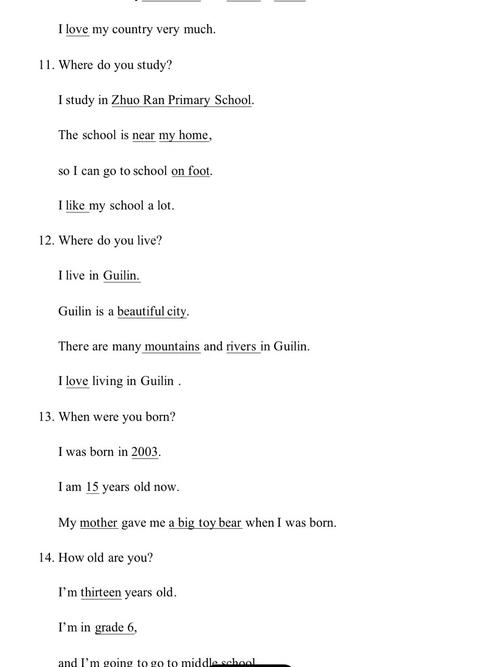
文化对比类问题
Compare Chinese and Western festivals”或“Describe a cultural tradition you admire”,考察跨文化理解能力。
- 核心要点:选择有代表性的文化元素,对比异同,避免刻板印象。
- 实例:
“Chinese Spring Festival and Christmas share similarities in family reunions and gift-giving, but they differ in symbolism. Spring Festival emphasizes ancestor worship and new beginnings, with red symbolizing luck, while Christmas focuses on religious celebration and charity. What fascinates me is how both traditions reflect core values: family and gratitude. In fact, I’ve noticed young Chinese now blend elements of both, like exchanging red envelopes during Christmas, showing cultural fusion.” - 策略:结合个人观察或体验,体现文化包容性。
答题技巧与注意事项
-
语言表达
- 发音与语调:注意元音饱满、辅音清晰,通过升降调表达情感,避免 monotone。
- 词汇与语法:适当使用高级词汇(如用“dilemma”代替“problem”)和复杂句型(定语从句、倒装句),但需确保准确性,避免因追求华丽而出现错误。
- 流利度:合理使用连接词(However, Furthermore, In contrast),保持语意连贯,若卡壳可短暂停顿,避免频繁使用“um”。 组织**
- 逻辑结构:无论是回答问题还是即兴演讲,都需有明确的开头、主体和结尾,主体部分可采用“论点+例证+分析”的模式。
- 时间控制:根据比赛要求分配时间,一般1分钟回答控制在120-150词,2分钟回答250-300词,提前练习计时。
-
临场应变
- 听清问题:若未听清,可礼貌请求重复(“Could you please rephrase the question?”)。
- 灵活应对:遇到陌生话题,可从普遍经验切入,如“I may not be an expert, but based on my observation...”。
常见问题与改进方向
| 问题类型 | 常见错误 | 改进建议 |
|---|---|---|
| 自我介绍 | 内容冗长,缺乏重点 | 提前撰写并精简至3-4个核心亮点 |
| 观点阐述 | 观点模糊,论据单一 | 列提纲确保论点明确,准备2-3个例子 |
| 情景描述 | 叙事混乱,情感平淡 | 用细节描写(如感官体验)增强感染力 |
| 文化对比 | 泛泛而谈,缺乏深度 | 结合历史背景或现代案例进行分析 |
相关问答FAQs
Q1: 如何在英语口语比赛中克服紧张情绪?
A1: 紧张是正常现象,可通过以下方法缓解:① 提前模拟比赛场景,对着镜子或录像练习,熟悉表达流程;② 深呼吸法(吸气4秒,屏息2秒,呼气6秒)降低心率;③ 将评委视为“交流对象”而非“审判者”,专注于分享内容而非表现;④ 赛前充分准备,对常见话题形成思路框架,增强自信。
Q2: 即兴演讲时突然忘记内容怎么办?
A2: 遇到这种情况可采取以下策略:① 短暂停顿:用“Well...”或“Let me think...”争取思考时间,避免慌乱;② 话题转换:若忘记具体细节,可过渡到相关观点,如“Actually, this reminds me of another similar example...”;③ 总结先行:若无法展开,先说结论再补充原因,如“The key point here is... and the reasons include...”;④ 诚实应对:可坦诚表示“Sorry, I need a moment to organize my thoughts”,评委通常理解并欣赏选手的真诚,赛后可反思是否因结构不清晰导致卡顿,未来练习时加强逻辑框架训练。