在雅思口语考试中,“forget”是一个高频且实用的词汇,它不仅出现在日常话题中,也可能在描述经历、解释观点时派上用场,掌握与“forget”相关的表达、用法以及如何在口语中自然运用,能有效提升回答的流畅度和丰富性,以下将从词汇拓展、场景应用、常见错误及备考建议等方面展开详细说明。
“forget”的核心用法与词汇拓展
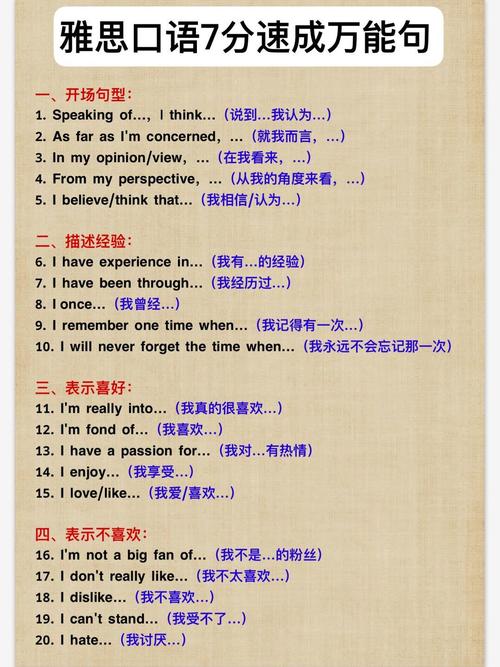
“forget”作为基础动词,其核心含义是“忘记”,但在口语中,仅使用“forget”可能会显得表达单一,结合不同的语境和搭配,可以衍生出更精准、生动的表达。
基础用法与搭配
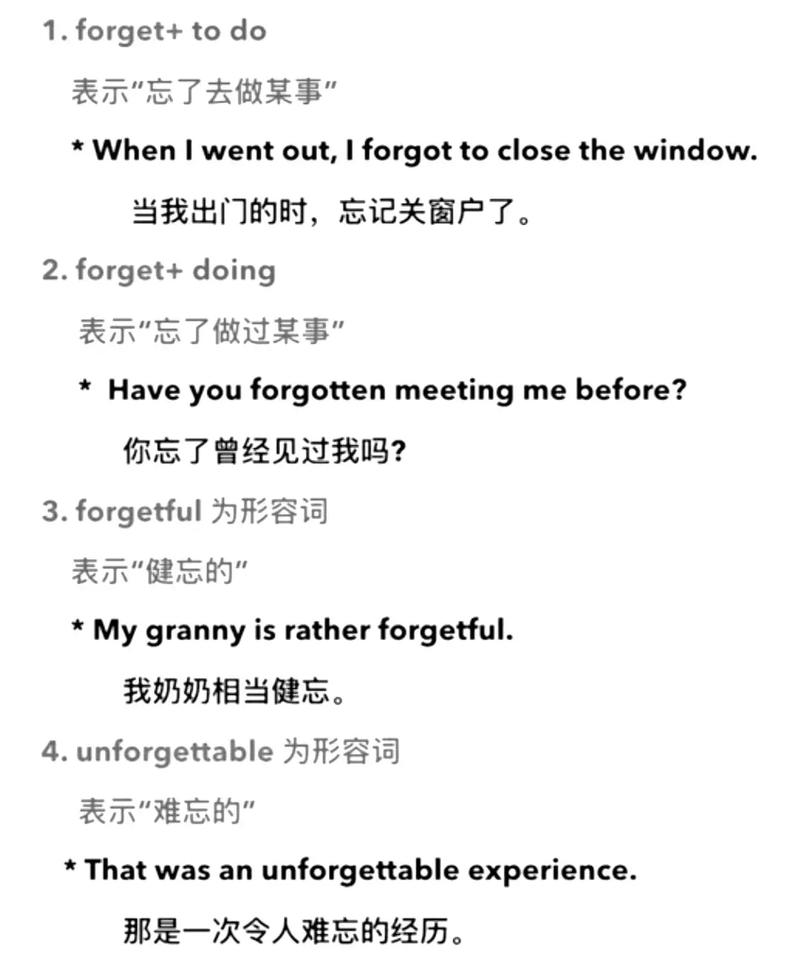
- forget to do sth:忘记要做某事(未完成动作)
例:I forgot to lock the door this morning, so I had to go back and check. - forget doing sth:忘记做过某事(已完成动作)
例:I’ll never forget seeing the Eiffel Tower for the first time—it was breathtaking. - forget about sb/sth:忘记某人/某事;不再把……放在心上
例:Don’t worry about the mistake; let’s forget about it and move on.
丰富表达的近义词与短语
为了避免重复,可以用更具体的词汇替代“forget”,尤其在描述不同“忘记”程度或场景时:
- Can’t recall:想不起来(中性,稍正式)
例:I can’t recall her name, but I remember her face. - Slip my mind:一时想不起来(口语化,强调“疏忽”)
例:Sorry, our meeting completely slipped my mind—was it yesterday? - Draw a blank:大脑一片空白(突然忘记)
例:When the teacher asked me the question, I just drew a blank. - Memory fails me:记不清了(委婉表达“记不住”)
例:I’m not sure about the year; my memory fails me on that detail. - Omit:遗漏(有意或无意忘记包含某信息)
例:In my essay, I accidentally omitted a key point from the argument.
“forget”在雅思口语各部分的场景应用
雅思口语分为三个部分,每个部分的“forget”应用场景和表达重点有所不同,需针对性准备。
Part 1:日常话题中的自然运用
Part 1围绕个人生活展开,问题如“Do you often forget things?”“What do you usually forget?”等,需用简单句结合真实经历回答。
- 回答示例:
“Yes, I’m quite forgetful in daily life! For example, I often forget to bring my umbrella when the weather forecast says it might rain. Last week, I forgot to charge my phone, so the battery died halfway through the day. But I rarely forget important dates, like my family’s birthdays—I always mark them on my calendar.” - 技巧:用具体小事(如忘带伞、忘充电)体现真实性,结合“but”转折补充例外情况,展现逻辑。
Part 2:描述经历时的细节补充
Part 2要求就特定话题(如“一次难忘的经历”“一次失误”)讲述1-2分钟,“forget”可用于描述事件中的失误或转折点。
- 话题示例:Describe a time you made a mistake.
- 运用“forget”:
“Once, I was supposed to bring homemade cookies to a school bake sale, but I completely forgot to put them in my bag that morning. I only realized when I arrived at the venue and saw everyone setting up their treats. I felt so embarrassed! Luckily, my friend shared her extra cookies with me, and I helped her sell them instead. It taught me to always double-check what I need before leaving home.”
- 运用“forget”:
- 技巧:用“forget”制造小冲突,通过后续解决方式体现积极反思,符合雅思“故事+感悟”的评分要求。
Part 3:抽象讨论中的深度表达
Part 3涉及社会现象、观点分析,“forget”可用于探讨科技对记忆的影响、文化传承等抽象话题。
- 问题示例:Do you think technology makes people forget things more easily?
- 运用“forget”:
“Yes, I believe so. With smartphones and apps that store contacts, schedules, and even directions, people no longer need to memorize things as they used to. For instance, I used to remember my friends’ phone numbers by heart, but now I just save them in my phone and often forget the numbers instantly. However, this isn’t entirely negative—it might free up mental space for more creative or complex thinking.”
- 运用“forget”:
- 技巧:结合“technology”“memory”等关键词,用“forget”对比过去与现在,展现辩证思维。
使用“forget”时的常见错误与规避
-
混淆“forget to do”与“forget doing”
- 错误例句:I forgot locking the door.(实际想表达“忘记锁门”这一未完成的动作)
- 正确表达:I forgot to lock the door.
- 区分技巧:“to do”指向未来/未做的事,“doing”指向过去/已做的事,可通过动作是否完成判断。
-
过度使用“forget”,缺乏词汇多样性
 (图片来源网络,侵删)
- 问题:连续用“I forgot...”开头,显得单调。
- 改进:替换为“slip my mind”“draw a blank”等。
- 例:Instead of “I forgot to buy milk,” say “Buying milk slipped my mind.”
-
忽略语境的正式程度
在Part 3等较正式讨论中,避免过于口语化的“my mind went blank”,可用“I couldn’t recall the information”替代。
备考建议:如何高效掌握“forget”相关表达
- 场景化记忆:将“forget”及其搭配与具体场景绑定(如“忘带钥匙”=forget to take the keys,“忘掉烦恼”=forget about worries),避免死记硬背。
- 模拟练习:针对Part 1-3的不同话题,用“forget”造句并录音,回听检查语法自然度。
- 积累地道表达:通过英剧、电影(如《老友记》)中“forget”的台词,学习口语化用法,如“Don’t forget me!”(别忘了我!)或“I’ll never forget this.”(我永远不会忘记。)
相关问答FAQs
Q1: 雅思口语中,如果突然忘记要说的单词或句子,可以用“forget”吗?如何自然表达?
A: 可以,当大脑“卡壳”时,“forget”是实用的救命词。“Sorry, I just forgot the word for...”(抱歉,我刚才忘记……这个词了)或“What’s the word... oh, I can’t recall it now.”(那个词叫什么……哦,我现在想不起来了),关键是配合“sorry”“oh”等语气词,显得自然而非刻意,同时可尝试用简单词汇解释替代(如“a thing for keeping food cold”代替“refrigerator”),避免长时间沉默。
Q2: 如何在Part 2故事中避免“忘记关键情节”导致回答不完整?
A: 若担心忘记故事细节,可采用“记忆锚点法”:先确定3-5个关键元素(时间、地点、人物、事件、结果),用“forget”串联其中一个小失误(如“忘记带某物”“忘记约定”),既能体现词汇运用,又能通过“补救措施”或“感悟”拓展内容,即使忘记原计划的具体日期,也可说“I can’t remember the exact date, but it was a rainy Sunday when I...”(不记得具体日期了,但那是一个下雨的周日,我当时……),确保故事连贯。