在雅思口语备考中,“monkey”这个词往往被考生简单理解为“猴子”,但实际上它在口语表达中可以延伸出丰富的语境和应用,无论是作为具体词汇、文化符号还是比喻意象,都能成为展现语言灵活性和文化深度的亮点,以下从多个维度解析“monkey”在雅思口语中的潜在价值,并结合实际场景提供应用建议。
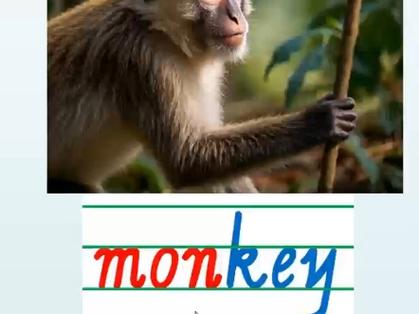
“monkey”作为基础词汇的精准应用
在雅思口语Part 1的日常话题中,“monkey”可能出现在“动物”“宠物”“童年回忆”等类别,考生需掌握其核心释义与常见搭配,避免基础错误。
- 名词用法:指“猴子”这一动物,可描述其外貌(如“long tail”“fur-covered body”)、习性(如“arboreal”“social animals”)。
- 动词短语:如“monkey around”(胡闹、捣乱),在描述朋友互动或童年趣事时可用:“My cousin and I used to monkey around in the garden when we were kids.”
- 文化相关表达:如“monkey business”(捣蛋行为、不正当勾当),需注意语境的正式程度,避免在学术讨论中使用。
示例回答(Part 1话题“Describe an animal you like”):
“I’m quite fond of monkeys because they remind me of my childhood. I remember visiting a zoo where a group of monkeys were swinging from trees and even stealing snacks from visitors. They looked so mischievous yet intelligent. In Chinese culture, monkeys are also symbols of cleverness, like the character Sun Wukong in Journey to the West, who is known for his wit and agility.”
“monkey”在Part 2话题中的拓展与串联
雅思口语Part 2要求考生就特定话题展开叙述,“monkey”可作为核心元素串联故事线,展现逻辑连贯性与细节描写能力,常见话题方向包括“一次有趣的经历”“一件难忘的礼物”“一个你了解的动物”等。
以“Describe a gift you received”为例:
“Last year, my friend gave me a handmade monkey doll as a birthday gift. It wasn’t just an ordinary doll—its fabric was made from recycled materials, and the stitching was so detailed that you could even see the tiny wrinkles on its face. What made it special was that my friend had embroidered a small banana on its palm, referencing a joke we shared about monkeys loving bananas. I still keep it on my desk, and whenever I feel stressed, I look at it and smile. This gift taught me that the thought behind a present matters more than its value.”
高分技巧:
- 细节描写:从外观(材质、颜色、特征)到情感意义(回忆、象征)逐层展开。
- 情感联结:将“monkey”与个人经历、文化背景结合,避免单纯描述物品。
- 时态与语法:灵活运用过去时(描述收到礼物)、现在时(现状描述)、虚拟语气(假设没有这个礼物会怎样)。
“monkey”在Part 3深度讨论中的文化与社会隐喻
Part 3要求考生就抽象观点发表看法,“monkey”可引申至文化差异、人类行为、环境保护等议题,体现思辨能力。
- 文化对比:在西方文化中,“monkey”可能带有贬义(如“make a monkey of someone”使某人出丑),而在中国文化中,孙悟空的形象则正面积极,考生可借此讨论语言与文化的关系:“The different connotations of ‘monkey’ in cultures reflect how values shape language interpretation.”
- 人类行为反思:用“monkey see, monkey do”(模仿他人行为)讨论社会影响:“In the age of social media, people often monkey see, monkey do, copying trends without critical thinking, which can lead to a loss of individuality.”
- 环保议题:结合猴子栖息地破坏问题:“Deforestation not only threatens monkeys’ survival but also disrupts the ecosystem, reminding us of the interconnectedness of all species.”
“monkey”相关表达易错点与避坑指南
| 错误类型 | 示例 | 正确表达 | 说明 |
|---|---|---|---|
| 望文生义 | “He’s a monkey”指他像猴子一样瘦 | 避免直接用动物比喻人,可能冒犯 | 英语中“monkey”用于人时多含贬义,慎用 |
| 搭配错误 | “monkey the work”(捣乱工作) | “monkey around with work”(马虎工作) | 动词短语需固定搭配 |
| 文化差异 | “猴子精”直译为“monkey spirit” | “clever and mischievous person” | 中文文化负载词需意译 |
备考建议:如何高效掌握“monkey”相关表达
- 场景分类记忆:将“monkey”按“动物描述”“童年趣事”“文化符号”“行为比喻”等场景整理,搭配例句背诵。
- 口语替换练习:用“monkey”拓展同义表达,如“mischievous”可替换为“like a monkey playing tricks”。
- 真题模拟:针对Part 2话题“Describe a time you saw an animal”,用“monkey”为核心设计故事框架,练习流利度。
相关问答FAQs
Q1: 在雅思口语中提到“monkey”是否需要解释文化背景?
A1: 不必刻意解释,但可通过上下文自然融入,例如提到孙悟空时,可简单说明“a famous monkey king in Chinese mythology known for his bravery”,既展示文化知识,又避免冗长解释。
Q2: 如果对“monkey”的引申义不熟悉,是否应该避免使用?
A2: 建议优先使用基础含义,确保准确性,若想尝试引申义,可通过简单例子降低风险,如用“monkey around”时补充“meaning to play around jokingly”,考官能理解语境即可。