在雅思口语考试中,当话题涉及“clothes”(衣物)时,考生需要围绕日常穿着、服装文化、个人偏好等多个维度展开论述,既要体现词汇丰富性,也要展现逻辑连贯性和观点深度,以下将从不同角度详细解析如何应对这一话题,并提供实用表达和范例。

描述日常穿着与服装偏好
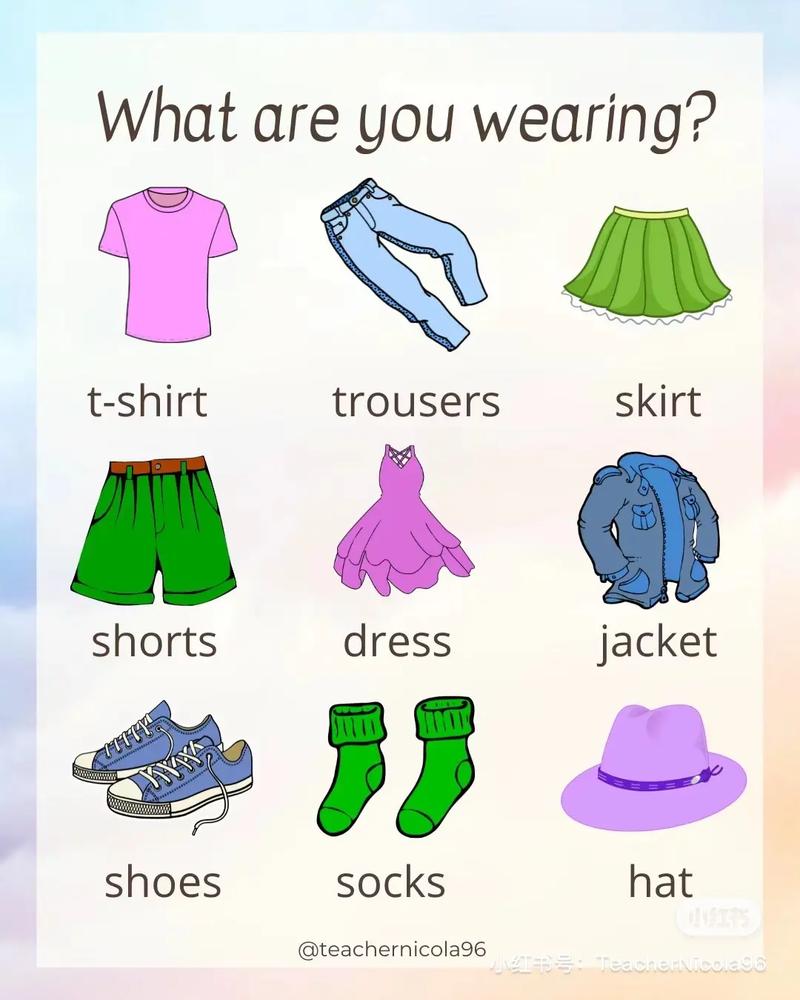
在雅思口语Part 1中,考官常会询问日常穿着习惯,如“What do you usually wear?”“Do you like comfortable clothes or fashionable clothes?”等,回答时需结合具体场景,避免泛泛而谈,可以分场合描述:日常通勤偏好简约舒适的衣物,如棉质T恤、牛仔裤和运动鞋;而周末或社交场合可能会选择更具设计感的单品,如连衣裙、休闲西装等。
词汇拓展:
- 材质:cotton(棉质),linen(亚麻),wool(羊毛),synthetic(合成纤维),breathable(透气的)
- 风格:casual(休闲的),formal(正式的),vintage(复古的),streetwear(街头风),minimalist(极简主义的)
- 单品:hoodie(连帽衫),blazer(西装外套),leggings(紧身裤),cardigan(开衫),overalls(背带裤)
范例回答:
“Usually, I opt for casual and comfortable clothes in my daily life. For work, I often wear a white cotton shirt paired with black trousers and leather shoes, which makes me look professional yet relaxed. On weekends, I’d rather put on a loose hoodie and jeans, especially when I’m meeting friends or going to the gym. I prioritize comfort, but I also like to add small accessories, like a silver necklace or a colorful scarf, to make my outfit more stylish.”
探讨服装文化与场合着装
服装不仅是蔽体工具,更是文化和社会身份的载体,在Part 2或Part 3中,考官可能要求描述“一件重要的衣物”“传统服装”或“不同场合的着装差异”,此时需结合文化背景,例如中国传统服饰“旗袍”(qipao)或“中山装”(Mao suit),可从设计特点(如立领、盘扣)、象征意义(女性优雅、男性庄重)及现代演变等角度展开。
场合着装要点:
- 正式场合(婚礼、商务会议):suit(西装),evening gown(晚礼服),tie(领带),high heels(高跟鞋)
- 半正式场合(派对、餐厅):blouse(女式衬衫),chinos(卡其裤),dress shoes(正装皮鞋)
- 休闲场合(购物、运动):T-shirt,sneakers(运动鞋),shorts(短裤),flip-flops(人字拖)
范例(描述传统服装):
“I’d like to talk about the cheongsam, a traditional Chinese costume. It’s a close-fitting dress with a high collar and side slits, usually made of silk or satin. The cheongsam perfectly accentuates the female body curves, symbolizing elegance and grace. In the past, women wore it on important occasions like weddings or festivals, but nowadays, it’s often seen in cultural events or fashion shows. I remember my grandmother wore a red cheongsam at my cousin’s wedding, and she looked absolutely stunning. For me, the cheongsam is not just clothing; it represents Chinese cultural heritage and feminine beauty.”
分析服装选择与个人价值观
服装选择能反映个人性格、价值观甚至生活态度,环保主义者可能偏爱可持续材质(organic cotton,recycled polyester)或二手衣物;追求个性的人可能拒绝快时尚(fast fashion),选择小众设计师品牌,在口语表达中,可结合自身经历,说明服装选择背后的逻辑。
相关词汇:
- 快时尚:fast fashion,trendy(时尚的),disposable(一次性的)
- 可持续时尚:sustainable fashion,eco-friendly(环保的),thrift store(二手店)
- 个性表达:unique(独特的),statement piece(焦点单品),mix and match(混搭)
范例回答:
“I think clothes can reflect a person’s values. For instance, I used to follow fast fashion trends and bought lots of cheap and trendy clothes. But after I learned about the environmental impact of the fashion industry—like water pollution and textile waste—I changed my habits. Now I prefer buying high-quality, durable clothes from sustainable brands, or I visit thrift stores to find unique pieces. I also try to repair my old clothes instead of throwing them away. To me, this is not just about saving money, but about taking responsibility for the environment. So my clothing choices now reflect my belief in sustainability.”
服装与情感记忆的关联
衣物往往承载着情感记忆,如“母亲织的毛衣”“第一次穿的正装”等,这类话题适合在Part 2“Describe an item of clothing you have”中展开,通过细节描写(颜色、材质、触感)和情感表达,让回答更具感染力。
范例:
“The most memorable piece of clothing I own is a blue knitted sweater my mother made for me when I was in high school. It’s made of soft wool, with a simple V-neck and small cable patterns on the sleeves. I still remember the smell of wool and the warmth of her hands while she was knitting it. I wore it almost every day in winter during my final exams because it made me feel safe and loved. Even though it’s a bit old now and has a small hole under the arm, I still keep it in my wardrobe. Whenever I see it, I think of my mother and those stressful but happy days before college. It’s not just a sweater; it’s a symbol of our family bond.”
服装行业的趋势与未来
在Part 3的深度讨论中,考官可能涉及服装行业的发展,如“快时尚的利弊”“线上购物对实体店的影响”或“未来服装的科技感”,此时需展现辩证思维,既肯定积极趋势(如科技提升购物体验),也指出问题(如环保压力),并提出合理建议。
行业趋势关键词:
- 科技:smart clothes(智能服装),AR fitting room(AR试衣间),3D printing(3D打印)
- 消费模式:online shopping(线上购物),subscription box(订阅盒子),customization(定制化)
- 挑战:overproduction(过度生产),labor issues(劳工问题),cultural appropriation(文化挪用)
范例回答:
“I think the fashion industry is undergoing significant changes due to technology and consumer awareness. On the positive side, online shopping and AR fitting rooms have made it more convenient for people to buy clothes without leaving home. Also, 3D printing technology allows for more sustainable and customized production, reducing waste. However, fast fashion still poses serious problems, like environmental damage and poor working conditions in factories. In the future, I believe the industry will shift towards sustainability—more brands will use recycled materials, and consumers will prioritize quality over quantity. Additionally, smart clothes with features like temperature regulation or health monitoring might become popular. But to achieve this, both companies and consumers need to make efforts: brands should invest in eco-friendly practices, and people should be more mindful of their shopping habits.”
不同年龄段的服装选择差异
服装偏好因年龄阶段而异,这也是一个可展开的角度,儿童服装注重舒适和安全;青少年追求个性与潮流;成年人更注重场合与品质;老年人则偏好宽松、易穿脱的款式,结合具体例子,如“我弟弟喜欢动漫图案的T恤,而我父亲只穿纯棉的衬衫”,能让回答更生动。
服装与社交印象
在社交场合,服装是“无声的语言”,直接影响他人对第一印象的形成,面试时穿着得体可展现专业态度;派对上穿着独特能留下深刻记忆,可引用心理学概念(如“enclothed cognition”,即衣物影响思维和行为的理论),增强回答的学术性。
相关问答FAQs
Q1: 雅思口语中描述服装时,如何避免词汇重复?
A1: 可通过同义替换、具体化描述和场景化表达来丰富词汇,描述“衣服”时,根据不同情境用“garment”“outfit”“attire”“piece”等词;“好看”可替换为“stylish”“elegant”“trendy”“well-fitted”;“舒服”可用“cozy”“comfy”“breathable”“soft”,结合细节,如“a pastel-colored blouse with lace trim”(带蕾丝边的淡色女式衬衫)比“a beautiful blouse”更具体,也能避免重复。
Q2: 如何在服装话题中展现语法复杂性和逻辑连接?
A2: 可使用复合句、非谓语动词、状语从句等结构,并添加逻辑连接词。“While I used to prioritize fast fashion because of its affordability and variety, I have recently shifted towards sustainable clothing, not only due to environmental concerns but also because I prefer investing in durable pieces that last longer.”(虽然我曾因价格实惠和款式多样而优先选择快时尚,但最近转向了可持续服装,不仅出于环保考虑,也因为更愿意投资耐穿的单品。)此句包含while引导的让步状语从句、not only...but also...并列结构,以及because of/due to原因状语,展现了语法复杂性和逻辑层次。