雅思口语中提到“自行车旅行”是一个能展现个人经历和观点的好话题,既能描述具体经历,也能探讨旅行意义,还能延伸到环保、健康等社会议题,以下从常见问题角度展开,帮助构建890字左右的详细回答,并附相关FAQs。
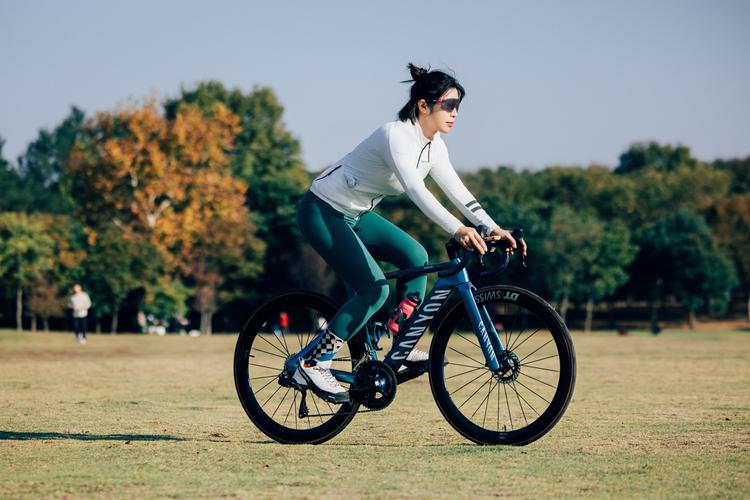
在雅思口语Part 1被问到“Do you like traveling by bike?”时,可以从个人体验切入,用具体细节让回答更生动。“Yes, absolutely! I find cycling trips incredibly liberating. Unlike cars or buses, you feel the wind, notice every little change in the scenery—from the color of wildflowers to the sound of a distant stream. It’s not just about reaching a destination; it’s about the journey itself. Last summer, I cycled from my hometown to a nearby coastal town, about 50 kilometers away. I packed light: a tent, some snacks, and a water bottle. Halfway through, I got caught in a sudden rainstorm, but instead of feeling frustrated, I pulled over under a big tree, watched the raindrops dance on the leaves, and even met a local farmer who offered me hot tea. That small chat and the warm tea in the rain made the whole trip memorable. It’s these unexpected moments that make bike travel special.” 这里通过“liberating”“feel the wind”“notice every little change”等词汇描述感受,用具体事例(50公里骑行、遇雨、遇 farmer)增强真实感,符合雅思口语“具体+细节+个人感受”的评分要点。
如果Part 2要求描述一次难忘的自行车旅行,可以按“背景-准备-经历-感受”的结构展开。“I’d like to talk about the bike trip I took with my college friend two years ago. We decided to cycle through the countryside of Zhejiang Province, a route known for its ancient villages and tea plantations. We spent a month planning: we studied maps, marked our stops each day (usually 30-40 kilometers to avoid exhaustion), and even booked a few guesthouses in advance, but left some days open for spontaneous detours. The first few days were tough—my legs ached, and we got lost twice because we followed a wrong sign. But the scenery made up for it: we rode through emerald-green rice fields, passed farmers working in the fields, and stopped at a small village where an old lady taught us how to make bamboo rice. She used bamboo tubes as pots, cooked rice with fresh bamboo shoots, and it was the most delicious rice I’d ever had. On the fifth day, we climbed a steep hill to a viewpoint, and when we reached the top, the sun was setting over the mountains, painting the sky in orange and pink. We sat there for an hour, not saying much, just taking it all in. That trip taught me that the best experiences often come when you step out of your comfort zone. Getting lost led us to a hidden village, and the tiredness made that sunset view even more precious. Now, whenever I feel stressed, I think of that hilltop sunset and remember how good it feels to move forward slowly, at your own pace.” 这里结构清晰,包含准备阶段的细节(研究地图、标记距离)、遇到的困难(腿酸、迷路)、难忘的经历(学做竹筒饭、山顶日落),以及感悟(走出舒适区、慢下来的美好),符合雅思口语“逻辑连贯+细节丰富+情感表达”的要求。
Part 3可能会深入探讨,Why do you think bike travel is becoming more popular?”这时可以从环保、健康、经济等多角度分析:“I think there are several reasons. First, environmental awareness is growing. People are more concerned about carbon footprints, and cycling produces zero emissions, making it an eco-friendly choice. Second, it’s a healthy way to travel. Unlike sitting in a car or plane for hours, cycling exercises your body, improves cardiovascular health, and boosts mood—endorphins from cycling make you feel happier. Third, it’s budget-friendly. You don’t need to spend money on gas or tickets, and you can even camp or stay in hostels to save on accommodation. Also, bike travel allows for flexibility. You can stop wherever you want—if you see a beautiful lake, you can park your bike and spend an hour there; if a village looks interesting, you can explore it without worrying about a schedule. This freedom is something mass travel like package tours can’t offer. Finally, it connects you more deeply with the place. When you cycle, you’re at the same level as locals—you can smell the bread from a bakery, hear children laughing in the streets, and feel the texture of old cobblestone roads. These sensory experiences make the travel more meaningful.” 这里从环保、健康、经济、灵活性、沉浸式体验五个角度展开,每个角度都有具体解释,用“first, second, third”等连接词增强逻辑性,展现辩证思维。
为了更直观对比自行车旅行与其他旅行方式的特点,可以用表格呈现:
| 旅行方式 | 环保性 | 健康效益 | 灵活性 | 成本 | 沉浸式体验 |
|---|---|---|---|---|---|
| 自行车旅行 | 零排放,低碳 | 高强度有氧运动,全身锻炼 | 极高,可随时停靠 | 低(仅需维护费、基本物资) | 深度,多感官体验 |
| 自驾旅行 | 中高(新能源车更低) | 久坐,易疲劳 | 中等(受路线限制) | 高(油费、过路费、停车费) | 中等(车内视角受限) |
| 公共交通 | 中(集体碳排放低) | 低(久坐、拥挤) | 低(固定站点、时刻表) | 中(票价+换乘成本) | 低(与当地互动少) |
雅思口语中讨论自行车旅行时,还可以结合社会热点,Do you think governments should encourage bike travel?”这时可以提出具体建议:“Yes, definitely. Governments can take practical steps to promote it. For example, building more dedicated bike lanes is crucial—many people don’t cycle because they feel unsafe sharing roads with cars. In my city, the government has been expanding bike lanes along the river, and I’ve noticed more cyclists recently. They could also provide bike-sharing services with better coverage, especially in suburban areas. Another idea is organizing bike-friendly events, like group cycling tours on weekends or competitions, which can make it more social and appealing. Additionally, offering incentives, like tax breaks for people who buy bikes or discounts at bike repair shops, could encourage more people to try. Education is important too—teaching kids bike safety in schools and promoting bike travel as a healthy lifestyle through media. These measures wouldn’t just benefit individuals; they’d reduce traffic congestion, improve air quality, and make cities more livable.” 这里提出具体措施(修建自行车道、完善共享单车、举办活动、提供激励、教育),并说明对个人和社会的双重好处,展现社会责任感和批判性思维。
相关问答FAQs
Q1: 雅思口语描述自行车旅行时,如何避免内容过于笼统?
A1: 避免笼统的关键是加入“具体细节+个人感受”,比如不说“骑行很累”,而说“My thighs were burning after climbing the first hill, and I had to stop three times to catch my breath, but each time I looked up, the view of the valley below made me push through”,不用泛泛而谈“风景很美”,而是描述“Sunlight filtered through the maple leaves, casting dappled shadows on the road, and a cool breeze carried the scent of damp earth and wildflowers”,细节越具体(如身体感受、环境细节、对话内容),回答越真实生动,也更容易展示词汇量和语法多样性。
Q2: 如果没有自行车旅行经历,雅思口语中如何回答相关问题?
A2: 即使没有亲身经历,也可以通过“合理想象+通用场景”构建回答,比如描述一次“计划中的骑行”,可以说:“I haven’t had a long-distance bike trip yet, but I often imagine cycling through the countryside near my city. I’d start early in the morning, ride along the river, stop at a small café for breakfast, and then continue to a historical town. I think the best part would be exploring the narrow lanes and talking to local shop owners—they always have stories about the town’s history. Even though it’s not real, this imagination helps me think about what makes bike travel special: the slow pace, the connection with nature, and the chance to discover hidden gems.” 或者用“短途骑行”作为例子,I sometimes cycle to the park on weekends, which isn’t a long trip, but I love how I can notice the changes in the park—new flowers blooming, ducks swimming in the lake, and children playing. It makes me feel relaxed and close to nature.” 关键是让内容合理、有逻辑,并融入个人感受,避免编造过于离奇的经历。