在雅思口语考试中,谈及“幸福的婚姻”这一话题时,考生可以从婚姻的定义、幸福婚姻的核心要素、个人观点以及文化差异等多个维度展开,通过具体例子和细节描述来展现语言能力和逻辑思维,幸福的婚姻并非简单的法律契约,而是两个人基于深厚情感、相互尊重与共同成长的长期承诺,其核心要素包括有效沟通、共同价值观、情感支持、责任分担以及个人空间等,以下将从这些方面展开详细分析,并结合雅思口语的答题思路提供参考内容。
有效沟通是幸福婚姻的基石,在雅思口语中,考生可以举例说明沟通的重要性,“In a happy marriage, couples often communicate openly and honestly. For instance, my aunt and uncle have been married for 20 years, and they make time to talk about their daily experiences, even small things like work stress or family news. This helps them understand each other’s feelings and resolve conflicts before they escalate.” 这样的回答既具体又自然,符合雅思口语“细节支撑观点”的要求,沟通不仅是语言上的交流,更包括倾听和共情,当一方遇到困难时,另一方能够耐心倾听并提供情感支持,这种互动能增强婚姻的凝聚力。
共同价值观则为婚姻提供长期的方向感,雅思口语考生可以讨论价值观如何影响婚姻生活,“Shared values, such as attitudes towards money, family planning, or career goals, play a key role in marital happiness. For example, my parents both value education highly, so they always encourage my sister and me to pursue our studies, which reduces disagreements about family priorities.” 通过个人经历或观察到的例子,能够生动体现价值观对婚姻的积极影响,相反,价值观的差异可能导致矛盾,例如一方重视储蓄而另一方倾向于消费,长期下来可能引发冲突,因此共同价值观是幸福婚姻的重要保障。
情感支持与责任分担是婚姻中不可或缺的部分,在雅思口语中,考生可以描述伴侣如何在逆境中相互扶持,“During the COVID-19 pandemic, my friend’s husband lost his job, but instead of blaming each other, they supported one another—he started learning cooking skills, and she took on extra freelance work. Their teamwork helped them overcome the financial difficulties, and their relationship grew stronger.” 这样的例子不仅展现了责任分担,还体现了婚姻中的“患难与共”,能够打动考官,合理的责任分担,如家务劳动、育儿任务的分配,也能减少单方面的压力,让婚姻关系更加平等和谐。
个人空间的尊重同样重要,幸福的婚姻并非要求双方时刻黏在一起,而是保留独立的兴趣和社交圈,考生可以举例说明:“My cousin and her husband enjoy different hobbies—he loves hiking, while she prefers painting. Instead of forcing each other to join, they respect each other’s space and sometimes share their experiences, which brings fresh energy to their relationship.” 这种回答体现了对婚姻动态平衡的理解,符合雅思口语中“辩证思维”的评分标准。
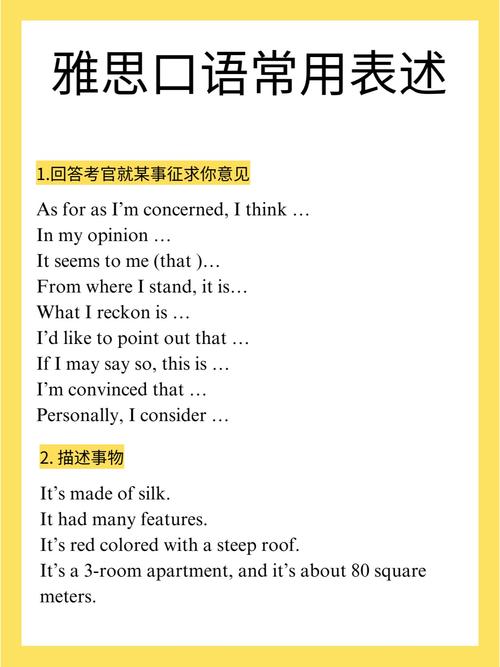
从文化差异的角度看,幸福的婚姻在不同文化中可能有不同的表现形式,在集体主义文化中,婚姻可能更强调家庭和长辈的意见;而在个人主义文化中,夫妻双方可能更注重个人选择,考生可以对比说明:“In my culture, arranged marriages were common in the past, but many young people now prefer choosing their partners based on love and compatibility. However, even in love marriages, family support still plays a role in maintaining marital stability.” 这样的回答能够展现跨文化意识,丰富口语内容的内容深度。
幸福的婚姻是沟通、价值观、支持、责任与尊重的综合体现,在雅思口语中,考生应结合个人经历或社会观察,用具体例子和生动的语言展开论述,避免空泛的理论,注意使用连接词(如“for instance,” “moreover,” “however”)来增强逻辑性,并通过自然的表达展现流利度和词汇量,以下提供两个相关FAQs及解答,帮助考生进一步拓展思路:
FAQs
-
Q: What are the common challenges that might affect a happy marriage?
A: Common challenges include financial stress, communication breakdowns, differing life goals, and external pressures like work or family conflicts. For example, if one partner prioritizes career advancement while the other values family time, disagreements may arise. Overcoming these requires compromise, patience, and a willingness to address issues together rather than avoiding them.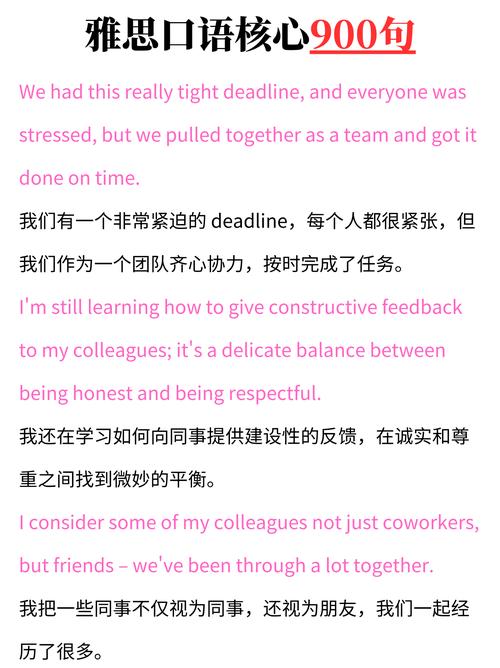 (图片来源网络,侵删)
 -
Q: Can a happy marriage exist without romantic love?
A: While romantic love often initiates a marriage, long-term happiness may rely more on companionship, respect, and mutual understanding. Some couples find fulfillment in deep emotional bonds and shared experiences even if the initial passion fades. For instance, elderly couples who have been married for decades often describe their relationship as based on friendship and trust, which can be a form of love distinct from romance.