在英语写作中,百分数作为一种精准的数据表达方式,常用于描述比例、趋势、变化等关键信息,尤其在议论文、图表作文、研究报告等文体中发挥着不可替代的作用,掌握百分数的正确表达和灵活运用,不仅能提升文章的客观性与说服力,还能体现作者严谨的逻辑思维和语言能力,本文将从百分数的基本表达、在不同文体中的应用技巧、常见错误及注意事项等方面展开详细探讨,并结合实例分析如何让百分数成为英语作文的“加分项”。
百分数的基本表达与语法规则
百分数的核心结构为“数字 + percent”,percent”可缩写为“%”,但正式写作中建议优先使用全拼。“25 percent”或“25%”,在句子中,百分数可作主语、宾语、定语或表语,需注意其与谓语动词的单复数一致——当百分数修饰可数名词复数时,谓语用复数;修饰不可数名词或整体概念时,谓语用单数。“30 percent of the students are from rural areas.”(30%的学生来自农村,students为复数,谓语用are);“Only 15 percent of the water is drinkable.”(仅15%的水可饮用,water为不可数名词,谓语用is),百分数常与比较级、最高级连用,如“The output increased by 50 percent compared with last year.”(产量比去年增长了50%)或“China has the world's largest population, accounting for 18 percent of the total.”(中国拥有世界最多人口,占总人口的18%)。
不同文体中百分数的应用场景与技巧
(一)议论文:用数据支撑论点,增强说服力
议论文的核心是“摆事实、讲道理”,而百分数是最具事实依据的“事实”之一,在论证观点时,可通过引用调研数据、统计结果等,让抽象的论点具体化,讨论“远程教育的优势”时,可引用:“According to a 2025 survey by the Ministry of Education, 78 percent of university students believe that online courses offer more flexible learning schedules, while 65 percent appreciate the ability to review materials repeatedly.”(教育部2025年调查显示,78%的大学生认为在线课程提供更灵活的学习安排,65%的人喜欢反复学习资料的便利性),此处通过两个百分数对比,既突出了远程教育的核心优势,又通过具体数据增强了可信度。
需要注意的是,引用百分数时需注明来源(如“a survey shows”“statistics indicate”),避免数据显得空泛,百分数可与其他数据形式结合,如“Over 60 percent of the participants (1,200 people in total) chose option A”,既呈现百分比,又说明基数,使数据更严谨。
(二)图表作文:精准描述数据,突出核心趋势
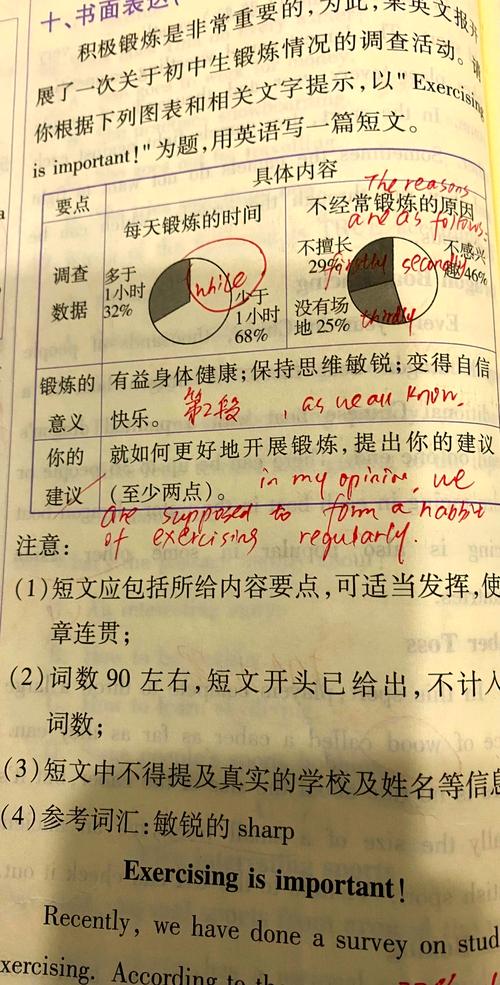
图表作文(如柱状图、饼图、折线图)的核心任务是“解读数据、提炼趋势”,百分数是描述图表信息的“通用语言”,以饼图为例,需用百分数展示各部分占比,并比较大小、突出重点。“The pie chart illustrates the proportion of energy sources used in a country in 2025. Coal accounted for the largest share, at 45 percent, followed by natural gas (30 percent), renewable energy (20 percent), and nuclear power (5 percent).”(该饼图展示了该国2025年能源使用比例,煤炭占比最大,达45%,其次是天然气(30%)、可再生能源(20%)和核能(5%))。
若为折线图描述变化趋势,可结合百分数与动态词汇:“The percentage of people using smartphones rose sharply from 35 percent in 2025 to 75 percent in 2025, an increase of 40 percentage points within five years.”(智能手机使用率从2025年的35%急剧上升至2025年的75%,五年内增长了40个百分点),此处需区分“percent”(百分比)与“percentage points”(百分点),后者用于表示两个百分数的绝对差值,避免歧义。
图表作文中可使用表格对比多组数据,
| Year | Urban Population (%) | Rural Population (%) |
|------|------------------------|------------------------|
| 2025 | 55 | 45 |
| 2025 | 60 | 40 |
| 2025 (Projected) | 65 | 35 |
通过表格,城乡人口比例的变化趋势一目了然,再辅以文字总结:“As shown in the table, the urban population is expected to grow from 55 percent in 2025 to 65 percent in 2025, while the rural proportion will decline correspondingly.”(如表所示,城市人口预计将从2025年的55%增长至2025年的65%,农村比例相应下降)。
(三)说明文/报告:客观呈现事实,清晰解释现象
在说明文或研究报告中,百分数常用于介绍背景、分析原因或说明结果,描述“老龄化社会”时:“Currently, 21 percent of Japan's population is over 65 years old, which is the highest proportion in the world. This demographic trend has led to a shrinking workforce and increased pressure on the pension system.”(日本21%的人口超过65岁,为全球最高比例,这一人口趋势导致劳动力萎缩和养老金系统压力增大),此处通过百分数量化老龄化程度,并自然引出其影响,逻辑清晰。
撰写报告时,若涉及数据对比,可采用“倍数+百分数”的结构:“The company's profit in 2025 was twice that of 2025, with a growth rate of 100 percent.”(该公司2025年的利润是2025年的两倍,增长了100%),既直观体现增长幅度,又避免重复使用“percent”。

使用百分数的常见错误与规避方法
(一)语法错误:主谓不一致与修饰对象不当
错误示例:“50 percent of the money were spent on books.”(money为不可数名词,谓语应用was);正确表达:“50 percent of the money was spent on books.”
错误示例:“The percentage of students who pass the exam is high, but 60 percent of them is still worried about scores.”(them指代students,为复数,谓语应用are);正确表达:“...but 60 percent of them are still worried about scores.”
(二)数据模糊:缺乏基数或来源,降低可信度
错误示例:“Many people support this policy, about 80 percent.”(未说明调研基数和范围,显得空泛);正确表达:“According to a survey of 2,000 respondents, 80 percent of them support this policy.”(基于对2000名受访者的调查,80%的人支持该政策)。
(三)表达冗余:重复使用“percent”或数据堆砌
错误示例:“The percentage increased from 20 percent to 30 percent.”(重复“percent”,可简化为“from 20% to 30%”或“by 10 percentage points”);错误示例:“The data shows 10 percent, 20 percent, 30 percent, and 40 percent of people chose A, B, C, D respectively.”(数据堆砌未突出重点,可调整为:“People's choices varied significantly, with 40 percent selecting D, the highest proportion, while only 10 percent chose A.”)。
提升百分数表达效果的进阶技巧
(一)动态化描述:结合趋势词汇,避免静态罗列
不说“The percentage is 50 percent”,而说“The percentage surged to 50 percent”或“hovered around 50 percent”,通过“surge”(激增)、“hover”(徘徊)等动词体现数据变化。
(二)对比分析:通过百分数差异凸显核心观点
“While 70 percent of urban residents have access to high-speed internet, only 30 percent of rural residents do. This digital divide highlights the need for infrastructure development.”(70%的城市居民能使用高速互联网,而仅30%的农村居民可以,这一数字鸿沟凸显了基础设施建设的必要性),通过对比强化论证力度。
(三)合理简化:大百分数可用“nearly/almost/more than”等修饰
“Nearly 90 percent of the students agreed”比“89 percent of the students agreed”更自然;“More than half of the population (53 percent)”既准确又简洁。
相关问答FAQs
Q1: 在英语作文中,“percent”和“percentage”有什么区别?何时使用更合适?
A: “Percent”是名词,表示“百分比”,需搭配具体数字使用,如“50 percent”;“percentage”是名词,表示“百分比”这一概念或抽象比例,常与“of”连用,且前可加冠词,如“A high percentage of people agree”。“The percentage of students passing the exam is high, and 85 percent of them got A grades.”(通过考试的学生比例很高,其中85%得了A)。“percent”对应具体数值,“percentage”对应抽象概念。
Q2: 图表作文中描述百分数变化时,如何区分“increase by”和“increase to”?
A: “Increase by”表示“增加了……百分比”,强调增长幅度;而“increase to”表示“增长到……百分比”,强调最终结果。“The percentage of female students increased by 10 percent (from 40% to 50%).”(女生比例增长了10个百分点,从40%增至50%);“The percentage of female students increased to 50 percent.”(女生比例增长至50%),同理,“decrease by”表示“减少了……”,“decrease to”表示“减少到……”,需根据语境准确选择,避免数据解读错误。