雅思大作文的时态使用是写作评分标准中“语法范围与准确性”(Grammatical Range and Accuracy)的重要组成部分,也是考生容易忽略的细节,正确的时态选择不仅能准确表达逻辑关系,还能体现对英语语法规则的掌握程度,本文将从雅思大作文常见题型出发,结合具体场景分析不同时态的适用情况,并提供实用建议帮助考生避免时态错误。

雅思大作文常见题型与时态基础
雅思大作文主要分为四种题型:同意与否(Agree or Disagree)、讨论双方观点(Discuss Both Views)、利弊分析(Advantages and Disadvantages)、问题解决类(Problem and Solution),不同题型的写作重点不同,时态选择也存在差异,但核心原则是:根据动作发生的时间、逻辑关系和语境选择时态,英语时态共有16种,但在雅思写作中高频使用的以“一般现在时”“一般过去时”“一般将来时”“现在完成时”为主,其他时态(如现在进行时、过去完成时)根据具体语境灵活使用。
各题型时态使用详解
同意与否/讨论双方观点/利弊分析类:以一般现在时为主
这类题型要求考生对某个现象、观点或事物进行分析、评价或对比,讨论的内容通常是客观事实、普遍真理或常态行为,因此一般现在时是核心时态。 “Some people think that technology has made life more complex, while others believe it has made life simpler.”
分析:讨论“技术对生活的影响”这一客观现象,属于普遍存在的观点或现状,需用一般现在时。
例句:“Technology has revolutionized communication, but it also creates new challenges, such as information overload.”
特殊情况:
- 若涉及过去的趋势或事实,需切换为一般过去时。“In the past, people relied heavily on letters for long-distance communication.”
- 若预测未来趋势,可用一般将来时(如“will”“be going to”)或“情态动词+动词原形”(如“may”“might”“could”)。“In the future, artificial intelligence could further transform healthcare.”
问题解决类:混合使用多种时态
问题解决类题型通常包含“问题描述”“原因分析”“解决方案”三个部分,不同部分需搭配不同时态:

- 问题描述:若描述当前存在的问题,用现在完成时或一般现在时。“The issue of environmental pollution has become increasingly severe in recent years.”(强调对现在的影响)或“Air pollution poses a threat to public health.”(客观事实)
- 原因分析:根据时间背景选择时态,若原因与现状直接相关,用现在完成时;若描述过去的错误决策,用一般过去时。“Overuse of plastic products has led to the accumulation of non-degradable waste.”(原因持续至今)或:“Governments failed to address the problem in the early stages, allowing it to escalate.”(过去的错误)
- 解决方案:针对未来的建议,需用一般将来时、情态动词(should/must/could)或“be to + 动词原形”。“Individuals should reduce their carbon footprint by using public transport.”或“Strict regulations will be implemented to limit industrial emissions.”
数据描述类(若有图表作文):以一般过去时为主
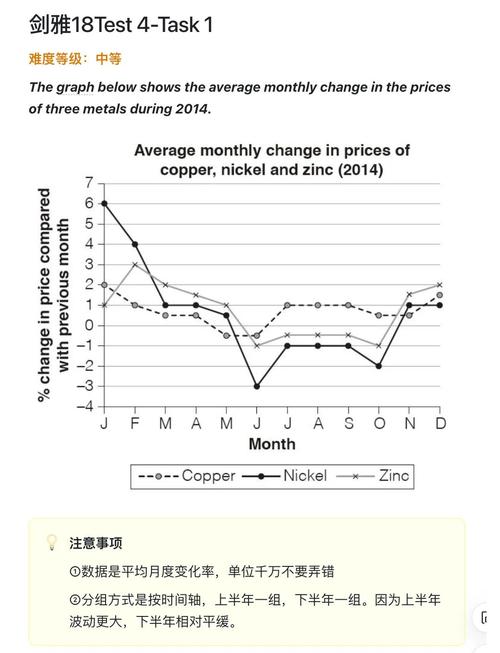
虽然大作文以议论文为主,但Task 1可能需要描述图表数据(如柱状图、线形图),此时需根据数据时间选择时态:
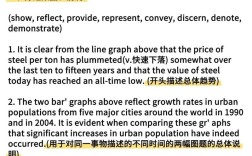
- 若描述过去某段时间的数据变化,用一般过去时。“The number of university students increased from 1 million in 2010 to 2.5 million in 2025.”
- 若描述预测性数据(如未来的趋势),用一般将来时。“It is projected that the population will reach 10 billion by 2050.”
时态选择常见错误与规避方法
错误一:混用一般现在时与现在完成时
- 典型错误:“Many people have moved to cities for better jobs opportunities.”(“move to cities”是过去发生的动作,且与现在无直接关联,误用现在完成时)
- 修正:“Many people moved to cities for better job opportunities in the past few decades.”(强调过去的趋势,用一般过去时)
- 区分原则:现在完成时(have done)强调动作对现在的影响或持续状态;一般过去时(did)强调动作在过去发生且已结束。
错误二:在客观论述中误用将来时
- 典型错误:“If we protect the environment, the Earth will be a better place in the future.”(在提出普遍性建议时,误用将来时,显得逻辑不严谨)
- 修正:“Protecting the environment makes the Earth a better place.”(用一般现在时表达客观事实或真理)
- 注意:仅在预测未来结果、提出具体未来计划时使用将来时,如“Governments will invest more in renewable energy by 2030.”
错误三:忽略时间状语与时态的呼应
- 典型错误:“Yesterday, the government announces a new policy.”(时间状语“yesterday”对应一般过去时,但动词用了第三人称单数现在时“announces”)
- 修正:“Yesterday, the government announced a new policy.”
- 关键时间状语:yesterday(一般过去时)、since 2025(现在完成时)、by 2050(一般将来时)、at present(一般现在时)等,需严格对应时态。
时态使用实用技巧
建立时态“时间框架”
动笔前先确定文章的核心时间背景:是讨论现状(一般现在时)、分析历史(一般过去时),还是预测未来(一般将来时),在“科技对生活影响”的议论文中,现状分析用一般现在时,回顾过去科技发展用一般过去时,预测未来趋势用一般将来时,确保全文时态逻辑统一。
善用“时态信号词”
通过信号词快速判断时态:
- 一般现在时信号词:usually, often, generally, nowadays, currently等。
- 一般过去时信号词:in the past, last year, decades ago, used to等。
- 现在完成时信号词:since, for, so far, up to now, recently等。
- 一般将来时信号词:in the future, tomorrow, next century, will, be going to等。
模仿范文时态搭配
研考雅思高分范文(如剑桥雅思真题范文),分析不同题型中时态的切换规律,在问题解决类范文中,问题描述常用现在完成时(“The problem of traffic congestion has worsened in urban areas”),原因分析用一般过去时(Poor urban planning contributed to this issue),解决方案用情态动词(Governments should improve public transport systems)。
相关问答FAQs
问题1:在讨论“社会现象”时,是否可以同时使用一般现在时和现在完成时?
解答:可以,但需区分逻辑关系,一般现在时用于描述现象的客观现状或常态,现在完成时用于强调现象从过去持续至今或对现在的影响。“Social media plays a significant role in modern life”(一般现在时,客观现状),It has changed the way people communicate over the past decade”(现在完成时,强调过去到现在的变化及影响),两者结合能体现逻辑层次,但需避免同一句子中重复使用导致冗余。
问题2:如果题目中的事件发生在过去,但讨论其对现在的影响,时态该如何选择?
解答:此时需结合“一般过去时”和“现在完成时”,用一般过去时描述过去的动作或事件,用现在完成时说明其对当前的结果或影响。“The Industrial Revolution began in the 18th century”(一般过去时,描述过去事件),“It has transformed the global economy and shaped modern society”(现在完成时,强调对现在的影响),这种搭配能准确体现“过去-的因果逻辑,避免时态混乱。