should英文口语
在英语口语中,“should”是一个非常常用且重要的情态动词,它主要用来表达建议、义务、可能性或期望等含义,掌握“should”的用法不仅能提升口语表达的准确性,还能让沟通更加自然流畅,本文将详细解析“should”在口语中的多种用法,并提供丰富的例句和实用场景,帮助学习者更好地理解和运用这一表达。
should的基本用法
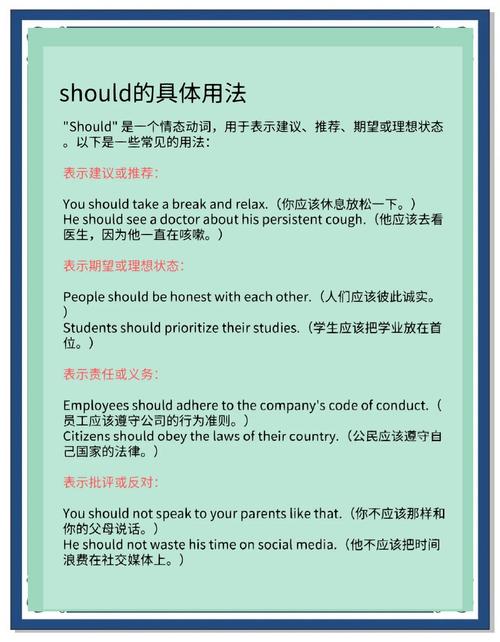
“should”作为情态动词,通常与动词原形连用,没有人称和数的变化,其核心功能包括提供建议、表达义务、推测可能性以及表达情感或期望。
-
提供建议或意见
“should”最常见的用法是用于提出建议,相当于“应该”,这种用法通常用于非正式的日常对话中,语气较为委婉。- 例句:You should drink more water when you have a cold.
(感冒时你应该多喝水。) - 例句:If you want to improve your English, you should practice speaking every day.
(如果你想提高英语水平,应该每天练习口语。)
- 例句:You should drink more water when you have a cold.
-
表达义务或责任
在某些情况下,“should”可以用来表示某人有责任或义务做某事,语气比“must”更柔和。- 例句:Students should submit their assignments by Friday.
(学生应该在周五前提交作业。) - 例句:We should respect our elders.
(我们应该尊敬长辈。)
- 例句:Students should submit their assignments by Friday.
-
表达推测或可能性
“should”还可以用于表示对某事的推测,通常暗含“按理说应该会”的含义。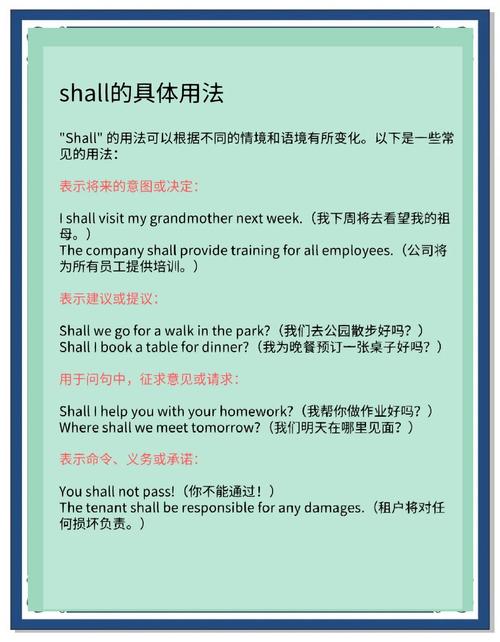 (图片来源网络,侵删)
- 例句:The package should arrive tomorrow.
(包裹明天应该会到。) - 例句:He should be at home by now.
(他现在应该在家了。)
- 例句:The package should arrive tomorrow.
-
表达情感或期望
在口语中,“should”常用于表达说话者的情感,如惊讶、遗憾或不满。- 例句:You should have told me earlier!
(你早该告诉我!) - 例句:It’s a pity that you should miss such a wonderful opportunity.
(你错过这么好的机会真是太可惜了。)
- 例句:You should have told me earlier!
should的常见搭配
“should”在口语中经常与其他词搭配使用,形成固定表达,增强语言的地道性,以下是一些常见搭配及其用法:
| 搭配 | 含义 | 例句 |
|---|---|---|
| should have done | 本应该做某事(但未做) | I should have called you yesterday.(我昨天本该给你打电话的。) |
| should not have done | 本不该做某事(但做了) | You shouldn’t have eaten so much spicy food.(你本不该吃那么多辣的。) |
| should like to | 想要做某事(礼貌表达) | I should like to book a table for two.(我想预订一个两人桌。) |
| why should... | 为什么竟然...(表惊讶) | Why should he lie to me?(他为什么要对我撒谎?) |
should在不同场景中的口语应用
-
日常对话
在与朋友或家人的日常交流中,“should”常用于建议或提醒。- 例句:It’s raining heavily. You should take an umbrella.
(雨下得很大,你应该带把伞。)
- 例句:It’s raining heavily. You should take an umbrella.
-
工作场合
在职场中,“should”可以用于提出建议或表达职责,语气较为正式。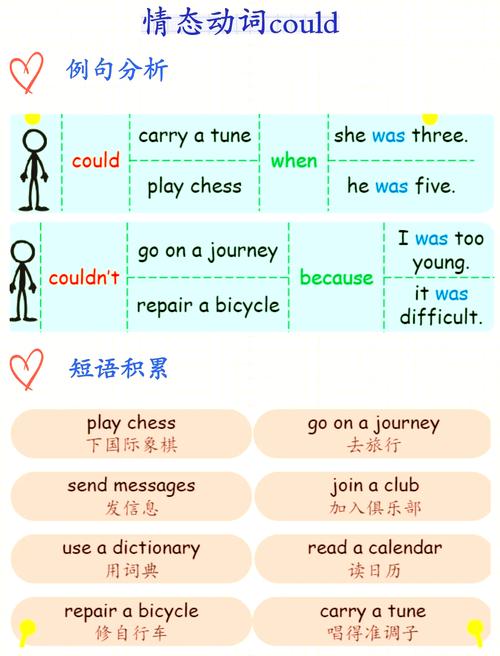 (图片来源网络,侵删)
- 例句:We should review the report before sending it to the client.
(我们应该在把报告发给客户前再检查一遍。)
- 例句:We should review the report before sending it to the client.
-
学习场景
学生和老师之间常用“should”讨论学习建议或要求。- 例句:You should focus on your grammar if you want to write better.
(如果想写得更好,你应该专注于语法。)
- 例句:You should focus on your grammar if you want to write better.
-
表达遗憾或后悔
通过“should have done”结构,可以表达对过去行为的遗憾。- 例句:I should have studied harder for the exam.
(我本该为考试更努力学习的。)
- 例句:I should have studied harder for the exam.
使用should的注意事项
-
避免过度使用
虽然“should”用途广泛,但频繁使用可能会让语言显得单调,可以适当替换为其他表达,如“had better”(最好)、“it would be a good idea to”(……是个好主意)等。 -
注意语气差异
“should”在不同语境中语气不同。“You should exercise more”是建议,而“You must exercise more”则是强调必要性。 -
区分should和would
“should”和“would”在口语中容易混淆。“should”侧重建议或义务,而“would”常用于假设或礼貌请求。
练习与提升
为了更好地掌握“should”的口语用法,可以通过以下方式练习:
- 角色扮演:模拟日常对话场景,用“should”提出建议或表达意见。
- 造句练习:根据不同场景,用“should”及其搭配造句。
- 听力模仿:通过影视剧或英语播客,注意母语者如何使用“should”。
FAQs
Q1: should和must有什么区别?
A1: “should”和“must”都表示“应该”,但“must”语气更强,通常表示“必须”或“一定要”,强调必要性或强制性。“You must wear a helmet when riding a bike”(骑自行车时必须戴头盔),而“You should wear a helmet for safety”(为了安全,你应该戴头盔)。
Q2: 如何正确使用should have done?
A2: “should have done”用于表达对过去行为的后悔或遗憾,表示“本应该做某事但实际未做”。“I should have apologized to her”(我本该向她道歉的),相反,“should not have done”表示“本不该做某事但实际做了”,“You should not have lied to him”(你本不该对他撒谎的)。