雅思写作Task 1中的图表作文,尤其是关于降水数据的描述,是考生需要重点掌握的题型之一,这类题目通常通过折线图、柱状图或表格等形式展示某地区在不同时间段内的降水量变化,要求考生准确提取数据、分析趋势,并用清晰、连贯的语言进行描述,以下将从题型特点、结构安排、常用词汇和句型以及注意事项等方面,详细解析雅思降水小作文的写作方法。
题型特点与数据提取
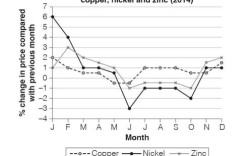
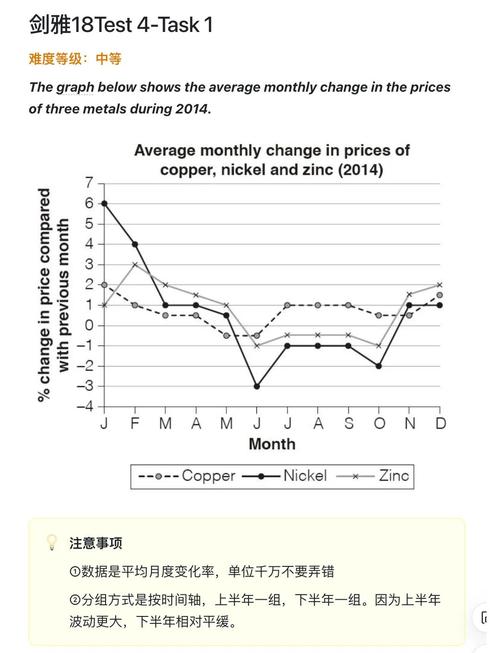
降水类图表的核心在于“数据”和“趋势”,常见的数据类型包括月降水量、年降水量、不同城市或地区的降水量对比等,考生首先需要快速识别图表类型(如折线图侧重趋势变化,柱状图侧重具体数值对比),并明确时间范围、单位(毫米、英寸等)和比较对象,若图表显示某城市2010-2025年的月降水量,需重点关注每年降水量最高的月份、最低的月份,以及整体是呈增长、下降还是波动趋势,数据提取时,建议优先描述极端值(最大值、最小值)、显著变化(陡增/陡减)以及整体规律(如夏季降水集中,冬季干旱),避免罗列所有数据而忽略关键信息。
文章结构与段落安排
一篇合格的降水小作文应包含三个核心段落:引言、主体分析和总结。
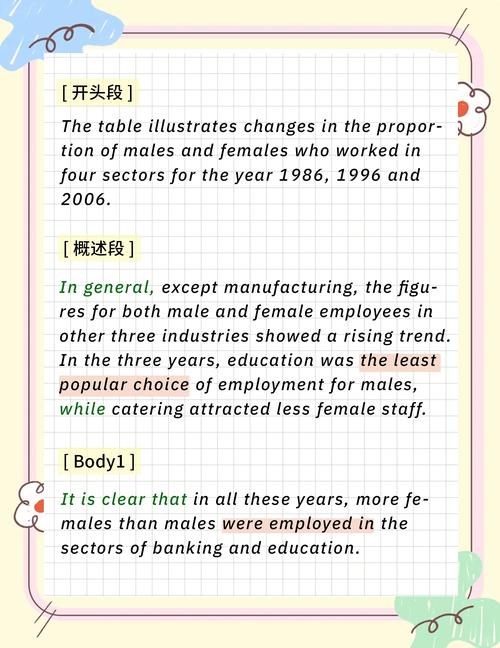
引言段:简要介绍图表内容,包括图表类型、描述对象和时间范围。“The line graph illustrates the changes in monthly precipitation in City A from 2025 to 2025.” 避免复制题目原句,可适当改写,如用“depicts”“shows”替换“illustrates”。
主体段:这是文章的核心,需分段落呈现数据特征,可按时间顺序(如按年、按季节)或按数据类型(如最高/低降水量、对比分析)分段,若图表涉及三年数据,可分三年描述;若突出季节差异,可按春、夏、秋、冬四季展开,每段开头用主题句概括该段核心内容,如“In 2025, the precipitation showed a significant seasonal variation.” 后文用具体数据支撑,如“The highest rainfall occurred in July with 250mm, while the lowest was only 20mm in January.”
总结段:概括主要趋势和核心发现,无需引入新数据。“Overall, City A experienced a wet summer and dry winter throughout the three-year period, with 2025 being the year with the highest annual precipitation.”
常用词汇与句型
词汇积累:
- 描述趋势:increase, rise, grow, surge, decline, drop, decrease, fluctuate, remain stable/steady, reach a peak/hit a low.
- 描述程度:slight, moderate, significant, dramatic, sharp, gradual, noticeable.
- 描述频率:occasionally, frequently, rarely, consistently.
- 时间连接词:over the period, from...to..., in the first/second half, during the summer/winter.
句型多样:
- 简单句:“The precipitation in June was 150mm.”
- 复合句:“While July saw the highest rainfall, January recorded the lowest amount.”
- 比较句:“The rainfall in 2025 was higher than that in 2025 by about 30mm.”
- 数据呈现:“The figure experienced a slight increase from 100mm to 120mm between May and June.”
数据呈现与逻辑衔接
在描述数据时,需注意逻辑顺序和衔接自然,可使用“具体数据+趋势分析”的模式,“In 2025, the monthly precipitation ranged from 15mm (February) to 280mm (August). This indicates a clear trend of increasing rainfall from June to August, followed by a gradual decrease in the subsequent months.” 避免简单堆砌数据,而是通过对比(如“compared with 2025”)、分类(如“in terms of seasonal distribution”)等方式增强条理性,适当使用连接词(however, therefore, in addition)确保段落过渡流畅。
注意事项
- 数据准确性:引用数据时需与图表一致,避免误差(如单位混淆、数值写错)。
- 客观描述:Task 1是客观报告,避免主观评价(如“The rainfall was too much”)。
- 字数控制:Task 1建议150-200词,需精炼语言,避免冗余。
- 时态统一:描述过去数据用一般过去时,若涉及预测或普遍规律可用一般现在时。
范文结构示例(以柱状图描述某城市月降水量为例)
The bar chart compares the monthly precipitation in City B over the course of a year.
主体段1(1-6月):In the first half of the year, precipitation started at 40mm in January and gradually increased to 120mm in June. Notably, February and March saw relatively stable rainfall, both around 50mm, indicating a dry early spring.
主体段2(7-12月):The second half witnessed a significant rise, with July and August peaking at 200mm and 180mm respectively. However, from September onwards, precipitation declined sharply, dropping to 60mm by December.
:Overall, City B has a distinct wet season (summer) and dry season (winter), with the highest rainfall concentrated between July and August.
相关问答FAQs
Q1: 遇到包含多个年份或多个城市的数据图表,如何组织主体段结构?
A1: 可采用“按时间分段”或“按对象分段”两种方式,若图表对比2025和2025年数据,可分两段分别描述两年的降水量趋势;若对比三个城市的年降水量,可分三段,每段聚焦一个城市,无论哪种方式,需确保段落主题明确,数据对应清晰,避免交叉混乱。
Q2: 描述降水数据时,是否需要提及所有月份的具体数值?
A2: 不必罗列所有数据,应优先选择关键信息(如最高/低值、显著变化点、整体趋势),若某个月份降水量与相邻月份差异不大(如5月110mm,6月115mm),可概括为“slight fluctuation between May and June”;而对于极端值(如7月250mm,远高于其他月份),则需重点突出,以体现数据特征。