在雅思口语考试中,Part 1话题“Home”是高频基础话题,旨在考察考生对日常居住环境的描述能力、个人情感表达以及简单观点阐述,掌握一个逻辑清晰、内容充实的模版,不仅能帮助考生快速组织思路,还能确保回答的流畅度和丰富性,以下从核心结构、内容填充技巧、高分表达范例及注意事项四个维度,详细拆解“Home”话题的模版使用方法,并附实用表格和FAQs解答。
核心结构:三段式回答框架
针对“Home”相关问题的回答(如“Do you live in a house or an apartment?”“Can you describe your home?”“What do you like about your home?”等),建议采用“总-分-总”或“观点-细节-拓展”的三段式结构,确保层次分明,避免内容碎片化。
开篇:直接回应问题,给出核心观点
用1-2句话明确回答问题,避免冗余铺垫。
- “I currently live in a cozy two-bedroom apartment with my family in the downtown area.”
- “What I love most about my home is its warm atmosphere and the small balcony that brings me a lot of joy.”
主体:分点展开细节,结合具体场景
这是回答的核心部分,需提供2-3个具体细节,每个细节用1-2句话解释,并加入个人感受或经历,让内容更生动,可围绕“居住类型”“房间布局”“周边环境”“个人情感”等角度展开,具体可根据问题灵活调整。
总结观点或补充延伸
用1句话总结核心感受,或自然过渡到相关联想(如未来居住计划、对“家”的理解等)。
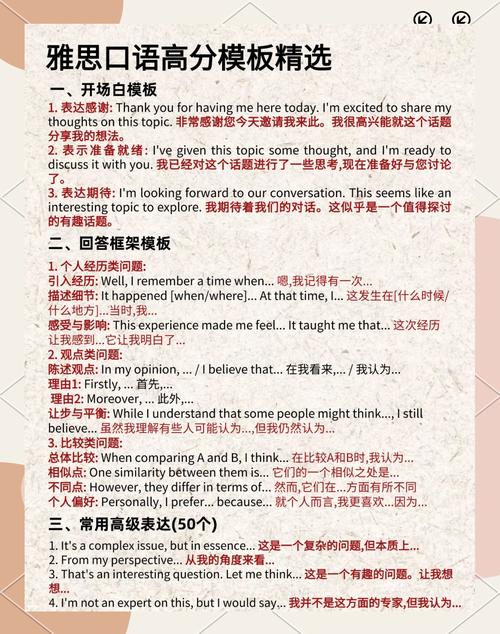
- “Overall, my home is more than just a living space—it’s where I feel most relaxed and connected with my loved ones.”
- “If I could change one thing, I’d add a small study room, but for now, I’m truly happy with how it is.”
内容填充技巧:高频问题与素材库
针对“Home”话题的不同子问题,可提前准备针对性素材,确保考试时灵活调用,以下是常见问题及对应的填充方向,结合表格整理核心词汇和句型:
表1:雅思口语“Home”话题高频问题与素材库
| 问题类型 | 常见问题示例 | 内容填充方向 | 核心词汇/句型 |
|---|---|---|---|
| 居住类型 | Do you live in a house or an apartment? | 居住类型(house/apartment/studio) 居住时长 选择原因(交通便利、空间大小、周边环境) |
“a spacious apartment with a garden view”“rented/owned”“cozy and compact”“close to public transport” |
| 房屋布局 | How many rooms are there in your home? | 房间数量与功能(卧室、客厅、厨房、阳台等) 最喜欢的房间及原因 房间特色(采光、装饰、家具) |
“master bedroom”“open-plan kitchen”“south-facing balcony”“furnished with modern appliances” |
| 周边环境 | What’s the neighborhood like around your home? | 安静/热闹 配套设施(超市、公园、餐厅) 交通便利性(地铁、公交) |
“quiet residential area”“well-equipped with amenities”“a stone’s throw from the subway”“lively with local markets” |
| 个人情感与偏好 | What do you like about your home? | 特定角落/物品(书架、照片墙、绿植) 家庭活动(聚餐、看电影) 情感价值(安全感、归属感) |
“a sense of belonging”“family photo wall”“indoor plants that purify the air”“unwind after a busy day” |
| 未来计划 | Do you want to move in the future? | 是否愿意搬家 理想居住地(城市、乡村) 对未来家的期待(更大的空间、花园) |
“a countryside house with a backyard”“a penthouse with a city view”“downsize to a simpler place” |
细节填充技巧:用“具体场景+感受”替代抽象描述
避免只说“我的家很漂亮”,而是通过具体场景展现。
- 原版:“My living room is comfortable.”
- 升级:“My living room has a large L-shaped sofa where my family and I gather every weekend to watch movies. The soft yellow lights and the bookshelf filled with my favorite novels make it feel like a cozy retreat.”
通过“家具布局(L-shaped sofa)+ 家庭活动(gather to watch movies)+ 视觉/触觉细节(soft yellow lights, bookshelf)+ 感受(cozy retreat)”,让描述更具画面感。
高分表达范例:以“Describe your home”为例
以下是一个完整的回答范例,涵盖上述结构,并融入高分词汇和复杂句型:
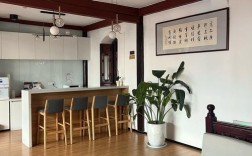
“Well, I live in a modern apartment located in the northeastern part of the city, which I’ve shared with my parents for about five years. It’s not very big, but every corner is thoughtfully designed to make the most of the space. The apartment has two bedrooms, a bright living room, and a small balcony that I’ve turned into a little green oasis with potted plants and a tiny table.
What I love most is the living room because it gets plenty of natural light in the morning, thanks to the large windows facing east. We usually keep the sofa and TV area on one side, and the other side is my mom’s small piano corner where she practices every evening. Sometimes, I’ll sit on the balcony with a cup of tea in the morning, listening to the birds chirping and watching the neighborhood wake up—it’s my favorite way to start the day.
The neighborhood is quite convenient: there’s a supermarket just downstairs, a park a five-minute walk away, and the subway station is only a ten-minute stroll. It’s not as quiet as the suburbs, but I enjoy the lively atmosphere, especially during the evening when families are out walking their dogs or kids are playing in the square.
Overall, my home might not be luxurious, but it’s filled with warmth and happy memories. It’s where I feel safe and supported, and I can’t imagine living anywhere else—at least for now!”
注意事项:避免常见错误,提升回答质量
- 避免模板化痕迹:模版是框架,但需结合个人真实经历填充,避免所有考生回答雷同,与其说“I have a balcony”,不如说“I grow tomatoes and chili peppers on my balcony, which I use for cooking almost every day.”
- 控制语速与发音:Part 1语速适中,重点词汇(如“cozy”“oasis”“thoughtfully”)发音清晰,避免因追求快而含糊。
- 灵活应对追问:若考官追问“Do you want to move?”,可在模版“未来计划”基础上延伸,“Not really, because I’m attached to the community here—all our neighbors know each other, and my best friend lives just across the hall. But maybe in ten years, I’d consider a bigger place if my family grows.”
相关问答FAQs
Q1: 雅思口语“Home”话题是否必须说真实居住环境?如果虚构内容会不会影响分数?
A1: 建议以真实经历为基础,但不必完全拘泥于事实,雅思口语考察的是语言表达能力(词汇、语法、流利度)而非内容的真实性,若真实居住环境较简单,可适当补充细节或合理想象(如添加喜欢的房间、周边设施等),但需确保描述逻辑连贯,避免前后矛盾,若实际住小户型,可说“my room is small, but I use wall shelves to save space, making it feel much bigger”,通过具体细节让虚构内容可信。
Q2: 如何在回答“Home”话题时避免重复使用简单词汇(如“like”“beautiful”)?
A2: 可通过“同义替换”和“具体化描述”提升词汇丰富度。
- “like”替换为“enjoy”“appreciate”“am fond of”“particularly love”;
- “beautiful”替换为“charming”“cozy”“aesthetically pleasing”“welcoming”;
- 用“功能+感受”替代形容词,如不说“a nice kitchen”,而说“a kitchen where I bake cookies with my sister on weekends—it’s always filled with laughter”,积累主题相关词汇(如“interior design”“storage solutions”“natural lighting”)也能让回答更专业。