雅思口语考试中,当话题涉及“dinner”时,考生需要从多个维度展开描述,包括晚餐的场景、人物、食物、感受以及背后的文化意义等,以下将从常见考点出发,提供详细的思路拓展和词汇表达,帮助考生构建有逻辑、有细节的回答。
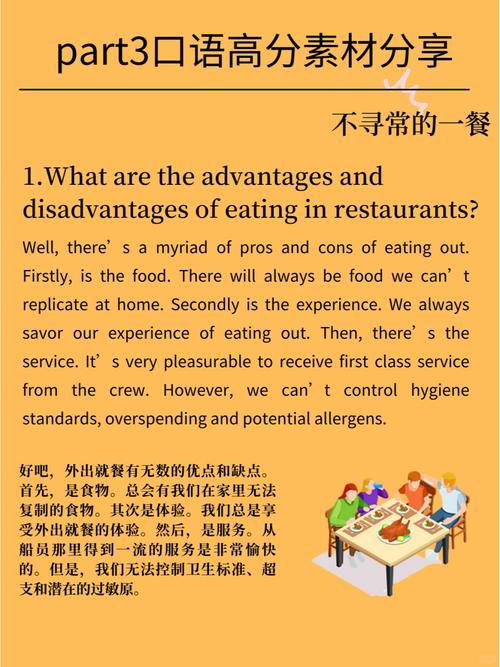
在雅思口语Part 1中,考官可能会问“Do you usually have dinner at home or eat out?”这类问题,回答时,可以先明确选择,再说明原因。“I usually have dinner at home because my mom is an amazing cook, and she always prepares nutritious meals after work. It’s a great way to catch up with my family after a busy day.” 如果选择外出就餐,可以补充:“I enjoy eating out on weekends, especially at Italian restaurants, because I love their pasta and the cozy atmosphere.” 此类回答需要结合个人经历,避免空泛。
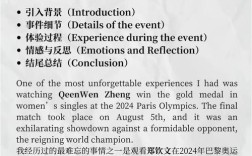
对于Part 2的“Describe a special dinner you had”,考生需要构建一个具体的故事,可以从时间、地点、人物、事件和感受五个要素入手。“I’d like to talk about the dinner I had with my best friend last month. We celebrated her promotion at a rooftop restaurant downtown. The restaurant had a stunning view of the city skyline, and we ordered seafood pasta and grilled salmon. What made it special was that we hadn’t seen each other for six months due to our busy work schedules, so we spent hours chatting about everything—our jobs, travel plans, and childhood memories. The food was delicious, but the best part was the laughter and the feeling of reconnection. By the end of the night, we both felt grateful for our friendship and decided to meet more often.” 这样的描述包含了具体的细节(如食物、地点)和情感表达,能够展现语言能力。
在Part 3的延伸讨论中,考官可能会问“Why do people think dinner is important compared to other meals?”这时,可以从社会、文化和心理层面分析。“Dinner is often considered important because it’s typically the only time when all family members can gather together after work or school. It’s a ritual that strengthens family bonds, as people share their daily experiences. Additionally, in many cultures, dinner is associated with relaxation and socializing, unlike breakfast which is rushed or lunch which is often quick. Psychologically, ending the day with a satisfying meal can reduce stress and create a sense of closure.”
为了更清晰地展示晚餐相关的词汇和表达,以下是分类整理的表格:
| 类别 | 词汇/表达 |
|---|---|
| 场景 | at home, eat out, restaurant, café, rooftop dining, family gathering, buffet |
| 食物 | seafood, pasta, grilled salmon, steak, salad, dessert, appetizer, main course, vegetarian |
| 感受 | cozy, relaxing, enjoyable, memorable, delicious, satisfying, heartwarming |
| 动作 | cook, prepare, order, chat, laugh, celebrate, catch up, savor |
| 频率 | every day, occasionally, rarely, once a week, on special occasions |
在描述晚餐时,可以加入一些具体的感官细节,让回答更生动。“The aroma of freshly baked bread filled the restaurant, and the first bite of the creamy mushroom soup was absolutely divine.” 或者:“The soft lighting and gentle music created a romantic ambiance, making it perfect for a celebration.”
不同文化背景下的晚餐习俗也可以作为话题延伸。“In China, dinner is often a time for the whole family to sit together and share dishes from the center of the table, symbolizing unity. We usually have a staple food like rice or noodles, accompanied by several hot dishes, including vegetables, meat, and soup. It’s common for elders to serve the younger generation, which shows respect and care.” 这样的对比不仅能展示词汇量,还能体现跨文化理解能力。
对于不常外出就餐的考生,可以描述家庭晚餐的场景:“My family’s dinner routine is quite simple but meaningful. Every evening, my dad sets the table while my mom finishes cooking in the kitchen. We usually have a balanced meal with rice, stir-fried vegetables, and a source of protein like chicken or tofu. After eating, we help with the dishes together, and sometimes my dad will tell jokes to lighten the mood. It’s these small moments that make dinner my favorite part of the day。”
在回答时,需要注意语法准确性和句式多样性,可以使用复合句(“Although I’m usually tired after work, I always look forward to cooking dinner because it helps me unwind”)、倒装句(“Not only did the food taste great, but the service was also excellent”)以及强调句(“It was the laughter around the table that made that dinner unforgettable”)。
回答的结构要清晰,可以使用连接词(如“Firstly,” “Moreover,” “However,” “As a result”)来组织内容,在描述特殊晚餐时,可以按照“背景-准备过程-晚餐细节-感受-影响”的顺序展开,确保逻辑连贯。
FAQs
-
Q: 如何避免在描述晚餐时内容过于重复?
A: 可以从不同角度切入,例如晚餐的时间(工作日vs周末)、地点(家庭vs餐厅)、人物(家人vs朋友)或主题(庆祝vs日常),每个角度选择2-3个具体细节,如食物的种类、环境氛围、对话内容等,避免反复使用相同的词汇和句式,加入个人感受和对比(如“与平时不同,这次晚餐特别是因为……”)也能丰富内容。 -
Q: 如果晚餐经历不丰富,如何虚构合理的回答?
A: 可以基于常见的生活场景进行合理想象,想象一次和朋友在异国餐厅的晚餐”,结合普遍的体验(如美食、环境、社交)来描述,关键是要细节真实,比如具体菜品的味道(“辛辣的泰式咖喱让我额头冒汗,但停不下来”)、餐厅的装饰(“墙上挂着当地的摄影作品,充满异域风情”)或人物的情绪(“久别重逢的激动让我们都有些话多”),虚构时注意逻辑连贯,避免夸大其词,确保语言表达自然流畅。