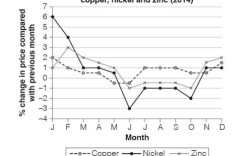
The water cycle, also known as the hydrological cycle, is a continuous and dynamic process that describes the movement of water on, above, and below the surface of the Earth. This vital natural system involves the circulation of water through various reservoirs, including oceans, atmosphere, rivers, lakes, groundwater, and living organisms, driven primarily by solar energy and gravity. Understanding the water cycle is essential for comprehending Earth's climate patterns, sustaining ecosystems, and managing water resources, which are increasingly threatened by human activities and climate change.
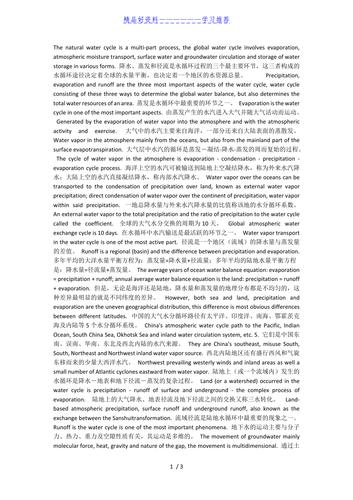
The water cycle begins with evaporation, the process by which liquid water from oceans, lakes, rivers, and even moist soil transforms into water vapor due to solar radiation. Oceans, which cover approximately 71% of Earth's surface, contribute the largest portion of evaporated water, accounting for about 90% of global evaporation. Transpiration, the release of water vapor from plants through their leaves, also plays a significant role, collectively termed evapotranspiration. Together, evaporation and transpiration transfer roughly 500,000 cubic kilometers of water into the atmosphere annually. As water vapor rises, it cools and undergoes condensation, forming tiny water droplets or ice crystals that cluster to create clouds. This phase change from vapor to liquid or solid releases latent heat, which influences atmospheric circulation and weather systems.
Once condensed, water returns to Earth's surface through precipitation, which includes rain, snow, sleet, or hail. Precipitation patterns vary globally, influenced by factors such as temperature, wind patterns, and geographic features. For example, tropical regions near the equator receive high rainfall due to intense solar heating and abundant evaporation, while arid regions like deserts experience minimal precipitation. When precipitation reaches the surface, it follows multiple paths. Some water flows overland as surface runoff, eventually reaching rivers, lakes, and oceans. This runoff shapes landscapes through erosion and sediment transport, carving valleys and depositing nutrients in floodplains. Other water infiltrates the soil, recharging groundwater aquifers—underground layers of permeable rock or sediment that store freshwater. Groundwater moves slowly through aquifers, discharging into streams, lakes, or oceans over timescales ranging from years to millennia.
A portion of precipitation is temporarily stored in surface water bodies such as lakes, reservoirs, and wetlands. Wetlands, in particular, act as natural sponges, absorbing excess water during heavy rainfall and releasing it during dry periods, thereby regulating water flow and improving water quality by filtering pollutants. Additionally, water is taken up by plant roots through absorption, contributing to transpiration and supporting terrestrial ecosystems. This interaction between water and living organisms is crucial for maintaining biodiversity and ecological balance.
Human activities significantly impact the water cycle, often disrupting its natural balance. Deforestation, for instance, reduces transpiration and increases surface runoff, leading to soil erosion and reduced groundwater recharge. Urbanization replaces permeable soil with impervious surfaces like concrete and asphalt, decreasing infiltration and exacerbating flooding while limiting groundwater replenishment. Agriculture, which accounts for approximately 70% of global freshwater use, can deplete aquifers through over-irrigation and contaminate water bodies with fertilizers and pesticides. Industrial discharges and untreated sewage further degrade water quality, threatening aquatic life and human health. Climate change intensifies these impacts by altering precipitation patterns, increasing the frequency of extreme weather events such as droughts and floods, and accelerating the melting of glaciers and ice caps, which disrupts freshwater availability for billions of people.
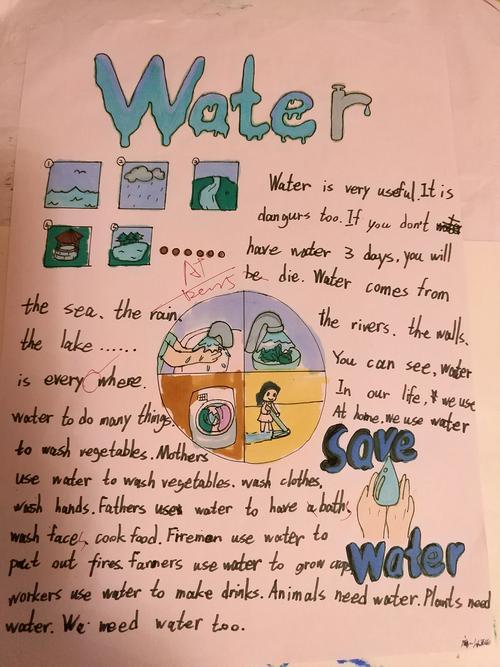
Despite these challenges, sustainable water management practices can help mitigate the effects of human interference. Implementing water-efficient technologies in agriculture, such as drip irrigation, reduces water waste and conserves resources. Protecting wetlands and reforestation efforts enhance natural water filtration and regulate the water cycle. Wastewater treatment and recycling enable the reuse of water for industrial and agricultural purposes, reducing pressure on freshwater sources. International cooperation and policy measures, such as the United Nations Sustainable Development Goal 6 (Clean Water and Sanitation), are essential for ensuring equitable access to water and preserving this vital cycle for future generations.
In conclusion, the water cycle is a complex and interconnected system that sustains life on Earth. Its processes—evaporation, condensation, precipitation, and runoff—are fundamental to maintaining ecological balance and supporting human societies. However, human activities and climate change pose significant threats to its stability, necessitating urgent action to protect and conserve water resources. By adopting sustainable practices and fostering global collaboration, we can ensure the continued functioning of the water cycle and safeguard the availability of clean water for all living beings.
FAQs
-
Q: How does climate change affect the water cycle?
A: Climate change disrupts the water cycle by altering precipitation patterns, increasing evaporation rates due to higher temperatures, and intensifying extreme weather events. For example, warmer air holds more moisture, leading to heavier rainfall and flooding in some regions, while others experience prolonged droughts. Melting glaciers and ice caps also reduce freshwater storage, affecting water availability for downstream communities. These changes exacerbate water scarcity, impact agriculture, and threaten ecosystems.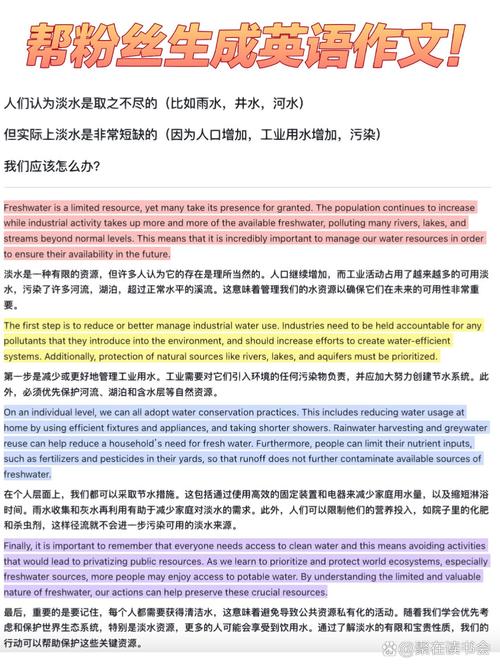 (图片来源网络,侵删)
 -
Q: What role do wetlands play in the water cycle?
A: Wetlands act as natural regulators of the water cycle by absorbing excess precipitation during wet periods and releasing water slowly during dry spells, which helps reduce flooding and maintain base flow in rivers. They also improve water quality by filtering pollutants, sediments, and excess nutrients from runoff, and provide critical habitats for diverse species. Additionally, wetlands recharge groundwater through infiltration, supporting freshwater storage and availability.