雅思大作文例句的积累与运用是提升写作成绩的关键环节,许多考生在备考过程中常常陷入“例句堆砌却不得其法”的误区,高质量的例句并非华丽辞藻的简单拼接,而是需要结合论证逻辑、话题语境和语言准确性的有机融合,本文将从例句的核心功能、分类积累方法、实战运用技巧及常见误区四个维度,系统解析如何通过例句提升雅思大作文的论证深度与语言表现力。
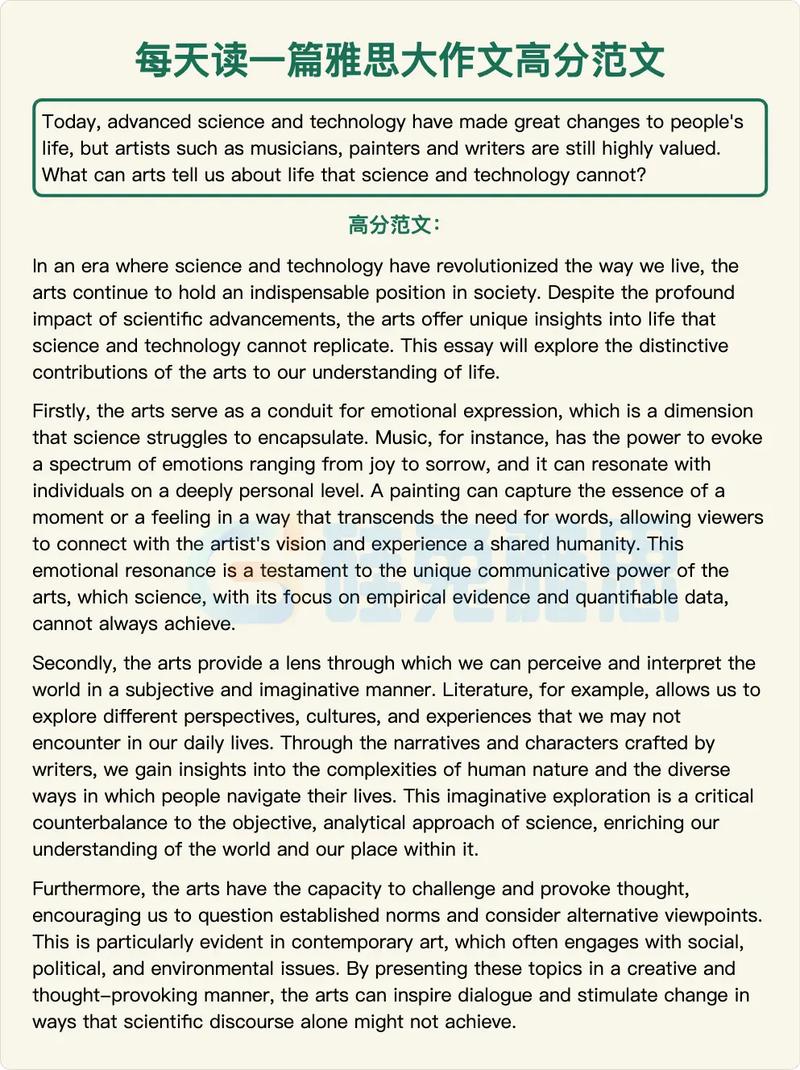
例句在雅思大作文中的核心功能
雅思大作文评分标准中,“任务回应”(Task Response)与“连贯与衔接”(Coherence and Cohesion)是高分的关键,而例句正是实现这两项要求的核心载体,具体而言,例句的核心功能体现在三个方面:
一是具象化抽象论证,当论述“科技对人际关系的影响”时,仅说“科技导致沟通减少”过于空泛,而通过“家庭成员共处一室却各自刷手机,晚餐交流时间从平均30分钟缩短至不足10分钟”的具体数据或场景,可使论证更具说服力。
二是强化逻辑衔接,例句可作为段落内部的“论证支架”,例如用“以芬兰教育体系为例,其废除标准化考试后,学生的创新思维能力提升了40%”来承接前文“教育评价方式应多元化”的观点,形成“观点-例证-解释”的闭环逻辑。
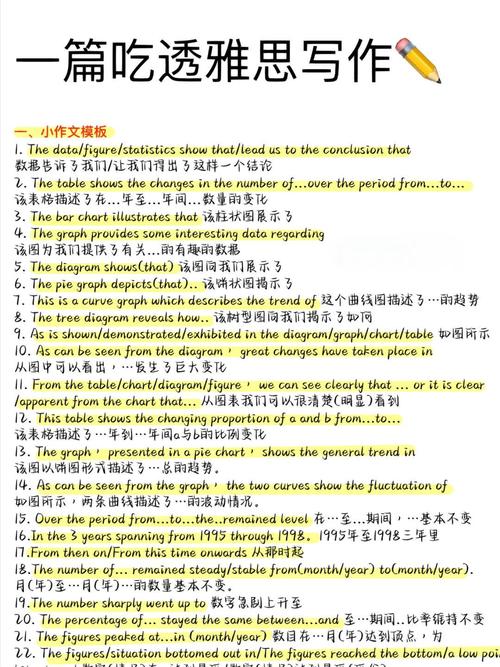
三是展示语言多样性,恰当的例句能自然融入复杂句式(如定语从句、状语从句)和学术词汇(如“empirical evidence”“quantitative analysis”),避免语言表达的单调性,这也是“词汇资源”(Lexical Resource)评分项的重要考察点。
例句的分类积累方法
根据雅思大作文常考话题(如教育、科技、环境、社会等),例句可分为以下四类,需针对性积累并掌握其表达逻辑:
数据类例句:增强论证客观性
数据类例句通过具体数字或研究结果支撑观点,适合讨论社会问题、科技影响等需要量化论证的话题。
- 积累方向:关注权威报告(如WHO、UN、Pew Research Center)中的统计数据,或经典研究结论(如“哈佛大学2025年研究表明……”)。
- 例句示范:
- “According to a survey conducted by the World Health Organization, 85% of teenagers in developed countries experience eye strain due to prolonged screen time, which highlights the urgent need for digital health education.”
- “A 2025 report by the Intergovernmental Panel on Climate Change (IPCC) reveals that if global carbon emissions continue to rise at the current rate, the average global temperature will increase by 2.7°C by 2050, triggering irreversible ecological damage.”
案例类例句:提升论证生动性
案例类例句通过具体人物、事件或现象展开论述,适合讨论文化、历史、个人经历等话题,增强文章的可读性。
- 积累方向:关注社会热点事件(如“共享单车的兴衰”)、历史典故(如“中国的改革开放”)或个人/群体经历(如“远程办公对职场人士的影响”)。
- 例句示范:
- “The rise of electric vehicle manufacturer Tesla exemplifies how technological innovation can reshape traditional industries: by 2025, Tesla’s global sales had exceeded 1.3 million units, accounting for 14% of the electric vehicle market worldwide.”
- “In Sweden, the implementation of a six-hour workday pilot program in 2025 showed that employees’ productivity increased by 65% while their stress levels decreased by 40%, challenging the traditional belief that longer working hours equal higher efficiency.”
对比类例句:凸显论证辩证性
对比类例句通过正反案例、不同群体或不同时期的对比,体现论证的全面性,适合讨论争议性话题(如“全球化利弊”“传统与现代”)。
- 积累方向:积累具有对比性的案例(如“线上教育vs线下教育”“城市化vs乡村振兴”),或关注不同国家/地区的政策差异。
- 例句示范:
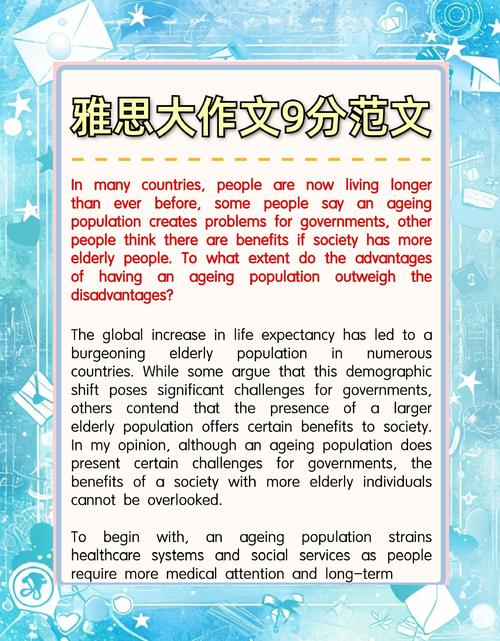
- “While countries like Japan and Germany have successfully addressed aging populations through proactive immigration policies, nations such as Italy have struggled with labor shortages due to their restrictive immigration laws, demonstrating the critical role of policy flexibility in demographic challenges.”
- “In contrast to the fast-food culture prevalent in the United States, Mediterranean countries’ emphasis on fresh ingredients and communal dining has been linked to lower rates of obesity and higher life expectancy, underscoring the cultural impact on dietary habits.”
引用类例句:增强论证权威性
引用类例句通过名人名言、专家观点或法律条文/政策文件,提升论证的权威性,适合讨论价值观、伦理或政策类话题。
- 积累方向:积累名人名言(如爱因斯坦、孔子)、专家观点(如心理学家、经济学家)或国际公约(如《巴黎协定》)。
- 例句示范:
- “As the renowned psychologist Albert Einstein once said, ‘Imagination is more important than knowledge,’ which suggests that education systems should prioritize fostering creativity over rote memorization to prepare students for future uncertainties.”
- “Article 12 of the United Nations Convention on the Rights of the Child explicitly states that children have the right to express their views freely in all matters affecting them, a principle that many schools still fail to implement in practice.”
例句的实战运用技巧
积累例句后,需结合论证逻辑灵活运用,避免“生搬硬套”,以下技巧可帮助考生高效整合例句:
例句与观点的“三步匹配法”
优质例句需服务于观点,遵循“观点句-例句-解释”的结构:
- 观点句:明确提出分论点(如“政府应加大对公共交通的投入”)。
- 例句:提供具体案例(如“如新加坡通过建设高效的地铁网络,将私家车使用率降低了30%,同时减少了20%的交通碳排放”)。
- 解释:分析例句如何支撑观点(如“这一案例证明,公共交通的完善能有效缓解交通拥堵和环境污染,政府投资具有显著的社会效益”)。
例句的“本土化改造”
直接背诵模板化例句易被判“套句”,需结合题目语境进行个性化改造,讨论“旅游对文化的影响”时,可积累“巴厘岛旅游商业化导致传统文化流失”的案例,但需根据题目具体要求(如“是否应限制旅游”)调整例句的侧重点:
- 若支持“限制旅游”,可改为:“The over-commercialization of Bali’s tourism industry, evidenced by the transformation of traditional villages into resort clusters, has led to a 50% decline in local cultural practices, justifying the need for stricter tourism regulations.”
- 若反对“限制旅游”,可改为:“While concerns about cultural erosion exist, Bali’s experience shows that well-managed tourism—such as the ‘Cultural Village’ program that trains locals to preserve traditional crafts—can actually revitalize heritage, with cultural tourism revenue increasing by 60% since 2025.”
例句的“句式多样化”
避免例句句式单一,可通过调整句式结构提升语言表现力:
- 简单句+复杂句结合:先以简单句呈现核心案例,再用复杂句补充细节(如“Denmark ranks as the happiest country in the world for six consecutive years. This achievement, attributed to its robust welfare system and work-life balance policies, reflects the critical role of social support in national well-being.”)。
- 倒装句强调:将案例中的核心信息前置(如“Not only has Finland abolished standardized testing in primary schools, but it has also integrated phenomenon-based learning into the curriculum, a move that has boosted students’ problem-solving abilities by 35%.”)。
例句运用的常见误区
例句堆砌,缺乏逻辑
部分考生为追求“字数”或“内容丰富度”,在段落中堆砌3-4个例句,却未分析其与观点的关联,导致论证碎片化。解决方法:每个主体段落聚焦1-2个核心例句,深入分析其内涵,确保“例句-观点”紧密呼应。
例句过于陈旧或模糊
使用“如中国改革开放”“工业革命”等过于宽泛的案例,或引用过时数据(如“10年前的调查”),会降低论证可信度。解决方法:积累近3年内的热点案例和数据,并确保例句中的具体信息(如国家、时间、数据)准确无误。
例句语言不准确
为追求“高级感”,生搬硬套复杂词汇或句式,导致例句语法错误或逻辑混乱。解决方法:优先保证例句的语言准确性,再逐步提升句式复杂度;可借助语料库(如COCA、BNC)验证词汇搭配的合理性。
相关问答FAQs
Q1:如何避免例句被考官视为“模板化”表达?
A:避免例句模板化的关键在于“个性化改造”,具体方法包括:(1)结合题目具体要求调整例句的侧重点,而非直接使用背诵的原文;(2)增加例句中的具体细节(如数据、地点、政策名称),增强独特性;(3)使用多样化的句式结构,避免固定开头(如“For example……”),讨论“科技对教育的影响”时,可不说“如在线教育平台”,而是具体化为“如中国‘慕课’平台自2025年上线以来,已累计注册用户超4亿,使偏远地区学生能接触到清华、北大等高校的课程资源”,这样的例句更具个性化和说服力。
Q2:如果缺乏相关话题的例句储备,考试时如何应对?
A:即使缺乏直接储备,也可通过“逻辑推导+常识联想”生成合理例句,具体步骤:(1)明确观点的核心要素(如“政府应保护历史建筑”中的“政府”“保护”“历史建筑”);(2)联想与核心要素相关的常识场景(如“历史建筑改造为博物馆”“政府出台修复政策”);(3)补充合理细节(如“在意大利,政府规定历史建筑改造需保留80%的原有结构,并通过税收优惠鼓励私人参与修复,使近万栋濒危建筑得以保护”),关键在于例句需符合逻辑常识,避免编造明显虚假的数据或事件,同时通过“如”““以……为例”等引导词自然融入论证。