小学生防疫小常识英文
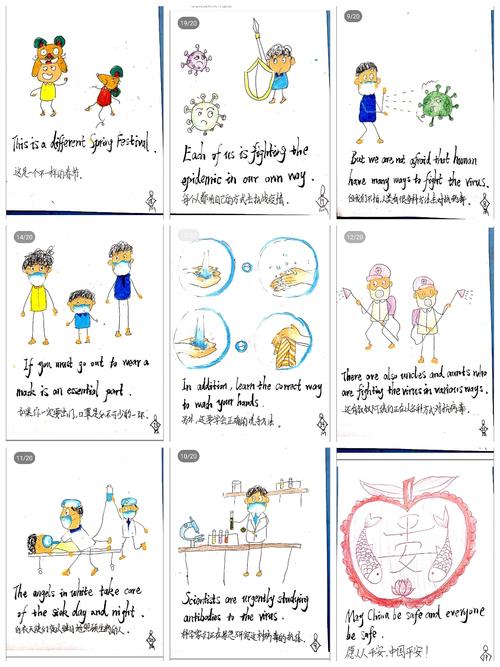
As the world continues to navigate the challenges of infectious diseases, it is essential to equip children with the knowledge and habits to protect themselves and others. Primary school students, in particular, need age-appropriate guidance on staying safe and healthy. This article provides a comprehensive overview of basic防疫 (fángyì, epidemic prevention) tips in English, presented in a clear and structured manner to help young learners understand and practice good hygiene habits.
Everyday Hygiene Habits
Good hygiene is the first line of defense against germs. Teaching children these simple habits can significantly reduce the risk of illness.
- Handwashing: Hands come into contact with countless germs throughout the day. Encourage children to wash their hands with soap and water for at least 20 seconds, especially before eating, after using the restroom, and after coughing or sneezing. A fun way to remember this is to sing the "Happy Birthday" song twice while washing.
- Using Hand Sanitizer: When soap and water are unavailable, alcohol-based hand sanitizer (with at least 60% alcohol) can be used. Remind children to use a dime-sized amount and rub it until their hands are dry.
- Covering Coughs and Sneezes: Teach children to cough or sneeze into their elbow or a tissue, not their hands. This prevents germs from spreading to surfaces or other people. Used tissues should be thrown away immediately, and hands should be washed afterward.
Wearing Masks Correctly
Masks are an important tool to prevent the spread of respiratory illnesses. Here’s how to help children wear masks properly:
- Choose the Right Mask: Use masks that fit snugly over the nose, mouth, and chin. Avoid masks with valves, as they do not prevent the wearer from spreading germs.
- Wear It Consistently: Masks should be worn in crowded places, public transportation, or when advised by health authorities.
- Keep It Clean: Replace masks when they become damp, dirty, or after wearing them for a long time. Cloth masks should be washed regularly with soap and water.
Social Distancing and Space Awareness
Keeping a safe distance from others helps reduce the spread of germs. Children should be taught to:
- Stay Apart: Maintain at least 1 meter (3 feet) distance from people who are coughing or sneezing.
- Avoid Crowds: Limit time in crowded spaces, especially during peak illness seasons.
- Play Safely: Encourage outdoor activities where distancing is easier. If playing indoors, ensure good ventilation by opening windows.
Boosting Immunity Through Healthy Habits
A strong immune system helps the body fight off infections. Parents and teachers can promote these habits:
- Balanced Diet: Encourage eating fruits, vegetables, whole grains, and protein-rich foods. Vitamin C-rich foods like oranges, strawberries, and bell peppers are particularly beneficial.
- Regular Exercise: Physical activity strengthens the immune system. Children should aim for at least 60 minutes of moderate exercise daily, such as running, cycling, or playing sports.
- Adequate Sleep: Lack of sleep weakens immunity. Ensure children get the recommended hours of sleep for their age (9-12 hours for primary school students).
- Stay Hydrated: Drinking plenty of water helps flush out toxins and keeps the body functioning well.
Recognizing Symptoms and Staying Home When Sick
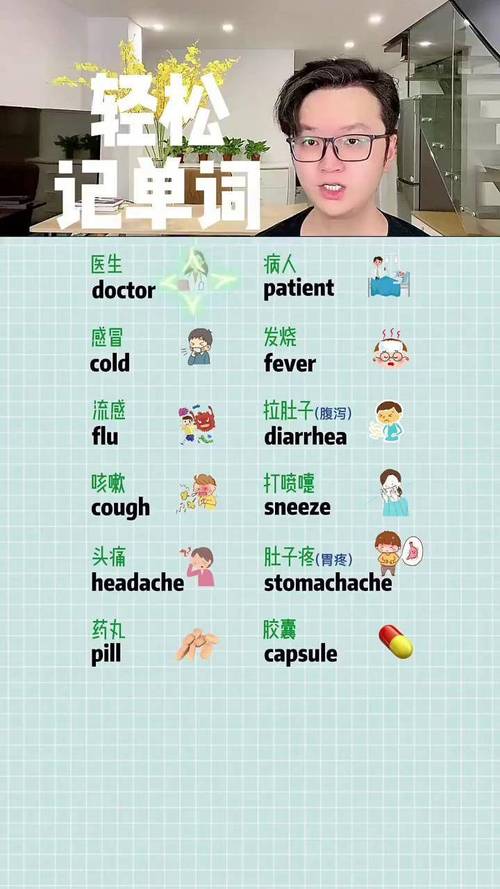
Early detection of illness is key to preventing its spread. Teach children to recognize common symptoms, such as:
- Fever or chills
- Cough or sore throat
- Runny or stuffy nose
- Fatigue
- Muscle or body aches
If a child feels unwell, they should stay home from school to avoid infecting others. Parents should consult a healthcare provider if symptoms persist or worsen.
Keeping the Environment Clean
A clean environment reduces the risk of germs spreading. Simple steps include:
- Disinfect Surfaces: Regularly clean and disinfect frequently touched objects like doorknobs, desks, and toys.
- Good Ventilation: Open windows to allow fresh air to circulate, especially in classrooms or shared spaces.
- Avoid Sharing Personal Items: Teach children not to share items like water bottles, utensils, or towels.
Summary Table of Key Prevention Tips
| Category | Key Actions |
|---|---|
| Hygiene | Wash hands with soap for 20 seconds; cover coughs; use hand sanitizer when needed. |
| Mask Use | Wear a well-fitting mask; replace when dirty; wash cloth masks regularly. |
| Social Distancing | Stay 1 meter apart; avoid crowds; play outdoors when possible. |
| Healthy Habits | Eat fruits/vegetables; exercise daily; get enough sleep; drink water. |
| Sick Days | Stay home if unwell; recognize symptoms; consult a doctor if needed. |
| Clean Environment | Disinfect surfaces; open windows; avoid sharing personal items. |
FAQs
Q1: How can I make handwashing fun for my child?
A1: Turn handwashing into a game by using colorful soaps, singing songs, or using timers. You can also create a sticker chart to reward consistent handwashing habits.
Q2: What should I do if my child refuses to wear a mask?
A2: Explain why masks are important in simple terms, let them choose a mask with a favorite design, and practice wearing it at home for short periods. Praise their efforts to encourage compliance.
By following these guidelines, children can develop lifelong habits that protect their health and the health of those around them. Consistency and positive reinforcement are key to making these practices stick.