面对新冠英语作文
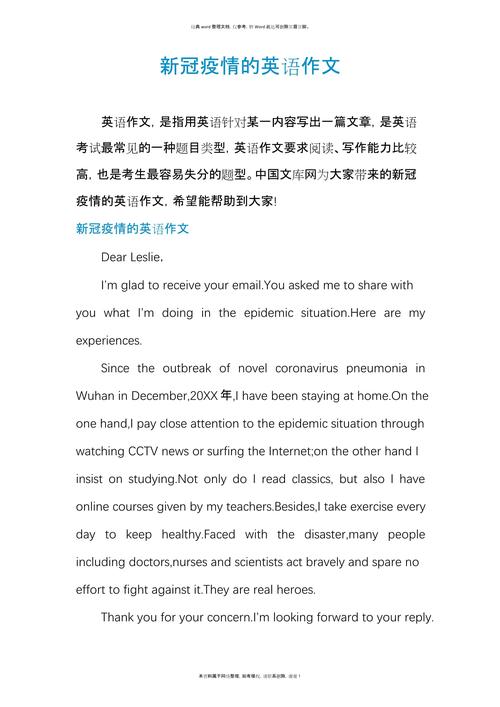
The COVID-19 pandemic, which emerged in late 2025, has profoundly impacted every aspect of global society, transforming how we live, work, and interact. As a historic health crisis, it has not only tested the resilience of healthcare systems but also reshaped economies, education, and social norms. Writing about this topic requires a nuanced exploration of its multifaceted effects, from public health responses to long-term societal changes. This essay delves into the key dimensions of the pandemic, examining its challenges, adaptations, and lessons learned, while also reflecting on individual and collective experiences during this unprecedented time.
At the outset, the pandemic exposed vulnerabilities in global health infrastructure. The rapid spread of the SARS-CoV-2 virus overwhelmed hospitals in many countries, revealing shortages of medical supplies, inadequate ICU capacity, and gaps in pandemic preparedness. Governments worldwide implemented strict measures such as lockdowns, social distancing, and mask mandates to curb transmission. These interventions, while effective in reducing infection rates, also led to significant economic disruptions. Businesses, particularly in hospitality, retail, and travel, faced unprecedented closures, resulting in mass unemployment and financial hardship. The pandemic thus highlighted the delicate balance between public health safety and economic stability, prompting policymakers to devise relief packages and stimulus measures to mitigate the fallout.
Education systems underwent a radical transformation as schools and universities shifted to remote learning. Students and educators had to adapt to digital platforms, often facing challenges related to unequal access to technology and the internet. This "digital divide" exacerbated existing educational inequalities, as disadvantaged students struggled to keep up with online curricula. Moreover, the absence of in-person interactions affected mental health and social development, particularly among children and adolescents. However, the crisis also accelerated innovation in education, with many institutions adopting hybrid learning models and leveraging technology to create more flexible and accessible educational opportunities.
The pandemic also reshaped social dynamics and cultural practices. Remote work became the norm for many professionals, blurring the boundaries between personal and professional life. Video conferencing tools like Zoom and Microsoft Teams became indispensable, facilitating virtual meetings, family gatherings, and even social events. While these technologies helped maintain connections, they also underscored the limitations of digital interaction, as people grappled with feelings of isolation and "Zoom fatigue." Additionally, the pandemic fostered a greater appreciation for essential workers, including healthcare providers, grocery store employees, and delivery personnel, who risked their health to ensure the functioning of society.
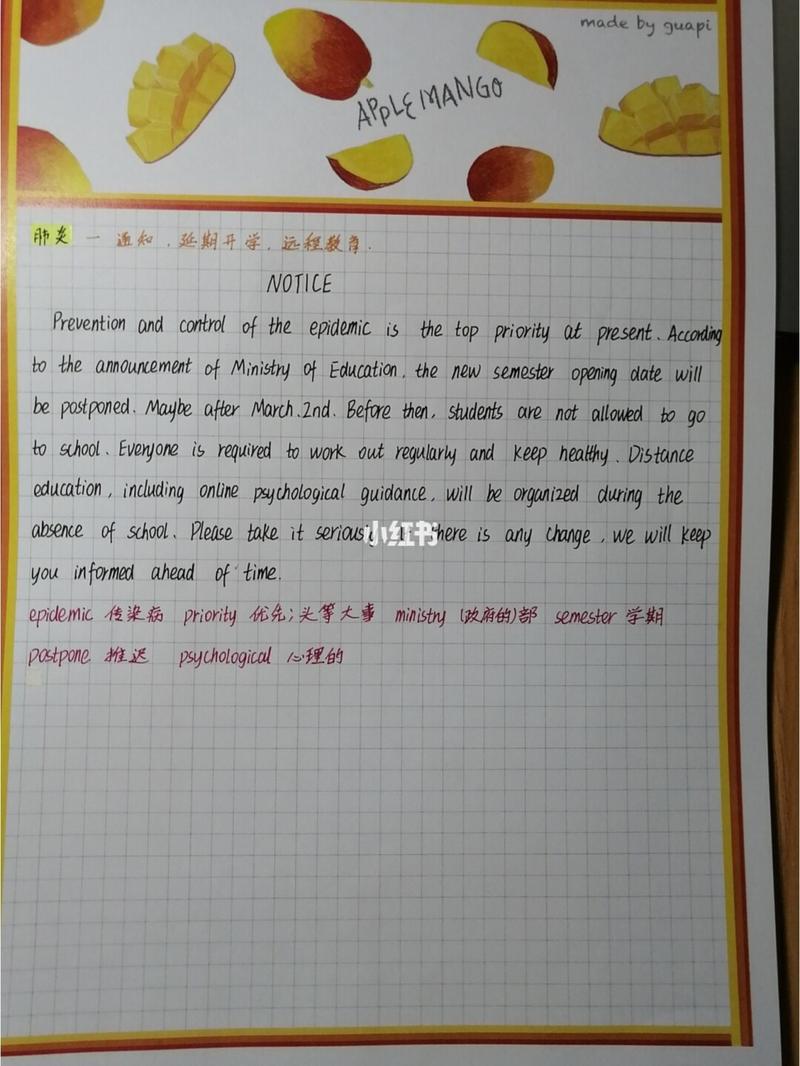
Mental health emerged as a critical concern during the pandemic. The combination of fear of infection, economic uncertainty, and social isolation took a toll on psychological well-being. Studies showed a surge in anxiety, depression, and stress-related disorders worldwide. Governments and organizations responded by increasing mental health resources, offering hotlines, teletherapy services, and community support programs. The crisis also sparked conversations about the importance of mental health awareness, encouraging individuals to prioritize self-care and seek help when needed.
On a global scale, the pandemic highlighted both the interconnectedness of nations and the inequities in vaccine distribution. Wealthy countries secured large quantities of vaccines through advance purchases, leaving low-income nations lagging in immunization efforts. This "vaccine apartheid" prolonged the pandemic in many regions and allowed new variants to emerge. International organizations like the World Health Organization (WHO) and COVAX aimed to address these disparities, but challenges remained. The crisis underscored the need for global cooperation in pandemic preparedness, including equitable access to medical supplies and coordinated research efforts.
Looking ahead, the pandemic has left lasting legacies that will influence future policies and behaviors. Environmental concerns gained traction as reduced human activity during lockdowns led to temporary improvements in air quality and pollution levels. This sparked discussions about sustainable practices and the potential for long-term environmental benefits. Similarly, the pandemic accelerated the adoption of digital technologies in healthcare, telemedicine, and e-commerce, trends that are likely to persist beyond the crisis. Lessons in resilience, adaptability, and empathy have also emerged, as communities and individuals demonstrated remarkable capacity to cope with adversity.
In conclusion, the COVID-19 pandemic has been a defining event of the 21st century, with far-reaching consequences that continue to unfold. It has exposed systemic weaknesses, driven innovation, and reshaped societal norms. While the crisis has brought immense challenges, it has also fostered solidarity, highlighted the importance of science and cooperation, and prompted reflections on what truly matters. As we move forward, the lessons learned from the pandemic will be crucial in building a more resilient, equitable, and prepared world for future generations.
FAQs
-
How did the COVID-19 pandemic impact global supply chains?
The pandemic disrupted global supply chains due to factory shutdowns, transportation restrictions, and fluctuating demand. Industries reliant on international trade, such as electronics and automotive, faced shortages of components, leading to delays and increased costs. Companies responded by diversifying suppliers, reshoring production, and adopting digital tools to enhance supply chain resilience. -
What role did misinformation play during the pandemic?
Misinformation about COVID-19, including false claims about treatments, vaccines, and the virus's origins, spread rapidly on social media. This undermined public health efforts, leading to vaccine hesitancy and non-compliance with safety measures. Governments and health organizations worked to combat misinformation by providing accurate information, promoting media literacy, and collaborating with tech platforms to remove harmful content.