
The dragon, a mythical creature deeply rooted in the cultural fabric of civilizations across the globe, has transcended its origins as a mere symbol to become a multifaceted icon representing power, wisdom, and the mysteries of the natural world. From the majestic, serpentine dragons of East Asian folklore to the fire-breathing beasts of European legends, this creature has captivated human imagination for millennia, evolving in meaning and form as it traverses different cultures and historical epochs.
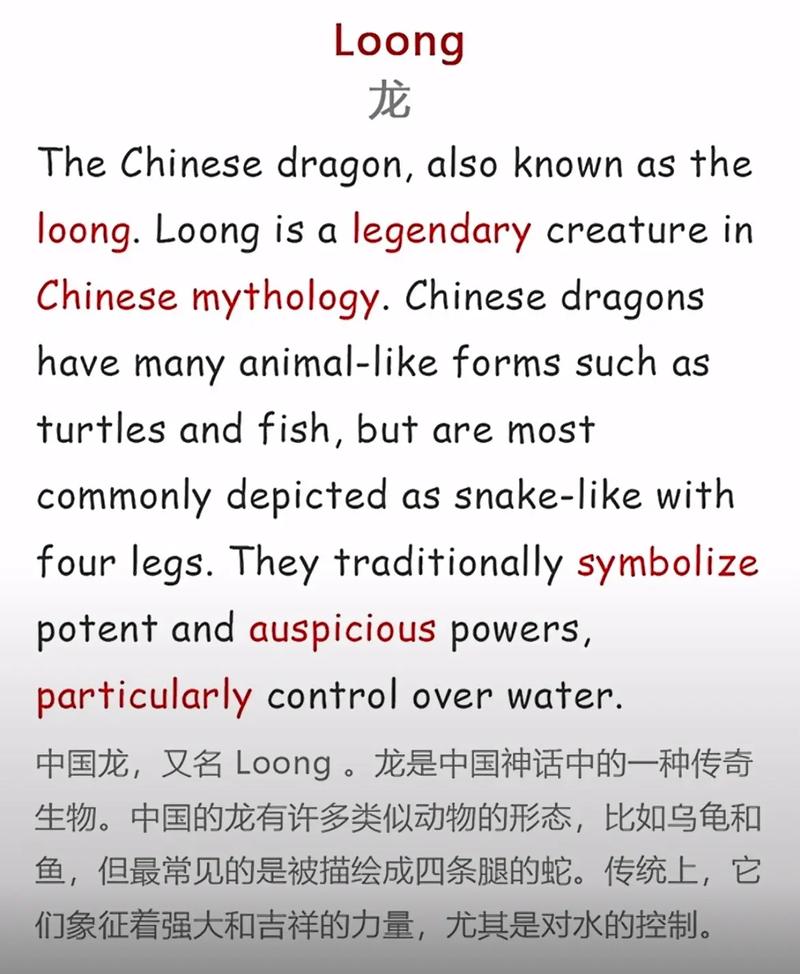
In Chinese culture, the dragon, or Lóng (龙), is a revered and auspicious symbol, far removed from the malevolent depictions seen in Western traditions. Unlike the destructive, monster-like dragons of European stories, Chinese dragons are benevolent deities associated with water, rainfall, and agricultural prosperity. They are believed to control rivers, seas, and weather, making them essential figures in agrarian societies where rainfall determined survival. The dragon’s image is intricately woven into Chinese art, festivals, and national identity, embodying strength, good fortune, and imperial authority. Historically, the dragon was the exclusive symbol of the emperor, who was referred to as the “True Dragon, Son of Heaven,” emphasizing divine right and supreme power. Today, dragons remain central to cultural celebrations, such as the Dragon Boat Festival and Chinese New Year, where dragon dances are performed to ward off evil spirits and bring luck. The dragon’s nine sons, each with unique traits and roles, further illustrate its complexity in Chinese mythology, reflecting diverse values like filial piety, craftsmanship, and protection.
In contrast, European dragons, often depicted as winged, scaly beasts with the ability to breathe fire, have historically symbolized chaos, greed, and evil. These creatures are frequently portrayed as hoarding treasure and terrorizing villages, requiring brave knights or heroes to slay them, as seen in legends like Beowulf or Saint George and the Dragon. This portrayal likely stems from early human encounters with large reptiles, such as crocodiles or Komodo dragons, which were exaggerated in storytelling to embody threats to civilization. Over time, the European dragon became a metaphor for overcoming adversity, with its defeat representing the triumph of good over evil. However, in recent decades, there has been a shift in perception, with modern fantasy literature and media, such as How to Train Your Dragon, reimagining dragons as intelligent, loyal companions, blurring the lines between monster and ally.
Beyond East and West, dragons appear in diverse forms across cultures, each carrying unique symbolic weight. In Hindu mythology, the Shesha is a serpent-dragon that supports the god Vishnu, representing cosmic order and eternity. In Norse mythology, the World Serpent, Jörmungandr, is a massive dragon that encircles the earth, symbolizing primordial power and the cycle of creation and destruction. Indigenous cultures in the Americas also have dragon-like figures, such as the feathered serpent Quetzalcoatl in Mesoamerican mythology, associated with wind, wisdom, and creation. These variations highlight how dragons serve as cultural mirrors, reflecting each society’s relationship with nature, spirituality, and power.
The enduring appeal of dragons lies in their adaptability and symbolism. They embody humanity’s dualistic view of nature—both life-giving and destructive, nurturing and terrifying. In contemporary times, dragons continue to permeate popular culture, from blockbuster films like Harry Potter and The Hobbit to video games and fashion. Their image is used to evoke a sense of awe and wonder, reminding people of the mysteries that lie beyond the mundane. Moreover, dragons have become symbols of environmental conservation, with organizations using the dragon to represent the protection of endangered species and natural habitats, linking ancient mythology to modern ecological concerns.
Despite their mythical status, dragons have also influenced language and idioms. In English, phrases like “slew the dragon” describe overcoming a significant challenge, while “dragon lady” refers to a fierce, intimidating woman. In Chinese, idioms like “望子成龙” (wàng zǐ chéng lóng), or “hoping one’s son becomes a dragon,” express aspirations for success and excellence. These linguistic uses demonstrate how deeply dragons are embedded in daily discourse, shaping cultural attitudes and values.
In conclusion, the dragon is a universal symbol that transcends cultural and temporal boundaries. Whether as a benevolent deity in China, a fearsome adversary in Europe, or a cosmic force in Hindu mythology, dragons reflect the human tendency to personify natural phenomena and explore complex themes of power, morality, and existence. Their evolution from ancient myths to modern icons underscores their timeless relevance, proving that these mythical creatures will continue to inspire and intrigue generations to come.
FAQs
-
What is the difference between Chinese dragons and European dragons?
Chinese dragons (Lóng) are benevolent, wingless creatures associated with water, rainfall, and good fortune, often symbolizing imperial power and prosperity. In contrast, European dragons are typically depicted as malevolent, winged beasts that breathe fire, hoard treasure, and represent chaos or evil, requiring heroes to defeat them. (图片来源网络,侵删)
 -
Why are dragons considered important symbols in modern culture?
Dragons remain relevant in modern culture due to their adaptability as symbols of power, wisdom, and mystery. They are used in media to evoke wonder, reflect environmental concerns, and explore themes of good versus evil. Additionally, their presence in festivals, art, and language keeps them connected to cultural heritage, ensuring their continued significance in contemporary society.