,无论是朋友间的日常问候、医生问诊,还是健身时的交流,都离不开健康相关的表达,掌握这些口语表达不仅能帮助流利沟通,还能更好地关注自身和他人健康,以下将从日常健康交流、常见疾病表达、健康生活方式、就医场景及健身运动五个方面,详细解析英语口语中关于健康的表达,并辅以表格归纳重点内容。
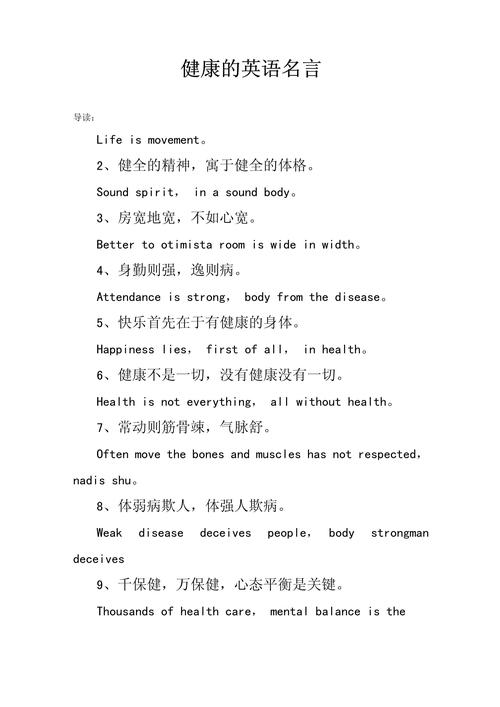
日常健康交流的常用表达
日常对话中,人们常以身体状况作为寒暄话题,例如见面时问“How are you feeling today?”(你今天感觉怎么样?),回答可以用“I'm feeling great!”(我感觉很好!)或“I'm a bit under the weather.”(我有点不舒服),如果对方提到身体不适,可以说“I'm sorry to hear that. Hope you feel better soon.”(听到这个很难过,希望你快点好起来),描述具体感受时,可用“I have a slight headache.”(我有点头痛)、“My throat is sore.”(我喉咙疼)或“I've been feeling tired lately.”(我最近总觉得累),关心他人健康时,常用“Have you been getting enough rest?”(你休息得够吗?)、“Are you eating well?”(你吃得健康吗?)等问句,体现细致的关怀。
常见疾病的口语表达
当身体出现不适,需要准确描述症状才能更好地获得帮助,感冒发烧时,可以说“I think I caught a cold. I'm sneezing and have a runny nose.”(我觉得感冒了,一直在打喷嚏、流鼻涕);发烧则用“I have a fever. My temperature is 38.5℃.”(我发烧了,体温38.5℃),肠胃问题方面,“I've had an upset stomach since yesterday.”(我从昨天开始就胃不舒服)、“I feel nauseous and might throw up.”(我觉得恶心,想吐),如果是慢性症状,如过敏,可说“I'm allergic to pollen. My eyes get itchy every spring.”(我对花粉过敏,每年春天眼睛都会发痒);失眠则用“I've been having trouble sleeping lately.”(我最近一直睡不好),以下表格归纳了常见疾病的症状及表达:
| 疾病类型 | 常见症状 | 英语口语表达 |
|---|---|---|
| 感冒 | 打喷嚏、流鼻涕、喉咙痛 | I have a runny nose and a sore throat. |
| 发烧 | 体温升高、身体发冷 | I've got a high fever and chills. |
| 肠胃炎 | 腹泻、恶心、呕吐 | I've been vomiting and have diarrhea. |
| 头痛 | 头部胀痛、刺痛 | I'm experiencing a throbbing headache. |
| 过敏 | 皮肤发痒、红肿 | My skin is itchy and breaking out in hives. |
健康生活方式的讨论
保持健康需要养成良好习惯,口语中常涉及饮食、运动和作息的讨论,饮食方面,推荐健康饮食可说“You should eat more vegetables and less junk food.”(你应该多吃蔬菜、少吃垃圾食品);描述均衡饮食为“I try to have a balanced diet with protein, carbs, and fruits.”(我尽量摄入蛋白质、碳水和水果,保持饮食均衡),运动习惯上,常用“I work out three times a week to stay in shape.”(我每周运动三次来保持身材)、“I enjoy yoga because it helps me relax.”(我喜欢瑜伽,因为它能让我放松),作息建议方面,“It's important to get at least 7 hours of sleep every night.”(每晚睡够7小时很重要)、“Avoid staying up late if you want to have good energy.”(如果想保持精力充沛,别熬夜),戒除不良习惯的表达也很实用,如“Quitting smoking is good for your lungs.”(戒烟对肺有好处)、“Drinking too much alcohol is harmful to your liver.”(过量饮酒伤肝)。
就医场景的实用对话
就医时,清晰描述病情和与医生沟通至关重要,初诊时,医生会问“What seems to be the problem?”(你哪里不舒服?),患者可回答“I've had a cough for over a week, and it's getting worse.”(我咳嗽一周多了,越来越严重),描述疼痛程度时,可用“I'm in constant pain.”(我一直疼)或“The pain is occasional but sharp.”(疼痛是阵发性的,但很刺痛),医生可能会建议检查或用药,“I need to run some tests.”(我需要做一些检查)、“Take this medicine twice a day after meals.”(这个药一天两次,饭后服用),患者需确认用药细节,“Should I avoid any foods while taking this medicine?”(吃药期间有什么需要忌口的吗?)、“How long will it take to feel better?”(多久会好起来?),复诊时,可说“The medicine worked, but I still feel a bit dizzy.”(药有效,但我还是有点晕),以便医生调整治疗方案。
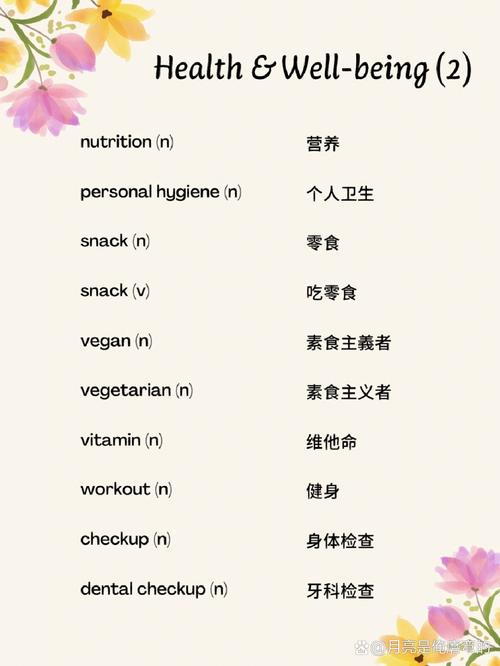
健身与运动中的口语交流
在健身房或运动时,关于健康的表达也很常见,讨论运动目标时,“I'm trying to build muscle.”(我想要增肌)、“I want to lose weight and improve my endurance.”(我想减肥、提升耐力),使用器械时,可询问“Is this machine taken?”(这个器械有人用吗?)、“How do you adjust the resistance on this treadmill?”(这台跑步机的阻力怎么调?),运动感受方面,“I'm so sore today after yesterday's workout.”(昨天练完今天浑身酸痛)、“This exercise really targets my core.”(这个动作能很好地锻炼核心肌群),运动后恢复的建议也很实用,“Remember to stretch after exercising to prevent injury.”(运动后记得拉伸,避免受伤)、“Drink plenty of water to rehydrate.”(多喝水补充水分)。
相关问答FAQs
Q1: 如何用英语口语区分“感冒”和“流感”?
A1: 感冒(common cold)通常症状较轻,如流鼻涕、打喷嚏、轻微喉咙痛,口语中可说“I have a runny nose and sneezing, probably just a cold.”;流感(flu)症状更严重,常伴有高烧、全身酸痛、乏力,I've got a high fever, body aches, and can't get out of bed—I think it's the flu.” 区分关键在于是否发烧和全身症状的严重程度。
Q2: 在英语口语中,如何委婉表达“亚健康”状态?
A2: 亚健康可译为“sub-health”或“being in a low-energy state”,口语中常用委婉表达,如“I've been feeling run down lately.”(我最近总觉得疲惫不堪)、“I'm not sick, but I don't have much energy either.”(我没生病,但也没什么精力)、“My body feels out of balance.”(我感觉身体失衡了),这些表达既说明了状态,又避免了过度担忧的语气。