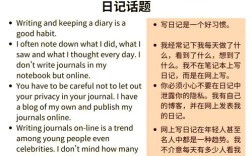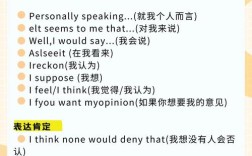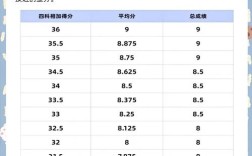
雅思口语考试作为国际语言能力测试的重要组成部分,其话题的时效性和生活化特征一直是考生关注的焦点,2025年5月30日的雅思口语考试延续了近年来的话题趋势,涵盖了个人经历、社会现象、文化对比等多个维度,旨在全面考察考生的语言表达能力、逻辑思维能力和跨文化交际意识,以下将结合当季高频话题,从话题解析、词汇拓展、句式示范和备考策略四个方面展开详细分析,帮助考生更有针对性地进行备考。
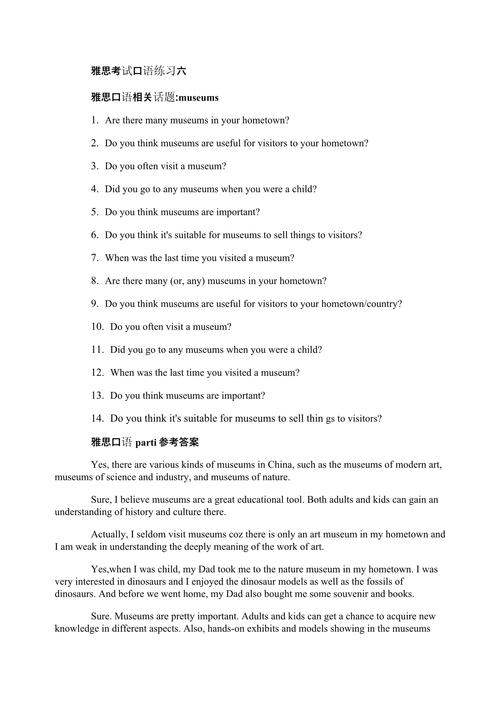
当季口语话题深度解析
根据5月30日雅思口语考试反馈,Part 1部分延续了高频生活化话题,如"日常活动""休闲方式""天气影响"等;Part 2新增了"一次难忘的旅行经历""一本喜欢的书"等个人经历类话题;Part 3则围绕"旅行意义""阅读价值""科技影响"等社会议题展开深度讨论,这些话题不仅贴近生活,更强调考生对现象背后的逻辑分析和观点输出能力。
以Part 2话题"Describe a time you helped someone"为例,考生需要构建完整的叙事框架:事件起因(如朋友考试失利)、具体行动(如分享笔记、模拟面试)、对方反应(情绪变化、成绩提升)及个人感悟(助人为乐的价值),值得注意的是,考官更关注故事的细节真实性和情感表达,而非情节的戏剧性,在描述帮助过程时,可加入"I noticed she was struggling with essay structure, so I created a mind map template to help her organize ideas"这样的具体行为,而非简单提及"I helped her study"。
核心词汇与短语拓展
针对当季话题,以下分类整理了高频词汇及搭配,帮助考生提升表达的准确性和丰富度:
休闲活动类
- 休闲方式:leisure pursuit, pastime, hobbyist, unwind, recharge
- 户外活动:hiking enthusiast, camping gear, scenic spot, nature immersion
- 文化体验:art exhibition, cultural immersion, live performance, heritage site
个人成长类
- 技能学习:master a skill, build confidence, overcome challenges, step out of comfort zone
- 品质培养:perseverance, resilience, time management, problem-solving ability
- 自我反思:self-assessment, personal growth, life lesson, epiphany
社会现象类
- 科技影响:digital detox, screen time, technological advancement, virtual interaction
- 环境保护:sustainable living, eco-friendly practice, carbon footprint, environmental awareness
- 文化差异:cultural diversity, cross-cultural communication, tradition preservation, globalization
示例应用:在讨论"喜欢的休闲方式"时,可使用:"I'm an avid fan of hiking because it allows me to immerse myself in nature while recharging my mind after a hectic week." 这样的表达既展示了词汇量,又体现了逻辑连贯性。
高分句式与逻辑连接示范
雅思口语评分标准中"语法多样性"和"连贯性"占据重要比重,以下推荐几种实用句式及连接词:
复合句结构
- 原因状语从句:The reason why I prefer reading to watching TV is that it stimulates my imagination more effectively.
- 让步状语从句:Although online learning offers convenience, I still believe face-to-face interaction is irreplaceable.
- 结果状语从句:The documentary was so inspiring that I decided to adopt a more sustainable lifestyle afterward.
非谓语动词结构
- 分词作状语:Feeling overwhelmed by the workload, I decided to break the task into smaller steps.
- 动名词作主语:Learning a new language has not only expanded my career opportunities but also broadened my cultural horizons.
逻辑连接词
- 递进:moreover, furthermore, what's more
- 转折:however, on the contrary, nevertheless
- 举例:for instance, to illustrate, a case in point is
示范段落:
"When it comes to choosing a career, I believe personal interest should be the priority. This is because passion fuels perseverance during challenging times. For instance, my cousin pursued music despite his parents' opposition, and now he's a successful composer. On the contrary, those who choose high-paying jobs without passion often end up feeling unfulfilled."
分阶段备考策略建议
Part 1:自然交流,避免背诵
- 答题时长控制在40-50秒,采用"观点+解释+例子"结构
- 针对高频话题(如hometown, work/study)准备2-3个个性化细节
- 避免使用"Yes/No"简单回答,可加入"I'm not really into... but I do enjoy..."等转折表达
Part 2:故事构建,细节填充
- 使用4-5个关键词构建故事框架(人物、地点、事件、感受、启示)
- 加入具体数据(时间、数量、频率)增强真实感,如"I spent three weeks preparing for the presentation"
- 运用感官描写(视觉、听觉、触觉)让场景更生动,如"The aroma of fresh bread filled the tiny bakery"
Part 3:深度讨论,观点辩证
- 采用"观点-解释-反方观点-的辩证结构
- 引入社会现象或个人经历作为论据,如"In my country, there's a growing trend of..."
- 使用情态动词表达不确定性,如"Perhaps...", "It might be argued that..."
备考时间分配建议:
| 备考阶段 | 重点内容 | 时间分配 |
|----------|----------|----------|
| 基础夯实 | 发音纠正、基础词汇积累 | 每日1-2小时 |
| 话题训练 | Part 1-3话题串讲 | 每周3-4个话题 |
| 模拟考试 | 限时练习、录音反馈 | 每周1-2次 |
| 弱项突破 | 针对性语法训练、逻辑衔接 | 每日30分钟 |
相关问答FAQs
Q1: 雅思口语考试中遇到不熟悉的话题应该如何应对?
A1: 遇到陌生话题时,可采取"话题关联法":首先将陌生话题与自己熟悉的生活经验建立联系,例如被问及"不喜欢的传统节日"时,可转而讨论"现代人对传统节日仪式感淡化的现象",使用模糊表达争取思考时间,如"That's an interesting question. Let me think..."或"I'm not entirely familiar with this topic, but from my perspective...",确保回答的核心是语言表达而非内容准确性,考官更关注你的语法、词汇和流利度。
Q2: 如何在口语考试中展示词汇丰富性而不显得刻意?
A2: 自然运用高级词汇的关键在于"语境适配"和"搭配准确",优先掌握动词短语和固定搭配(如"give rise to"而非简单使用"cause"),这些表达更符合英语母语者的习惯,通过同义替换避免重复,例如描述"重要"时交替使用"crucial", "vital", "indispensable",在保证准确性的前提下使用词汇,不确定时可选择简单但正确的表达,避免因词汇错误导致扣分,建议在备考时建立"话题词汇库",按场景分类记忆并造句练习。