在雅思写作考试中,小作文作为开篇第一部分,其首段的表现直接影响考官对考生语言能力的第一印象,许多考生习惯机械照抄题目中的原句,这不仅浪费了展示语言灵活性的宝贵机会,也可能在“任务完成”评分项上失分,一个精炼、准确且经过巧妙改写的首段,能迅速建立专业形象,为整篇作文奠定扎实的基调。
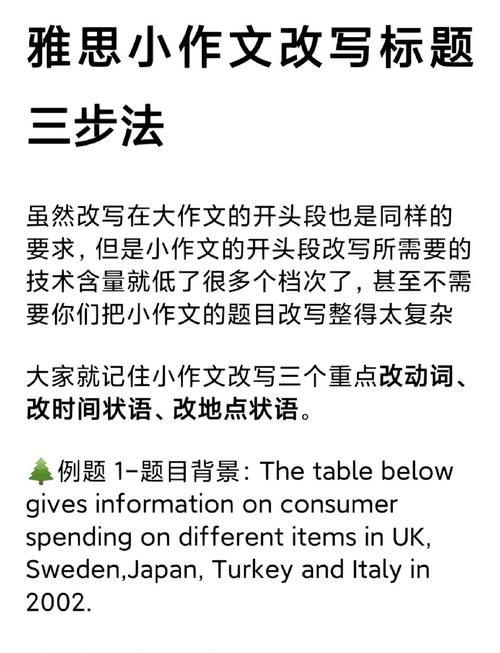
首段的核心任务在于用简洁的语言,清晰介绍图表的核心信息,即“这是什么图”、“描述了何时何地的什么数据”,改写绝非简单替换同义词,而是对题目信息进行结构重组和表述升级,展现你对信息的理解和驾驭能力。
掌握核心改写维度
成功的改写通常从以下几个维度展开:
-
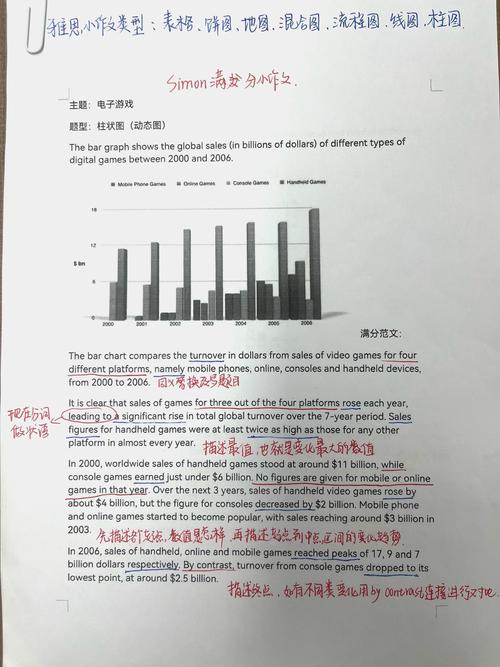
图表类型词汇多样化:避免重复使用“graph”或“chart”,需要根据具体图形准确选用词汇。
 (图片来源网络,侵删)
- 线状图:Line graph, line chart
- 柱状图:Bar chart, bar graph, column chart
- 饼状图:Pie chart
- 表格:Table
- 流程图:Diagram, process diagram
- 地图:Map
-
动词的精准选择:描述图表“展示了什么”时,动词是关键。
- 基础动词:Show, illustrate, give information about
- 进阶动词:Compare(用于对比数据), depict, present, outline, summarize
- 流程动词:Describe the process of, illustrate the stages in
-
主语与结构的灵活调整:改变句子的主语和结构是体现句式复杂性的重要手段。
- 题目原句:The graph below shows the consumption of three types of fast food in the UK from 1970 to 1990.
- 改写角度一(改变主语):The consumption trends of three fast food categories in the UK between 1970 and 1990 are illustrated in the line graph.
- 改写角度二(使用形式主语):It is clear from the line graph how the consumption patterns of three fast food types changed in the UK over a 20-year period from 1970.
-
时间与范畴的整合表达:将题目中的时间、地点等信息自然融入,避免写成碎片化的列表。
- 原句信息:…in three countries (Japan, Sweden, UK) from 2000 to 2020.
- 整合改写:…compares the trends in Japan, Sweden, and the UK across two decades, starting from the year 2000.
针对不同图表类型的改写策略
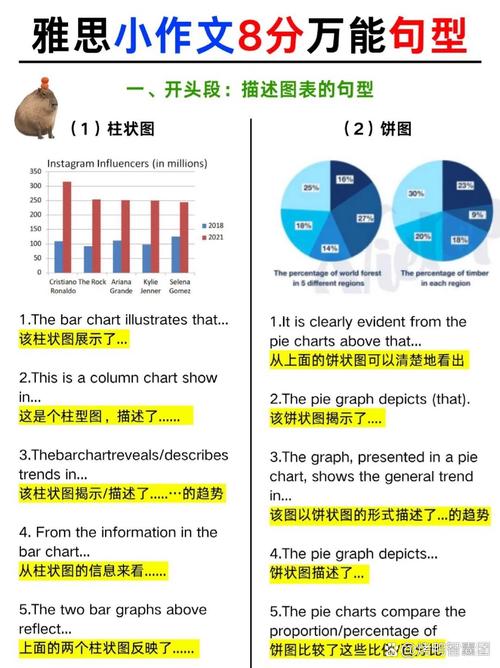
不同图表类型,首段强调的重点略有不同。
- 动态图(有时间变化):重点突出趋势比较和时间跨度。
范例:The line chart provides a comparative overview of the changes in population growth rates in three Asian nations over the second half of the 20th century.
- 静态图(无时间变化或某一时间点):重点突出数据比较和组成部分。
范例:The pie charts break down the proportion of household expenditure allocated to seven different categories in two distinct European cities in 2019.
- 流程图:重点强调过程阶段和首尾。
范例:The diagram outlines the key stages involved in the natural water cycle, beginning with evaporation and ending with precipitation returning to the ocean.
- 地图:重点明确地理位置与变化类型。
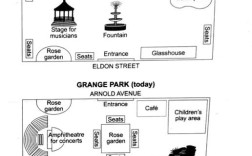
范例:The two maps illustrate the development that took place in a coastal village before and after the introduction of tourism facilities.
从“照抄”到“改写”的实战演练
我们通过一个具体例子来感受提升的过程。 The table below shows the percentage of internet users in four different countries in 2000, 2005 and 2010.
-
初级(照抄):The table below shows the percentage of internet users in four different countries in 2000, 2005 and 2010. (完全照搬,缺乏改写)
-
中级(同义词替换):The given table illustrates the proportion of people using the Internet in four nations in three different years: 2000, 2005 and 2010. (替换了动词和部分名词,但结构仍相似)
-
高级(结构重组与信息整合):
- 版本一(强调比较):A comparison of Internet penetration rates in four selected countries is presented in the table for the years 2000, 2005, and 2010.
- 版本二(强调数据范畴):The table data detail how the share of the online population evolved over a decade in four distinct national contexts.
高级版本完全摆脱了原句的框架,通过改变主语、使用名词化结构(如“Internet penetration rates”)、以及更学术的动词(如“detail”),使开篇显得更为自信和专业。
融入E-A-T原则,提升内容可信度 时,E-A-T(专业性、权威性、可信度)原则至关重要,对于访客而言,他们寻求的是可靠、可操作的知识,在分享上述技巧时,应始终贯穿以下理念:
- 专业性:使用准确、专业的术语(如“动态数据”、“静态比较”、“名词化结构”),并给出清晰的定义或示例,让读者感受到内容的深度与准确。
- 权威性:可以提及这些方法与雅思官方评分标准的对应关系(如对应“词汇丰富度”和“语法多样性”),或指出常见误区在真实考试中的潜在扣分点,建立内容的权威基础。
- 可信度:提供具体、真实的范例对比,让读者能直观看到“差”与“好”的区别,避免空谈理论,确保每一个建议都能立即应用于实践,分享经过验证的、可重复的写作策略,而非模糊的“窍门”。
日常积累与练习建议
提升改写能力非一日之功,需要系统积累和刻意练习。
- 建立个人语料库:在阅读范文或官方材料时,有意识地收集关于图表描述的优质表达,并按图表类型、动词、主语结构等进行分类整理。
- 进行“一题多写”练习:针对同一个题目,强迫自己用至少三种完全不同的句式写出首段,这能有效打破思维定式。
- 反向翻译练习:找一篇范文的首段,将其翻译成中文,隔一段时间后再根据你的中文翻译回英文,最后与原文对比,学习地道的表达逻辑。
- 寻求反馈:写完的首段可以请老师或高水平的学习伙伴检查,看是否存在表述不清、信息遗漏或语言生硬的问题。
首段的改写是雅思小作文写作中一项高回报率的技能,它不需要创造新内容,只需对已有信息进行精心的语言包装,通过掌握多样化的词汇、灵活的句式结构,并经过持续有针对性的练习,任何考生都能在文章开头就展现出令人印象深刻的语言掌控力,从而在激烈的考试竞争中占据有利的起跑位置,写作能力的提升,本质在于将主动积累的知识,通过反复练习内化为自然而然的表达习惯。