在雅思口语考试中,颜色是一个高频且贴近生活的话题,既能考察考生的词汇量,也能通过描述个人经历展现语言表达能力,颜色不仅是视觉现象,更与文化、情感、记忆紧密相连,因此掌握与颜色相关的表达方式,结合具体场景展开论述,是应对此类话题的关键。
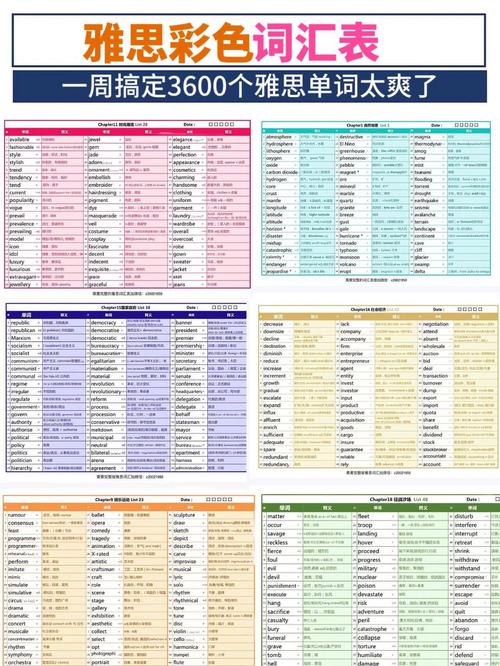
从词汇层面来看,颜色词汇可分为基础色和衍生色,基础色如red(红色)、blue(蓝色)、yellow(黄色)等较为简单,但需注意其在不同语境下的含义,red在西方文化中常与“危险”或“愤怒”相关(如red alert警报状态),而在中国文化中则象征“喜庆”与“好运”,衍生色如crimson(深红色)、azure(蔚蓝色)、vivid green(鲜绿色)等能体现词汇丰富性,使用时需搭配恰当的语境,描述颜色的形容词也很重要,如pale(浅的)、dark(深的)、bright(明亮的)、muted(柔和的)等,通过这些词汇可以精准传达颜色的质感。“The sky turned a pale pink at dawn.”(黎明时分,天空变成淡粉色。)这样的描述既具体又生动。
在雅思口语Part 1中,考官常会问关于颜色的基础问题,如“What’s your favorite color?”或“Do you like bright colors?”回答时,不仅要直接给出偏好,还需解释原因,并关联个人经历,若回答喜欢蓝色,可以说:“My favorite color is blue. I love it because it reminds me of the ocean, which makes me feel calm and relaxed. When I was a child, my parents often took me to the beach, and I would spend hours watching the blue waves. Now, whenever I feel stressed, I look at something blue, and it helps me calm down.”这样的回答不仅包含了颜色偏好,还融入了情感联系和童年经历,展现了语言的组织能力和细节描述能力。
Part 2的口语话题可能要求描述“一件你喜欢的彩色物品”或“一个与颜色相关的记忆”,需采用“总-分-总”结构,先点明物品或场景,再从颜色特征、个人关联、情感意义等方面展开,描述一件红色的毛衣:“I’d like to talk about a red sweater that my grandmother knitted for me last year. It’s made of soft wool, and the color is a vibrant crimson, which stands out in my wardrobe. What I love most about it is not just its color, but the warmth it brings. Every time I wear it, I think of my grandmother sitting by the fireplace, her hands busy with knitting needles. The red color also makes me feel confident, as if I’m carrying a piece of her love with me. This sweater isn’t just clothing; it’s a symbol of our bond.”通过这样的描述,物品的颜色与情感记忆深度融合,内容充实且富有感染力。
Part 3的讨论可能涉及颜色对社会、文化的影响,如“Do colors affect people’s mood?”或“Why do different cultures have different color preferences?”回答时需结合客观事实和个人观点,展现逻辑思辨能力,讨论颜色对情绪的影响:“Yes, I believe colors have a significant impact on people’s mood. For instance, warm colors like red and orange are often associated with energy and excitement, which is why they’re used in fast-food restaurants to encourage customers to eat quickly. On the other hand, cool colors like blue and green are linked to calmness and relaxation, so they’re commonly used in bedrooms or hospitals to create a peaceful atmosphere. Personally, I find that working in a room with blue walls helps me focus better, while bright yellow walls make me feel distracted.”这样的回答不仅提出了观点,还结合了生活实例和文化现象,体现了分析的深度。
颜色在时尚、设计、品牌标识等领域也有广泛应用,在雅思口语中,若涉及相关话题,可举例说明,描述某品牌的标志颜色:“The brand Apple uses a simple white and silver color scheme for its products and stores. This choice reflects their emphasis on minimalism and elegance, making their products look sleek and modern. The white color also symbolizes purity and innovation, which aligns with their brand image of cutting-edge technology.”通过具体案例,展现了颜色在实际场景中的意义。
颜色的象征意义在不同文化中可能存在差异,这也是雅思口语中可能考察的点,白色在西方文化中象征纯洁(如婚礼礼服),而在一些东方文化中却与丧葬相关;黑色在西方常代表庄重或哀悼,但在时尚领域却常被视为经典和高级,回答此类问题时,需注意文化差异的客观描述,避免刻板印象。“In Western cultures, white is often worn by brides to symbolize purity, but in some Asian countries like China, white is traditionally worn at funerals to represent mourning. This shows how color symbolism can vary greatly across cultures, and it’s important to be aware of these differences when communicating with people from different backgrounds。”
为了更清晰地展示颜色在不同场景中的应用,以下表格总结了常见颜色的象征意义及相关表达:
| 颜色 | 象征意义(西方文化) | 常见搭配场景 | 例句 |
|---|---|---|---|
| Red | 热情、危险、喜庆 | 节日、警示标志、品牌标识 | The red lanterns during Chinese New Year create a festive atmosphere. |
| Blue | 平静、信任、忧郁 | 卧室、企业Logo、海洋主题 | She painted her bedroom blue to create a calming environment. |
| Yellow | 活力、快乐、警告 | 儿童房、广告、交通标志 | The yellow taxi stood out clearly in the busy street. |
| Green | 自然、健康、环保 | 有机产品、公园、环保主题 | The green logo of the company emphasizes its commitment to sustainability. |
| Black | 庄重、神秘、高级 | 正装、时尚产品、电子产品 | The little black dress is a timeless classic in fashion. |
| White | 纯洁、简约、干净 | 婚礼、医院、极简设计 | The white walls of the gallery made the art look more striking. |
在雅思口语中,使用颜色词汇时需注意避免重复,可通过同义替换或描述性短语丰富表达,描述“蓝色”时,除了直接使用“blue”,还可以说“sky blue”(天蓝色)、“ocean blue”(海洋蓝)或“a shade of blue between cyan and navy”(介于青色和海军蓝之间的一种蓝色),运用比喻手法也能让描述更生动,如“The sunset was a masterpiece of orange and pink, like a watercolor painting spread across the sky.”(日落是橙色和粉色交织的杰作,如同天空铺开的一幅水彩画。)
在回答颜色相关话题时,保持自然流畅的表达比堆砌高级词汇更重要,结合个人真实经历和感受,用具体的事例支撑观点,才能在雅思口语考试中给考官留下深刻印象,无论是描述一件心爱的物品,还是讨论颜色背后的文化内涵,真诚的表达和清晰的逻辑都是取得高分的关键。
FAQs
-
Q: 在雅思口语中描述颜色时,是否需要掌握所有颜色的英文单词?
A: 不需要掌握所有颜色单词,但需熟练运用基础色(如red, blue, green等)及常见衍生色(如light blue, dark green等),重点是通过形容词、比喻或场景描述来丰富颜色表达,例如用“a color similar to the leaves in spring”来形容嫩绿色,即使不知道具体单词也能清晰传达意思。 -
Q: 如何在Part 2话题“Describe a colorful place you have visited”中展开内容?
A: 可采用“地点引入—颜色细节—个人体验—情感总结”的结构,先介绍地点(如威尼斯),再描述其标志性颜色(如建筑粉色、运河蓝色),接着讲述个人经历(如乘坐贡多拉时观察颜色变化),最后总结感受(如色彩带来的浪漫氛围)。“Venice is a city of colors—its buildings are painted in warm pink and yellow, reflecting on the green water of the canals. When I took a gondola ride at sunset, the colors of the sky blended with the city’s architecture, making me feel like I was in a painting. It’s a place where color and emotion seem to merge together.”