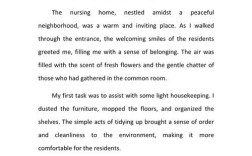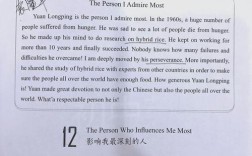
初三英语作文是初中阶段英语学习的重要组成部分,它不仅考察学生的词汇积累、语法运用能力,还检验学生的逻辑思维和表达能力,面对初三英语作文,许多学生可能会感到压力,担心无话可写或表达不够准确,只要掌握正确的方法,多加练习,就能逐步提升写作水平,以下将从写作步骤、常用句型、范文结构和注意事项等方面,详细解析如何写好初三英语作文,并提供一篇范文供参考,最后附上相关问答。
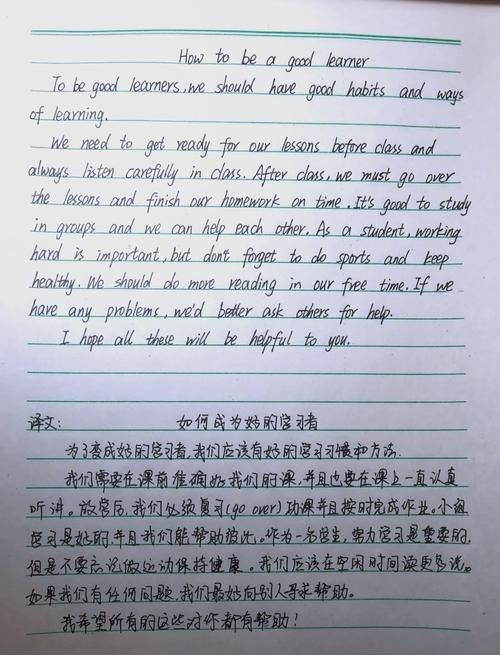
写好初三英语作文,首先要明确写作的基本步骤,第一步是审题,仔细阅读题目要求,明确作文的主题、文体(如记叙文、说明文、议论文等)、字数限制以及需要包含的要点,如果题目要求写一次难忘的经历,就需要确定事件的时间、地点、人物、经过和结果,确保不遗漏关键信息,第二步是构思,根据主题列出简单的提纲,确定文章的开头、主体和结尾内容,主体部分可以分几个段落,每个段落围绕一个中心展开,这样文章结构会更清晰,第三步是 drafting,即根据提纲用英语写出初稿,此时不必过于纠结于语法错误,重点是表达自己的想法,确保内容连贯,第四步是修改与润色,检查初稿中的语法错误、拼写错误、标点符号使用是否正确,同时注意句式的多样性和词汇的丰富性,比如适当使用复合句、连接词(如and, but, so, because等),使文章更生动,最后一步是誊写,确保卷面整洁,字迹清晰,给阅卷老师留下良好的第一印象。
在词汇和句型方面,初三学生应积累一些常用的连接词和过渡词,如表示转折的however, nevertheless,表示因果的therefore, as a result,表示顺序的firstly, secondly, finally等,这些词汇能让文章逻辑更严密,句型上,除了简单句,可以尝试使用宾语从句、状语从句等复合句,I believe that honesty is the best policy.”或“If you work hard, you will succeed.”适当运用一些固定搭配和短语,如“take part in”“pay attention to”“be interested in”等,能让表达更地道,要注意避免重复使用同一个单词或句型,可以通过同义词替换或改变句式结构来提升文章质量,比如将“good”替换为“excellent”或“wonderful”,将“I like reading books.”改为“Reading books is one of my hobbies.”
范文的结构通常遵循“总-分-总”的原则,开头部分要点明主题,吸引读者注意力,可以通过提问、引用名言或描述一个场景来引入,写“我的梦想”时,开头可以是“Everyone has a dream, which lights up our life like a star.”主体部分需要详细展开,分点论述,每个段落有一个明确的中心句, followed by supporting details. 以“梦想成为一名医生”为例,主体可以写为什么想成为医生(帮助他人、救死扶伤)、为梦想所做的努力(努力学习生物和化学、参加志愿者活动)等,结尾部分要总结全文,升华主题,可以表达对未来的展望或决心,如“I will try my best to make my dream come true and contribute to society.”
在实际写作中,还需要注意一些常见问题,一是避免中式英语,即直接用中文思维翻译英语句子,这往往会导致表达不地道,将“我很喜欢英语”直译为“I very like English”就是错误的,正确表达应为“I like English very much.”二是注意时态的一致性,根据作文主题选择合适的时态,如记叙文通常用过去时,说明文用现在时,三是内容要具体,避免空洞的议论,多用细节描写让文章更真实可信,写一次运动会,不仅要说“我很开心”,还要描述当时的场景、动作和感受,如“When I crossed the finish line, my heart was beating fast, and my friends ran towards me with big smiles.”
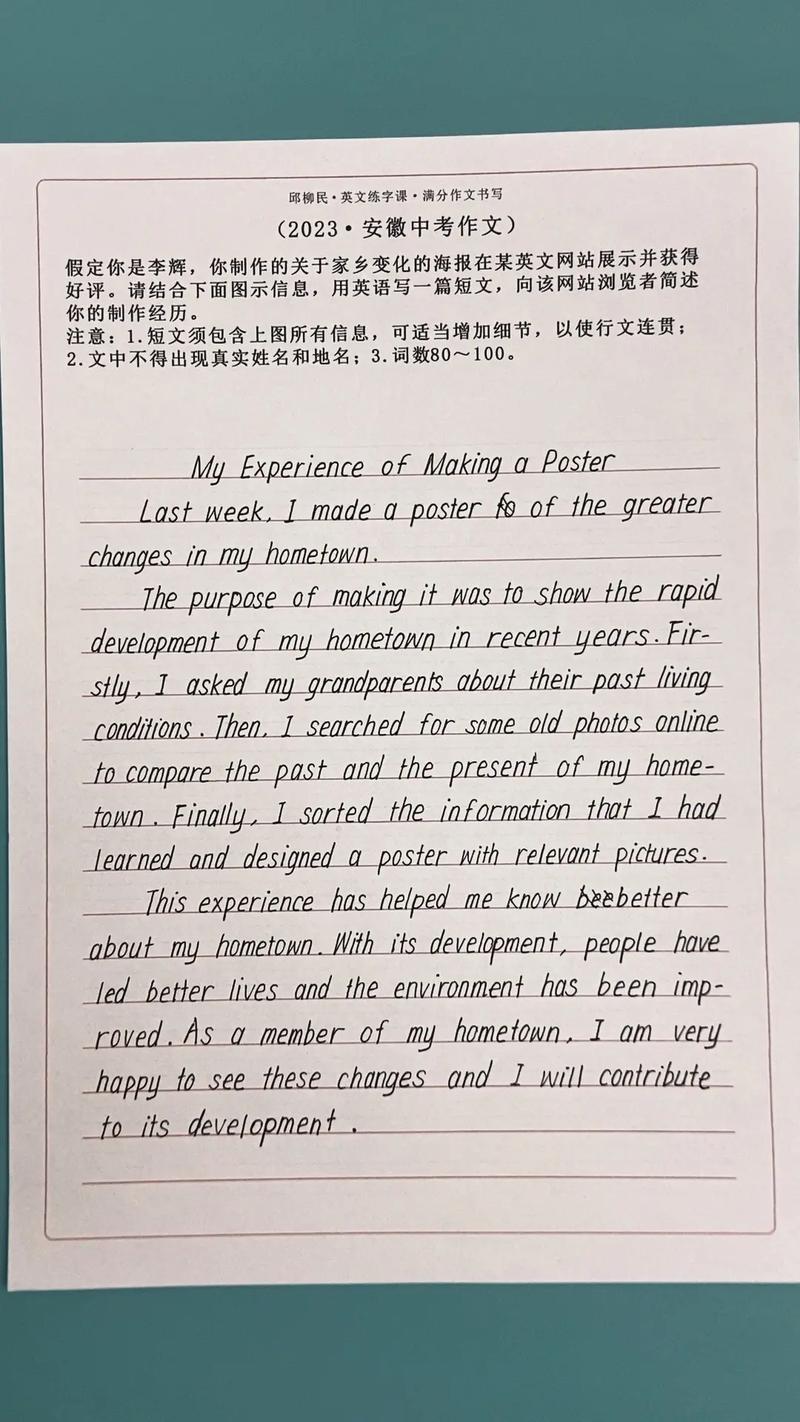
下面以“一次难忘的班级活动”为题,提供一篇范文供参考:
Last month, our class held an unforgettable activity called "Green Campus, Action Now". It aimed to improve the environment of our school and call on more students to join in environmental protection. That day, all of us were full of excitement and energy.
In the morning, we gathered at the school gate with tools like gloves, trash bags, and brooms. After the teacher assigned tasks, we started working immediately. Some students were responsible for cleaning the playground, picking up litter and sweeping the leaves. Others planted saplings around the library, digging holes and watering the young trees. I worked with my group to clean the corridors. At first, it was tiring because there was so much trash hidden in the corners. But when we saw the clean and tidy corridors after hours of work, we felt a sense of achievement. During the break, we had a short discussion about how to protect the environment in daily life, such as saving water and using reusable bags.
In the afternoon, we held a poster exhibition in the hall. Each group designed posters with slogans like "Save the Earth" and "Let's Make Our Campus Greener". We walked around to appreciate others' works and shared ideas. The activity not only made our campus more beautiful but also taught us the importance of taking action. It was more than just a clean-up; it was a lesson about responsibility.
Looking back, I realize that small actions can make a big difference. This activity will always stay in my memory, reminding me to be more environmentally conscious in the future.
FAQs
Q: How can I improve my English writing speed for exams?
A: To improve writing speed, practice is key. You can start by setting a timer and writing on common topics within a limited time, gradually reducing the time as you get faster. Also, familiarize yourself with frequently used words and sentence structures, so you don’t waste time thinking basic expressions. Before writing, make a simple outline to organize your thoughts quickly, which helps avoid getting stuck during the process. Regular practice, such as writing one composition every week, will build your confidence and speed over time.
Q: What should I do if I have no ideas for my English composition?
A: If you lack ideas, try brainstorming. Write down all the words or phrases related to the topic first, then group them into categories. For example, if the topic is "my favorite season", list words like "spring", "flowers", "warm", "picnic" etc., and then expand each point into a sentence. You can also recall personal experiences or read model compositions to learn how others develop ideas. Remember, even simple ideas can be expressed well with clear structure and specific details, so don’t pressure yourself to come up with "perfect" content.