
在雅思口语考试中,当被问及“喜欢的食物”这一话题时,考生需要从多个维度展开描述,包括食物的外观、口感、制作方式、背后的文化意义以及个人情感连接等,以展现丰富的词汇量、灵活的句式结构和自然的表达逻辑,以下将从不同角度详细解析如何回答此类问题,并提供具体范例和实用表达。
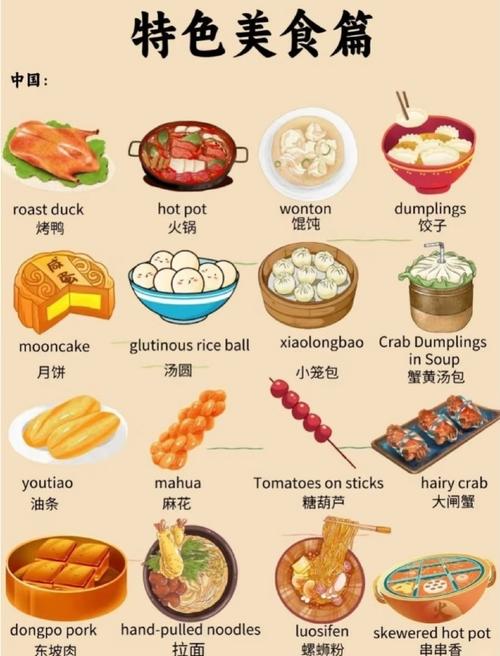
雅思口语中,“喜欢的食物”是一个高频话题,考官通过这个问题考察考生的语言组织能力、细节描述能力以及情感表达能力,回答时,避免只简单说“I like sushi”,而是要构建一个有画面感、有故事性的描述,让考官感受到你对食物的真实喜爱和深入思考,可以从以下几个方面展开:食物的基本信息(名称、类型、起源)、感官体验(外观、香气、味道、口感)、个人经历(第一次吃的时间、与食物相关的故事)、文化或情感连接(食物背后的文化意义、与家人朋友的关联)等,若选择寿司作为喜欢的食物,可以先介绍寿司的起源(日本传统食物,以醋饭和新鲜海鲜为主),再描述寿司的外观(色彩鲜艳,如三文鱼寿司的橙红色鱼肉配白色米饭,点缀芥末和芝麻)、口感(米饭软糯带微酸,海鲜鲜嫩多汁,芥末的微辣带来层次感),接着分享个人经历(第一次吃寿司是在东京的小店,师傅现场制作,食材新鲜到能感受到海洋的气息),最后提及寿司对自己的意义(代表健康饮食和对精致生活的追求,也让我学会欣赏食材本味)。
在词汇选择上,要避免重复使用“delicious”“tasty”等基础词汇,替换为更生动、具体的表达,描述味道时,可用“savory(鲜美的)”“umami(鲜味的)”“slightly sweet/acidic(微甜/微酸的)”“rich and creamy(浓郁顺滑的)”;描述口感时,可用“crispy(酥脆的)”“tender(鲜嫩的)”“chewy(有嚼劲的)”“smooth(细腻的)”;描述制作过程时,可用“freshly prepared(现做的)”“carefully seasoned(精心调味的)”“skillfully crafted(匠心制作的)”,描述披萨时,可以说:“The pizza has a crispy, golden crust topped with melted mozzarella cheese, tangy tomato sauce, and fresh basil. Each bite offers a perfect balance of flavors—the richness of the cheese, the slight acidity of the sauce, and the aroma of the basil.” 这样的描述不仅具体,还能展现词汇多样性。
句式结构上,要灵活运用简单句、复合句和复杂句,避免单调,可以使用从句(如定语从句、状语从句)连接不同信息,或通过连接词(such as, for example, moreover, in addition)丰富内容。“I’m particularly fond of hotpot, which is not just a meal but a social activity that brings people together. For instance, when my family gathers for hotpot, we spend hours selecting fresh ingredients like thinly sliced beef, seasonal vegetables, and handmade tofu, which are then cooked in a simmering broth of our choice—whether it’s the spicy Sichuan mala broth or the nutritious mushroom broth.” 通过定语从句和连接词,将食物与家庭场景结合,逻辑清晰且内容充实。
文化背景的融入也能让回答更有深度,如果喜欢的食物具有地域特色,可以简要介绍其文化内涵,若选择饺子,可以说:“Dumplings are a traditional Chinese food that symbolizes prosperity and togetherness. During Chinese New Year, families get together to make dumplings, folding the dough into shapes that resemble ancient gold ingots, hoping for wealth and good fortune in the coming year. For me, dumplings are not just about the taste—the juicy filling and the soft wrapper—but the warmth of family bonding during the making process.” 这样既回答了问题,又展现了对文化的理解,符合雅思口语对“文化意识”的考察要求。
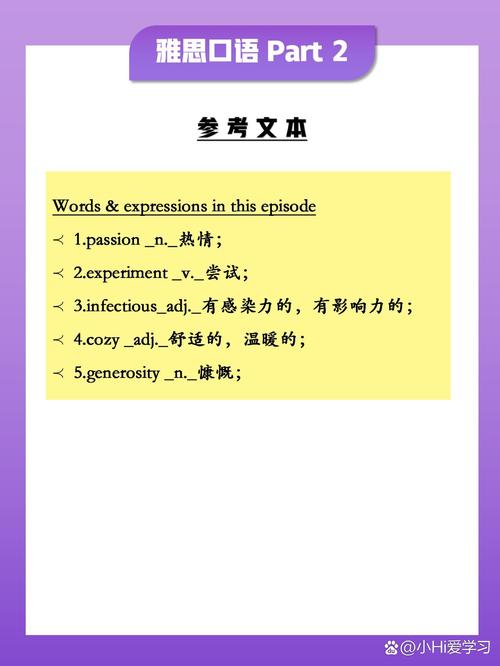
情感表达是让回答更具感染力的关键,可以描述食物如何影响你的情绪,或与特定记忆关联。“Whenever I feel homesick, I cook my grandma’s braised pork belly. The way it simmers for hours until the meat is tender enough to melt in your mouth, and the sweet and savory sauce that seeps into every fiber—it instantly reminds me of Sundays at her house, where the kitchen was always filled with the aroma of this dish, and she would tell me stories about her childhood. That dish isn’t just food; it’s a taste of love and nostalgia.” 通过情感连接,让回答真实动人,更容易引起考官共鸣。
为了更系统地展示回答思路,以下以“喜欢的食物:寿司”为例,用表格梳理描述维度和具体内容:
| 描述维度 | |
|---|---|
| 基本信息 | 寿司(Sushi),日本传统食物,主要食材为醋饭(vinegared rice)、海鲜(如三文鱼、金枪鱼)、蔬菜等,种类包括握寿司(nigiri)、卷寿司(maki)等。 |
| 感官体验 | 外观:色彩鲜明,如三文鱼寿司的橙红鱼肉配白色米饭,点缀黑色芝麻和绿色芥末;香气:海鲜的清新气息混合米饭的微酸;味道:米饭软糯带醋香,海鲜鲜甜,芥末微辣提神;口感:鱼肉入口即化,米饭有嚼劲,整体层次丰富。 |
| 个人经历 | 第一次吃寿司是在东京筑地市场,当时排了半小时队伍,师傅现做现递,食材新鲜到能感受到海洋的咸鲜;后来在京都的居酒屋尝试了季节限定寿司,如樱花虾寿司,入口带着淡淡花香,让我对寿司的“季节感”有了深刻理解。 |
| 文化/情感连接 | 寿司体现了日本“尊重食材本味”的饮食文化,师傅需多年训练才能掌握米饭的握力和食材的搭配;对我而言,吃寿司是一种放松的方式,专注品尝每一口的细节,让我学会在生活中感受简单事物的美好。 |
在回答时,可以根据考官的问题灵活调整内容,例如若被问“Do you like cooking this food?”,可以延伸道:“I enjoy making sushi at home, though it’s challenging to get the rice texture right. I usually buy fresh salmon from the market and slice it thinly, then mix rice with vinegar, sugar, and salt. Rolling the maki with nori seaweed takes practice, but it’s fun to experiment with different fillings like avocado or cucumber. It makes me appreciate the skill of sushi chefs even more.” 这样既回应了问题,又自然拓展了内容,展示语言能力。
注意口语表达的自然性,避免背诵模板,可以加入一些口语化的连接词(“you know”“actually”“I mean”)和语气词(“um”“well”),让对话更真实,同时控制语速,清晰发音,确保考官能准确理解你的内容。
相关问答FAQs
Q1: 如何在回答“喜欢的食物”时避免内容重复?
A1: 避免重复的关键是拓展描述维度和细节,可以从不同角度切入:若已描述食物的外观和味道,可补充制作过程(如“我妈妈做红烧肉时会先炒糖色,直到糖变成焦糖色,再加肉块翻炒,让每一块都裹上浓郁的酱汁”)、食用场景(如“冬天和朋友吃火锅时,我们喜欢先涮蔬菜,再吃肉,最后煮泡面吸收汤汁的精华”)或个人变化(如“以前我不喜欢香菜,但现在觉得香菜在汤里能增加清香,让我对食物的接受度提高了”),更换核心词汇和句式,例如用“favorite dish”代替“food I like”,用“what I enjoy most is...”代替“I like...”。
Q2: 如果我不喜欢某种被问及的食物,该如何回答?
A2: 雅思口语考察的是语言能力,而非个人喜好,即使不喜欢某食物,也可通过客观描述展现语言水平,首先礼貌回应:“Actually, I’m not a big fan of [食物名称], but I can see why many people like it.” 然后客观分析原因,“I tried durian once, and while I understand its creamy texture and unique flavor, the strong smell is a bit overwhelming for me. However, I respect that it’s a delicacy in many Southeast Asian countries and is often used in desserts like ice cream and cakes.” 最后可补充积极态度:“Maybe I’ll give it another try someday, perhaps in a different form like durian candy, which might be milder.” 这样的回答既诚实,又展现了灵活的表达能力和文化包容性。