雅思口语考试中,“shoes”是一个高频且贴近生活的话题,可能出现在Part 1的日常提问、Part 2的个人经历描述,甚至是Part 3的社会现象讨论,要在这部分取得高分,不仅需要掌握相关词汇和表达,更要学会结合个人经历展开细节,展现语言的流畅度、逻辑性和自然度,以下从多个维度解析如何深入探讨“shoes”这一话题,并提供实用表达和思路拓展。

鞋子的基本描述与分类
在口语中描述鞋子时,可以从类型、材质、颜色、款式等基础特征入手,避免简单罗列,而是结合具体场景增加画面感,当被问及“你最喜欢的一双鞋”时,可以先说明鞋子的类型:“My all-time favorite pair is a pair of brown leather desert boots.”(我最喜欢的一双鞋是棕色的沙漠靴。)接着补充细节:“They have a classic, minimalist design with creased leather uppers and a sturdy rubber sole, which makes them both stylish and practical for daily wear.”(它们有经典的极简设计,带有褶皱的皮革鞋面和结实的橡胶鞋底,既时尚又适合日常穿着。)
鞋子的分类可以根据功能、场合或风格展开,
- 功能类:sports shoes(运动鞋)、hiking boots(登山靴)、high heels(高跟鞋)、slippers(拖鞋)、rain boots(雨靴)
- 场合类:formal shoes(正装鞋,如牛津鞋、德比鞋)、casual shoes(休闲鞋,如帆布鞋、乐福鞋)、athletic shoes(运动鞋,如跑鞋、篮球鞋)
- 风格类:vintage shoes(复古鞋)、sneakers(运动鞋,特指潮流款)、platform shoes(厚底鞋)
不同鞋类的适用场景是很好的拓展点,谈及运动鞋时,可以关联运动需求:“I usually wear running shoes when I go jogging because they provide good cushioning to protect my knees.”(我慢跑时通常穿跑鞋,因为它们有很好的缓冲,能保护我的膝盖。)而正装鞋则可以关联正式场合:“I only wear my black leather oxfords to weddings or job interviews—they’re not comfortable for long walks, but they add a touch of elegance.”(我只在婚礼或求职面试时穿黑色牛津鞋——它们不适合长时间步行,但能增添一丝优雅。)
鞋子的情感与记忆价值
鞋子不仅是生活用品, often carries personal memories and emotional significance,这能让口语回答更具深度和感染力,在Part 2要求描述“一双重要的鞋”时,可以讲述与鞋子相关的故事:
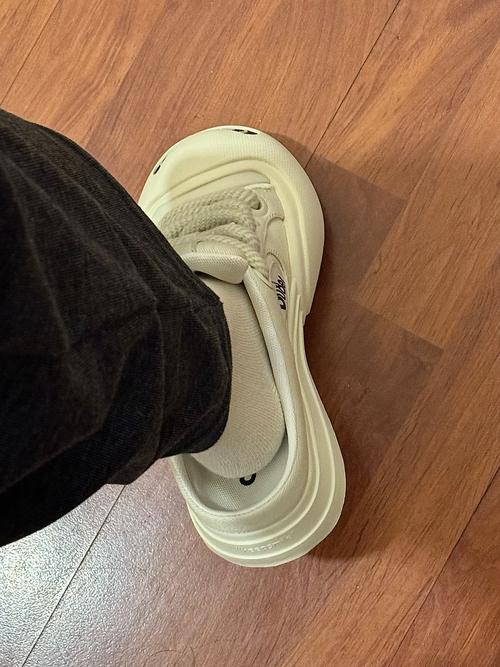
“One of the most meaningful pairs of shoes I own is a pair of white canvas sneakers I bought three years ago before a trip to Japan. At that time, I was feeling a bit anxious about traveling alone, but I decided to treat myself to these sneakers as a symbol of new beginnings. During the trip, I wore them almost every day—while exploring the streets of Tokyo, hiking in Kyoto’s mountains, and even walking along the beaches of Okinawa. They got a bit dirty and worn out, but now every time I see them, I’m reminded of the courage I found to step out of my comfort zone. The scuffs on the sides tell stories of late-night street food adventures and the blisters on the heel remind me of the beauty of pushing through challenges. These shoes aren’t just fabric and rubber; they’re a keepsake of my growth and independence.”(我拥有的最有意义的一双鞋是三年前去日本旅行前买的一双白色帆布鞋,那时我对独自旅行有些焦虑,但决定买这双鞋作为新开始的象征,旅行期间,我几乎每天都穿着它们——在东京街头探索时、在京都山间徒步时,甚至在冲绳的海边漫步时,它们有些脏和磨损,但每次看到它们,我都会想起我找到的走出舒适区的勇气,侧面的划痕诉说着深夜街头美食的冒险,脚跟的水泡提醒我挑战自我的美好,这双鞋不只是布和橡胶,它们是我成长和独立的纪念品。)
这种回答不仅描述了鞋子的外观,更通过情感连接和具体细节(划痕、水泡)展现了故事性,符合雅思口语“personal experience”和“vivid details”的评分要求。
鞋子的文化与社会意义
在Part 3的深入讨论中,鞋子可能延伸至文化、消费观、社会阶层等话题,被问及“为什么有些人愿意花很多钱买名牌鞋?”时,可以从社会心理、文化象征角度分析:
“Some people are willing to spend a lot on branded shoes due to a combination of status symbol and quality perception. From a cultural perspective, brands like Nike or Adidas have successfully associated their products with success, athleticism, and even social belonging—wearing limited-edition sneakers, for instance, can signal that one is part of a trend-conscious community. Additionally, there’s a belief that expensive shoes often use better materials and craftsmanship, which justifies the cost in terms of durability and comfort. However, this isn’t always the case; some consumers may also be influenced by marketing hype rather than practical value. On the flip side, others prioritize affordability and functionality, viewing shoes as purely practical items rather than status symbols. This contrast reflects broader societal attitudes toward consumption—whether we value material expression or practicality.”(有些人愿意花大价钱买名牌鞋,这既是地位象征,也是对质量的认知,从文化角度看,耐克或阿迪达斯等品牌成功地将产品与成功、运动甚至社会归属感联系起来——穿限量版运动鞋可能意味着自己是追求潮流的群体一员,人们普遍认为昂贵的鞋子通常使用更好的材料和工艺,从耐用性和舒适度来看,成本是合理的,情况并非总是如此,一些消费者可能受营销炒作影响,而非实际价值,也有人更注重性价比和实用性,将鞋子视为纯实用物品而非地位象征,这种对比反映了社会对消费的更广泛态度——我们是更看重物质表达还是实用性。)
类似的拓展还可以讨论“鞋子在时尚中的作用”“不同文化中鞋子的象征意义”(如西方的“glass slipper”象征童话与梦想,日本的“geta”木鞋与传统文化相关)等,展现批判性思维和跨文化视角。
实用词汇与表达亮点
围绕“shoes”话题,积累以下词汇和句式,能提升语言丰富度:
描述鞋子的外观与材质
- 款式:slim-fit(修身款)、chunky sole(厚鞋底)、lace-up(系带款)、slip-on(一脚蹬)、pointed toe(尖头)、round toe(圆头)
- 材质:genuine leather(真皮)、suede(绒面革)、mesh(网眼布)、rubber sole(橡胶鞋底)、memory foam(记忆棉)
- 状态:worn-out(磨损的)、scuffed(有划痕的)、brand new(全新的)、comfortable(舒适的)、breathable(透气的)
表达功能与感受
- “These shoes are perfect for all-day wear—they’re lightweight and have excellent arch support.”(这双鞋非常适合全天穿着,它们轻便且有很好的足弓支撑。)
- “I can’t stand stiff shoes; they always give me blisters after a few hours.”(我讨厌僵硬的鞋子,穿几小时就会磨出水泡。)
- “The grip on these hiking boots is amazing, so I feel confident even on slippery trails.”(这双登山鞋的抓地力很棒,即使在湿滑的小路上我也很有信心。)
高分句式与连接词
- 对比转折:While some people prefer flashy sneakers, I lean towards understated designs that go with everything.(虽然有些人喜欢花哨的运动鞋,但我倾向于百搭的低调设计。)
- 因果解释:I chose these boots not only for their stylish look but also because they’re waterproof, which is essential for rainy seasons.(我选这双靴子不仅因为它们外观时尚,还因为它们防水,这对雨季来说很重要。)
- 举例说明:For instance, my canvas sneakers are versatile enough to pair with jeans, skirts, or even shorts.(我的帆布鞋很百搭,可以配牛仔裤、裙子甚至短裤。)
常见话题与回答思路
Part 1: "Do you like shopping for shoes?"
(“你喜欢买鞋吗?”)
思路:先直接回答,再补充个人偏好、频率和原因,避免简单“yes/no”。
参考回答:“Yes, I quite enjoy shopping for shoes, but I’m very picky. I only buy a pair if they’re both comfortable and match most of my clothes. I used to buy trendy styles impulsively, but now I prioritize quality over quantity—for example, I’d rather spend more on a pair of leather boots that last for years than buy several cheap pairs that fall apart quickly. Shopping for shoes has become more about finding practical items that reflect my personal style rather than chasing fleeting trends.”(是的,我很喜欢买鞋,但我很挑剔,只有当一双鞋既舒适又能搭配大部分衣服时,我才会买,我以前会冲动购买潮流款式,但现在我更注重质量而非数量——我宁愿花更多钱买一双能穿几年的皮靴,也不买几双很快就坏掉的便宜鞋,买鞋现在更像寻找反映个人风格的实用物品,而不是追逐短暂的潮流。)
Part 2: "Describe a pair of shoes you wear often."
(“描述你经常穿的一双鞋。”)
思路:按“基本介绍-外观细节-穿着场景-情感意义”结构展开,加入具体事例。
参考回答(简化版):“The pair of shoes I wear most often is a pair of grey Nike Air Max sneakers. They have a distinctive air-cushioned sole that makes me feel like I’m walking on clouds, which is perfect because I walk a lot to university every day. The upper is made of a mix of mesh and synthetic material, so they’re breathable even in summer. What I love most is their versatility—I can wear them with joggers for a casual look or with chinos for a slightly more put-together outfit. These shoes have been with me for over two years; they’ve got a few stains and the soles are a bit worn, but they’re like old friends now. They remind me of my daily routine—early mornings rushing to class, coffee runs with friends, and even the time I tripped over a curb but didn’t get hurt thanks to their cushioning. They’re not just shoes; they’re part of my everyday life.”(我最常穿的一双鞋是灰色的耐克Air Max运动鞋,它们有独特的气垫鞋底,让我感觉像走在云上,这很棒,因为我每天要走很多路去大学,鞋面是由网眼材料和合成材料混合而成,所以即使在夏天也很透气,我最喜欢的是它们的百搭性——穿运动裤是休闲风,配卡其裤又会显得更精致,这双鞋已经陪我两年多了,上面有些污渍,鞋底也有些磨损,但现在它们像老朋友一样,它们让我想起我的日常生活——早上去教室的匆忙、和朋友买咖啡的时光,甚至有一次我绊倒在路边,多亏了缓冲鞋底才没受伤,它们不只是鞋,是我日常生活的一部分。)
FAQs
Q1: 雅思口语中描述鞋子时,如何避免回答过于简单?
A1: 避免简单罗列“颜色、款式”,而是结合“场景+细节+情感”,不说“I have a pair of black shoes”,而是说“I have a pair of black ankle boots with silver buckles—they’re my go-to shoes for autumn because they add a edgy touch to my jeans and coats, and the buckles make a satisfying clicking sound when I walk.”(我有一双带银色搭扣的黑色踝靴——它们是我秋天的首选鞋,因为它们给我的牛仔裤和外套增添了一丝酷感,而且搭扣在我走路时会发出令人满足的咔嗒声。)通过具体场景(autumn)、感官细节(clicking sound)和搭配逻辑(add an edgy touch),让回答更生动。
Q2: 如果被问“你认为未来鞋子会有什么变化?”,如何展开回答?
A2: 从科技、环保、设计趋势三个维度切入,举例说明。“I think future shoes will become smarter and more eco-friendly. Technologically, we might see shoes with built-in sensors that track health metrics like posture or step count, syncing data to our phones. Environmentally, as sustainability becomes a bigger concern, brands may use recycled materials or biodegradable fabrics—imagine shoes made from ocean plastic or mushroom leather! Design-wise, there could be more adaptive styles, like temperature-regulating materials for winter or self-cleaning surfaces for busy people. Overall, shoes will shift from being just functional items to integrated parts of our digital, eco-conscious lifestyles.”(我认为未来的鞋子会变得更智能、更环保,科技上,我们可能会看到内置传感器的鞋,用于追踪姿势或步数等健康数据,并同步到手机,环保方面,随着可持续性成为更大的关注点,品牌可能会使用回收材料或可生物降解的织物——想象一下用海洋塑料或蘑菇皮革制成的鞋!设计上,可能会有更多适应性款式,如冬季的温控材料或忙碌人群的自清洁表面,鞋子将从纯实用物品转变为数字、环保生活方式的 integrated part。)