
在雅思口语考试中,"laugh"是一个高频且贴近生活的话题,无论是讨论个人经历、文化差异还是社交场景,都可能涉及与“笑”相关的表达,掌握与“laugh”相关的词汇、句型及文化内涵,不仅能帮助考生流利表达,还能展现语言的地道性和丰富性,以下从多个维度详细解析与“laugh”相关的口语表达,并提供实用例句与备考建议。
与“laugh”相关的核心词汇与搭配
在口语中,灵活运用不同含义的“laugh”相关词汇,能让表达更精准,以下是常见分类及例句:
| 词汇类型 | 单词/短语 | 含义与用法 | 例句 |
|---|---|---|---|
| 基础动词 | laugh | 笑,最常用表达 | I always laugh when I see my cat chasing its tail. |
| giggle | 咯咯笑(通常因紧张、兴奋而轻声笑) | The girls giggled when they heard the secret. | |
| chuckle | 轻声笑,低笑(因有趣或回忆而笑) | My grandfather chuckled as he told stories about his youth. | |
| roar | 大笑,哄笑(因极好笑而大声笑) | The audience roared at the comedian's joke. | |
| 名词 | laughter | 笑声(不可数) | The sound of her laughter filled the room. |
| a big laugh | 大笑 | We all had a big laugh at the party last night. | |
| 形容词 | funny | 有趣的,滑稽的 | My friend told a funny story that made everyone laugh. |
| hilarious | 极其好笑的 | The movie was so hilarious that I cried laughing. | |
| 动词短语 | burst out laughing | 突然大笑 | She burst out laughing when she saw the messy hair. |
| laugh at someone | 取笑某人 | It's not nice to laugh at others' mistakes. | |
| laugh something off | 一笑置之,以笑化解(尴尬或困难) | He laughed off the criticism and kept working. |
雅思口语Part 1:高频话题与“laugh”的结合
在Part 1中,考官常围绕“hobbies”“friends”“childhood”等话题提问,可自然融入“laugh”相关表达。
示例问题:Do you like to laugh?
回答时,可先表明态度,再举例说明原因:
"Yes, I absolutely love laughing! I think it's one of the best ways to relax and stay positive. For example, after a long day of studying, I always watch comedy videos with my friends, and we end up laughing until our stomachs hurt. Laughter helps me forget stress and feel closer to people around me."
示例问题:What makes you laugh?
可描述具体场景或经历:
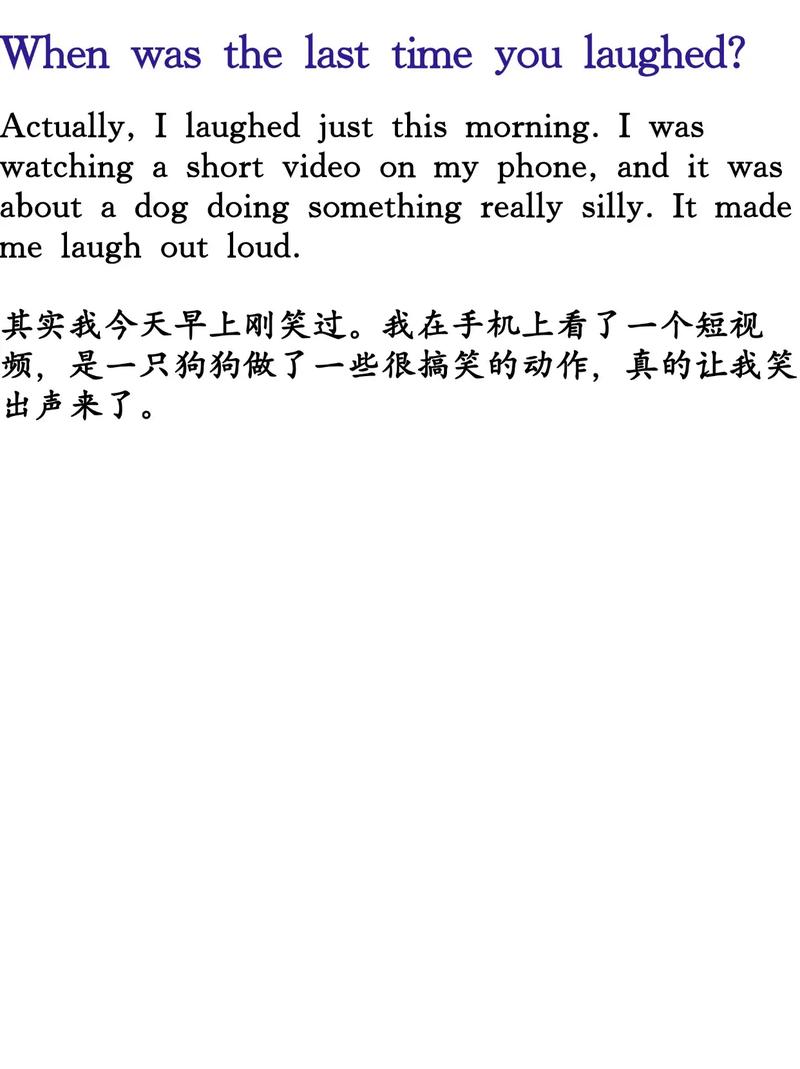
"I'm easily amused by silly things, like my dog chasing a ball or my parents trying to use new technology. Last week, my dad struggled to order food on a delivery app and accidentally added ten servings of rice—we all laughed so hard! I also enjoy stand-up comedy because comedians often turn everyday situations into hilarious stories."

雅思口语Part 2:个人经历类话题的“laugh”素材
Part 2要求描述具体事件(如“a funny thing that happened”),laugh”是核心关键词,以下以“Describe a time you laughed a lot”为例,提供回答框架:
事件背景:时间、地点、人物
"Last summer, I went on a trip with my classmates to the countryside. We were staying in a small guesthouse, and one night, we decided to have a talent show after dinner."
事件经过:描述“笑”的触发点
"My friend Li Ming, who is usually shy, volunteered to perform magic tricks. He tried to pull a coin out of my ear, but he accidentally poked my head with his wand! Instead of finding the coin, he pulled out a hairpin I was wearing. Everyone was stunned for a second, then we all burst out laughing. Li Ming turned bright red and started laughing too, which made us laugh even harder."
结果与感受:强调“笑”的意义
"We laughed for so long that our stomachs ached. That night taught me that laughter is contagious and it brings people together. Even though the magic trick failed, it became the most memorable part of the trip."
雅思口语Part 3:深入探讨“笑”的文化与社会意义
Part 3需展开抽象讨论,可结合“laugh”分析文化差异、社交功能等。
示例问题:Is it important for people to laugh every day?
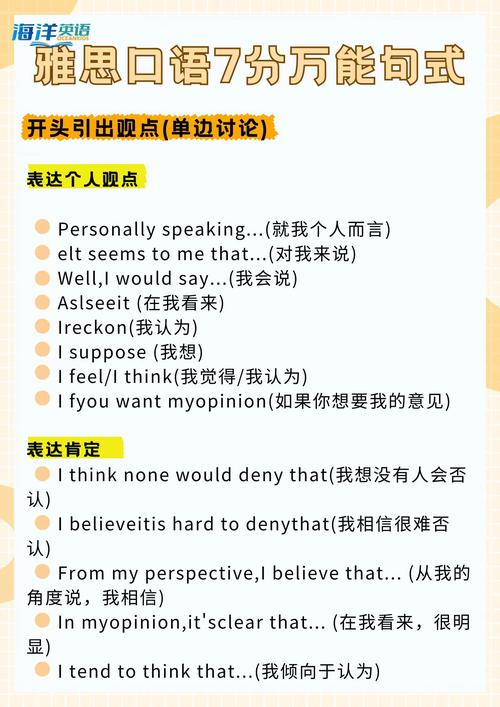
"Yes, I believe daily laughter is crucial for mental and physical health. Scientifically, laughter releases endorphins, which reduce stress and boost immunity. Socially, it acts as an icebreaker—for instance, when colleagues laugh together during a break, it improves team cohesion. In some cultures, like in Latin America, people often use humor to cope with difficulties, showing that laughter is not just a reaction but a life attitude."
示例问题:Do people laugh at the same things in different cultures?
"Not exactly. Humor is culture-specific. For example, in Western cultures, sarcasm and dark humor are common, but in some Asian cultures, direct sarcasm might be seen as rude. I remember watching an American stand-up comedy show where the comedian joked about personal failures, and the audience laughed loudly. However, when a similar joke was told in China, some people felt uncomfortable because it's more common to avoid highlighting others' mistakes in public. So, what makes us laugh often reflects our cultural values."
备考建议:提升“laugh”相关表达的地道性
-
积累习语与俚语:如"laugh one's head off"(笑得不行)、"crack up"((使)大笑)、"find something hilarious"(觉得某事极其好笑)。
例句:The comedian's jokes cracked up the whole audience. -
运用描述性语言:通过声音、动作、神态让“笑”更生动。
例句:She clutched her stomach, tears streaming down her face as she laughed uncontrollably. -
结合个人经历:真实的故事更能打动考官,提前准备1-2个与“laugh”相关的个人经历,避免临场卡顿。
FAQs
Q1: 如何在口语中避免重复使用“laugh”?
A1: 可替换为近义词或短语,如“giggle”(轻笑)、“chuckle”(低笑)、“roar”(大笑),或使用动词短语“burst out laughing”“double over with laughter”(笑弯腰),不说“I laughed”,而说“I burst out laughing when I heard the punchline”。
Q2: 雅思口语中描述“笑”的场景时,如何让内容更具体?
A2: 加入细节描写,如“笑”的原因、声音、动作及后续影响。“When my little sister tried to ride a bike without training wheels, she wobbled for a second, then fell into the bushes with a thud. We all rushed to help her, but she sat up, covered in mud, and started giggling. Her laughter was so infectious that we ended up sitting on the grass, laughing together until sunset.” 这样的描述通过动作、声音和结果让场景更鲜活。