掌握与“服饰”相关的英语表达,不仅是雅思口语考试的常见话题,更是日常交流中展现个人品味与文化理解的重要窗口,本文将深入探讨如何围绕这一主题提升口语能力,并结合最新行业数据,为您的备考与实战提供坚实支撑。

构建主题词汇网络:从基础到地道
谈论服饰,需超越“clothes”和“wear”等基础词汇,一个系统的词汇网络能让表达立即生动起来。
精准描述服装类型与风格:
- 特定品类: 除了常见的T-shirt(T恤)、jeans(牛仔裤),可以积累如 blazer(休闲西装)、cardigan(开衫)、trench coat(风衣)、culottes(阔腿裤) 等具体词。
- 风格流派: 学会区分 minimalist(极简风)、vintage(复古风)、bohemian(波西米亚风)、smart-casual(商务休闲)、athleisure(运动休闲风)。
掌握面料与质感的核心词汇: 描述材质能让表达更具象。
- 天然面料: linen(亚麻)、cashmere(羊绒)、silk(丝绸)、denim(牛仔布)。
- 合成面料: polyester(聚酯纤维)、nylon(尼龙)。
- 质感描述: breathable(透气的)、stretchy(有弹性的)、itchy(扎人的)、soft to the touch(触感柔软的)。
灵活运用动词与搭配: 避免重复使用“wear”,试试:
- 搭配: This necklace goes well with my dress.(这条项链和我的裙子很配。)
- 穿着状态: I prefer to dress up for formal occasions.(正式场合我更喜欢盛装打扮。)/ On weekends, I just like to dress down.(周末我喜欢穿得随意些。)
- 合身程度: The suit fits me perfectly.(这套西装非常合身。)/ These shoes are a bit tight around the toes.(这鞋鞋头有点紧。)
串联逻辑与观点:应对雅思口语考题
雅思口语不仅考查词汇,更看重连贯表达与观点阐述能力。
Part 1 常见问题示例:
- Q: Do you enjoy shopping for clothes?
- A: Actually, I’m more of an online shopper. I find it more convenient to browse through different styles on apps. However, for items like jeans or blazers that need a perfect fit, I still prefer visiting physical stores to try them on.
分析: 答案直接给出观点(更喜欢网购),并提供了对比逻辑(但对于需要合身的物品则去实体店),使用了“browse through”、“fit”等精准词汇。
Part 2 & 3 话题深化: 当描述一件重要的衣服或讨论时尚产业时,需要展现思辨能力。

- 可探讨的角度:
- 文化意义: “Cheongsam, or qipao, is more than just a dress; it’s a symbol of Chinese elegance and carries a rich historical heritage.”
- 可持续时尚: “I’m increasingly drawn to sustainable fashion brands. The idea of eco-friendly materials and ethical production aligns with my personal values.”
- 快时尚影响: “The rapid turnover of trends in fast fashion encourages overconsumption and has raised significant environmental concerns.”
融入最新数据与实例:提升论述说服力
在讨论时尚趋势、消费行为等话题时,引用权威数据能让观点更具说服力,以下是基于近期行业报告的关键数据:
全球时尚消费与趋势洞察(2023-2024)
| 数据维度 | 关键发现 | 数据来源与年份 | 口语应用提示 |
|---|---|---|---|
| 消费者购买驱动因素 | 产品质量(65%)、价值(54%)、风格(44%)是前三大驱动因素。 | 麦肯锡《2024时尚现状报告》 | 谈论个人购物选择时,可引用此数据支撑观点:“For me, quality is the top priority when choosing clothes, which seems to align with global trends where 65% of consumers value it most.” |
| 可持续时尚接受度 | 超过70%的消费者表示愿意为环保可持续产品支付溢价。 | 德勤《2024全球时尚与奢侈品力量》报告 | 讨论时尚产业未来时:“The shift towards sustainability is undeniable. Reports show a majority of consumers are now willing to pay a premium for environmentally friendly options, pushing brands to innovate.” |
| 二手转售市场增长 | 全球二手服装市场预计到2027年将增长至3500亿美元以上。 | ThredUp《2024年转售报告》 | 描述购物习惯变化:“I’ve started exploring second-hand platforms not just for uniqueness, but also for sustainability. This market is booming, projected to be worth over $350 billion soon.” |
| 中国消费者偏好 | 超过80%的中国Z世代消费者将“社交媒体上的流行趋势”作为重要购物参考。 | 贝恩公司《2024年中国奢侈品市场报告》 | 结合本地化案例:“In China, social media influence is profound, especially among the young. This shapes how trends spread and what people consider ‘in style’.” |
(资料来源:综合自麦肯锡、德勤、ThredUp、贝恩公司等机构于2023-2024年发布的最新行业研究报告)
在口语中,可以这样自然融入:“When discussing fashion choices, it’s interesting to note that recent data from McKinsey’s 2024 State of Fashion report highlights quality as the number one factor for consumers globally. This resonates with my own approach to building a wardrobe.”
实战场景演练与文化意识
将词汇与观点置于具体场景中练习,是流利表达的关键。
模拟场景对话: 设想在服装店与店员交流:
- “Excuse me, I’m looking for a plain white shirt made of organic cotton. Do you have anything like that?”(您好,我想找一件有机棉的纯白衬衫,有吗?)
- “Could I try this on in a medium? Also, what’s your return policy if it doesn’t fit?”(我可以试一下中码吗?如果不合适,退货政策是怎样的?)
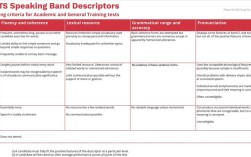
展现文化意识: 雅思口语评分标准重视“Grammatical Range and Accuracy”和“Lexical Resource”,同时也隐含着对交流得体性的考察,在描述民族服饰时,准确使用文化术语并表达尊重至关重要,谈论到印度服饰时,使用“sari”或“kurta”远比泛泛的“traditional clothes”来得精准和地道。
提升围绕“服饰”的英语口语,是一个将精准词汇、逻辑观点、实时信息与文化理解融合的过程,从构建个人词汇库开始,主动关注行业动态,并有意识地将新学到的数据和表达融入日常练习,在雅思口语考场上或真实国际交流中,这种准备能让您从容不迫,展现出不仅流利,而且有深度、有依据的语言能力,语言是关于交流与理解,当您能就服饰这一日常话题进行言之有物、自信流畅的对话时,便已在通往更高英语能力的道路上迈出了坚实一步。