当肾上腺素与语言表达碰撞,蹦极不仅是一项极限运动,更成为雅思口语中展现个性与词汇量的绝佳话题,在描述这种刺激体验时,考生需要从感官细节、心理变化到文化意义多维度展开,既体现语言能力,又传递真实感受,以下将从准备阶段、核心描述、延伸分析三个层面,结合具体词汇与表达框架,帮助考生在雅思口语中生动呈现“蹦极”这一主题。
准备阶段:构建描述的素材库
在谈论蹦极前,考生需提前储备相关词汇与场景细节,蹦极涉及物理感受、心理过程和环境要素,可分类整理如下:
| 类别 | 核心词汇/表达 |
|---|---|
| 物理感受 | freefall(自由落体)、weightlessness(失重感)、adrenaline rush(肾上腺素激增)、jolt(猛烈的颠簸)、spine-tingling(令人战栗的) |
| 心理变化 | nerve-wracking(令人紧张的)、dread(恐惧)、exhilaration(极度兴奋)、triumph(胜利感)、butterflies in stomach(紧张不安) |
| 环境要素 | harness(安全带)、platform(跳台)、canyon(峡谷)、rope(弹性绳)、safety measures(安全措施) |
描述准备跳跃时,可用:“Standing on the platform, my palms were sweating, and my heart was pounding like a drum——a classic case of butterflies in stomach.” 站在平台上,手掌出汗,心跳如鼓——这是典型的紧张不安,这种细节能让描述更具画面感。
核心描述:从“恐惧”到“狂喜”的叙事弧光
蹦极的体验本质是一个情绪转折过程,考生可通过时间线索串联起“准备-跳跃-落地-回味”四个阶段,每个阶段侧重不同语言技巧。
-
准备阶段:聚焦感官细节
此阶段需突出紧张氛围,通过触觉、听觉等细节营造临场感。“The wind howled through the canyon, making the metal platform creak ominously. As the staff adjusted my harness, the cold leather straps against my skin sent shivers down my spine.” 狂风在峡谷中呼啸,金属平台发出不祥的吱嘎声,工作人员调整我的安全带时,冰凉的皮革贴着皮肤,让我不寒而栗,这里用拟声词(howled, creak)和触觉描写(cold leather straps)增强真实感。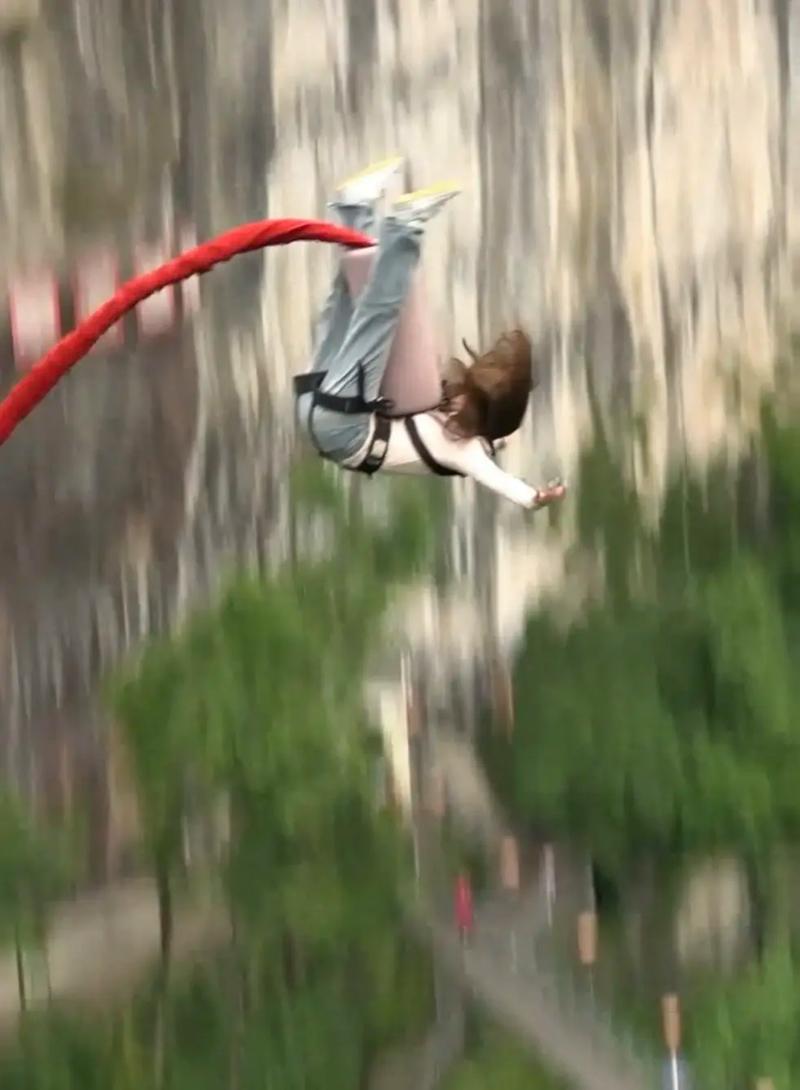 (图片来源网络,侵删)
 -
跳跃瞬间:动态动词与比喻
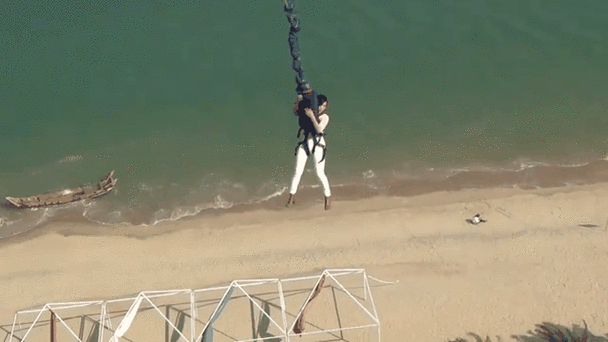
自由落体是高潮部分,需用短句和强动词表现速度感。“Then, the countdown began—three, two, one—and I leaped. The world became a blur of green and blue as I plummeted toward the river. Time seemed to stretch, yet the freefall lasted only seconds.” 随着倒计时开始——三、二、一——我纵身一跃,世界化作绿蓝交错的模糊色块,我直坠向河面,时间仿佛被拉长,而自由落体仅持续数秒,这里“plummeted”(坠落)和“blur”(模糊)等词强化了速度与视觉冲击。 -
反弹阶段:情绪转折点
弹性绳拉伸时,恐惧转化为兴奋,需用对比手法。“Just when I thought I’d hit the water, the rope yanked me back. The sudden jolt sent a surge of adrenaline through my veins, replacing fear with pure exhilaration. I laughed uncontrollably as I bounced up and down like a yo-yo.” 在即将触水的瞬间,绳子猛地将我拽回,突如其来的颠簸让肾上腺素激增,恐惧化为纯粹的兴奋,我像悠悠球一样上下弹跳,忍不住大笑起来。“yanked”(猛拽)和“surge”(激增)生动表现了力量与情绪的变化。 -
落地后:回味与成就感
结尾需升华主题,强调个人成长。“After being lowered to the ground, my legs were shaky, but a grin spread across my face. I’d conquered my fear—proving that sometimes, the scariest leaps lead to the greatest rewards.” 被降到地面后,双腿发软,但笑容却浮现在脸上,我战胜了恐惧——证明有时最危险的跳跃能带来最丰厚的回报,此处“conquered my fear”(战胜恐惧)点明主题,符合雅思口语“个人经历+反思”的评分要求。
延伸分析:文化意义与语言表达升级
在雅思口语中,仅描述经历不够,还需结合文化或社会视角展现深度,蹦极作为极限运动的代表,可关联“冒险精神”或“突破舒适区”等话题。“Bungee jumping isn’t just about thrill-seeking; it’s a metaphor for embracing the unknown. In many cultures, taking such risks is seen as a rite of passage—a way to push boundaries and discover one’s limits.” 蹦极不仅是寻求刺激,更是拥抱未知的隐喻,在许多文化中,冒险被视为成年礼——一种突破边界、发现自我的方式,这种表达能体现考生的思辨能力。
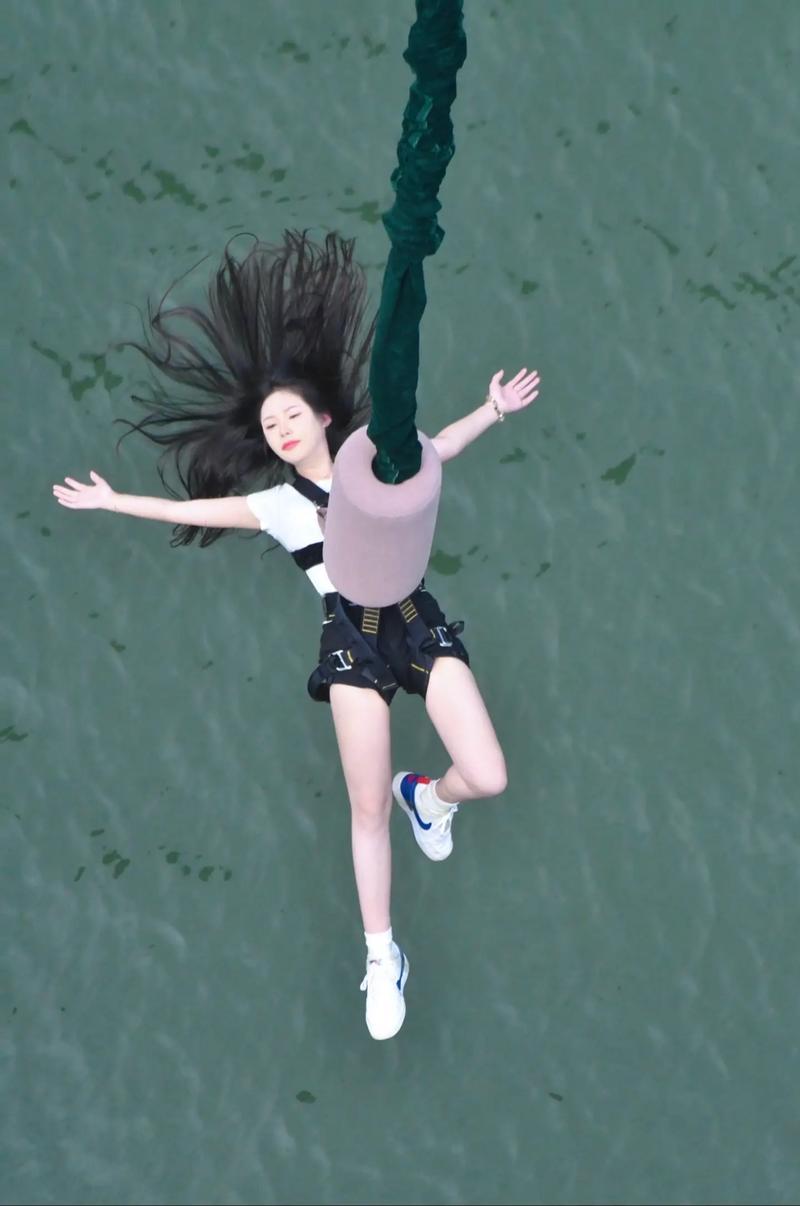
可使用复杂句式提升语言层次,如非限定性定语从句:“The bungee jump, which I’d once dismissed as ‘insane,’ turned out to be the most liberating experience of my life.” 我曾一度认为蹦极“疯狂”,结果却成了生命中最自由的经历,或使用虚拟语气:“If I hadn’t hesitated on the platform, I might have missed the thrill of overcoming my fear.” 如果我没有在平台上犹豫,或许就错失了战胜恐惧的刺激。
相关问答FAQs
Q1: 如何在雅思口语中避免描述蹦极经历时显得千篇一律?
A1: 避免通用词汇,加入独特细节和个人感受,与其说“I was scared”,不如描述具体生理反应:“My throat went dry, and I could hear my own pulse roaring in my ears.” 结合文化或个人故事,如“Unlike my friends who screamed, I found myself holding my breath—too stunned to even react.” 这种差异化表达能让考官印象深刻。
Q2: 蹦极话题如何与雅思口语Part 3的抽象问题结合?
A2: 将蹦极延伸至社会现象讨论,当被问及“Why do people seek extreme sports?”时,可回答:“Bungee jumping reflects a modern desire for authentic experiences in a digital age. Unlike virtual thrills, it offers raw, unfiltered adrenaline—a way to feel truly alive.” 这种回答将个人经历与社会趋势结合,展现逻辑深度和词汇丰富度。