The moon has always been a celestial body that captivates humanity’s imagination and curiosity. Its soft, luminous glow has inspired countless myths, poems, songs, and scientific inquiries across cultures and centuries. From ancient civilizations who worshipped it as a deity to modern scientists who study its geological composition, the moon remains a symbol of mystery, beauty, and the unknown. In English, the word "moon" evokes a sense of wonder, and its significance extends far beyond its role in Earth’s night sky.

Scientifically, the moon is Earth’s only natural satellite, orbiting our planet at an average distance of about 384,400 kilometers. Its gravitational pull influences Earth’s tides, creating the ebb and flow of oceans that have shaped coastlines and marine life for millennia. The moon’s surface is covered with craters, mountains, and vast plains called maria, which are actually ancient lava flows. These features tell the story of the moon’s violent past, including countless asteroid impacts and volcanic activity billions of years ago. The lack of atmosphere on the moon means there is no weather or sound, and temperatures swing dramatically from scorching heat in sunlight to extreme cold in shadow. Despite its harsh environment, the moon has been a focal point of space exploration. In 1969, NASA’s Apollo 11 mission marked humanity’s first steps on the lunar surface, with astronauts Neil Armstrong and Buzz Aldrin planting the American flag and collecting rock samples. These missions not only advanced our understanding of the moon’s origin but also provided valuable insights into the formation of the solar system.
Culturally, the moon holds profound symbolism in literature, art, and mythology. In English literature, the moon is often associated with romance, mystery, and the supernatural. William Shakespeare frequently used the moon as a metaphor in his plays, such as in A Midsummer Night’s Dream, where its ethereal light sets the stage for magical events. Poets like Percy Bysshe Shelley and William Wordsworth celebrated the moon’s beauty, describing it as a source of inspiration and tranquility. In Asian cultures, the moon is equally revered. The Mid-Autumn Festival, celebrated in China and other East Asian countries, is a time for families to gather under the full moon, sharing mooncakes and honoring unity and harmony. Similarly, in Japanese folklore, the moon is home to a rabbit that pounds rice cakes, a tale that reflects the moon’s association with abundance and creativity.
The moon’s phases have also played a crucial role in human history. For ancient farmers, the lunar calendar helped determine planting and harvesting times. Many religious festivals, such as Easter and Ramadan, are still tied to lunar cycles. The new moon, representing renewal and beginnings, is often a time for reflection and new goals in various spiritual practices. The full moon, on the other hand, has been linked to heightened emotions and even strange behavior, giving rise to the term "lunacy," derived from the Latin word luna, meaning moon.
In modern times, the moon continues to inspire scientific innovation and exploration. Plans for lunar bases and missions to Mars rely on the moon as a testing ground for technologies and life-support systems. Private companies like SpaceX and Blue Origin are also investing in lunar tourism, envisioning a future where humans can visit the moon for leisure or research. The moon’s resources, such as water ice in its polar regions, could potentially support long-term human habitation, making it a stepping stone for deeper space exploration.

Despite our technological advancements, the moon retains its sense of mystery. unanswered questions about its formation—whether it was created from a massive impact or captured by Earth’s gravity—continue to intrigue scientists. Additionally, the moon’s far side, which永远 faces away from Earth, remains largely unexplored, offering a pristine environment for radio telescopes to study the universe without interference.
In conclusion, the moon is far more than a celestial body; it is a symbol of human curiosity, creativity, and resilience. From its scientific importance to its cultural significance, the moon has shaped our understanding of the world and our place in the cosmos. As we look up at the night sky, the moon reminds us of the endless possibilities that lie beyond our planet, inspiring us to dream, explore, and reach for the stars.
| Aspect | Description |
|---|---|
| Scientific Role | Earth’s natural satellite; influences tides; subject of space exploration (e.g., Apollo missions). |
| Cultural Significance | Symbol of romance, mystery, and renewal in literature, mythology, and festivals (e.g., Mid-Autumn Festival). |
| Historical Importance | Used in ancient calendars; inspires religious and agricultural practices. |
| Modern Exploration | Focus for future lunar bases, tourism, and resource utilization (e.g., water ice). |
FAQs
-
What causes the moon’s phases?
The moon’s phases are caused by its orbit around Earth, which changes the portion of the sunlit side visible from Earth. As the moon moves, we see different amounts of its illuminated surface, resulting in phases like new moon, first quarter, full moon, and last quarter.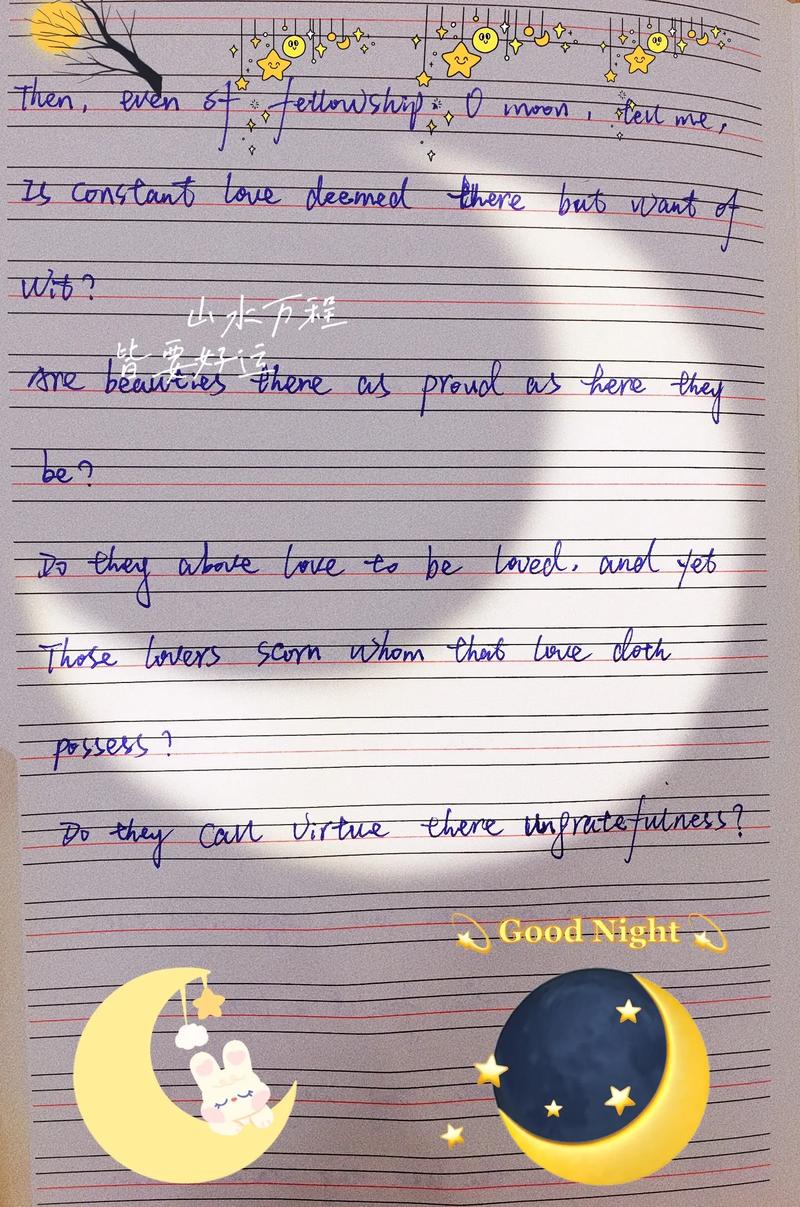 (图片来源网络,侵删)
 -
Can the moon affect human behavior?
While the moon’s gravitational pull influences ocean tides, there is no scientific evidence to support claims that it directly affects human behavior. The idea of a "lunar effect" on mood or actions is largely a myth, though cultural associations with the full moon persist in folklore.