1月9日的雅思作文考试延续了近年来常见的议论文题型,涉及社会、教育或科技类话题的可能性较高,考生在备考时需注意审题的精准性、论证的逻辑性以及语言的多样性,以下从题目类型、高频话题、写作策略及范文解析等方面展开详细分析,帮助考生全面把握考试动态。
题目类型与特点分析
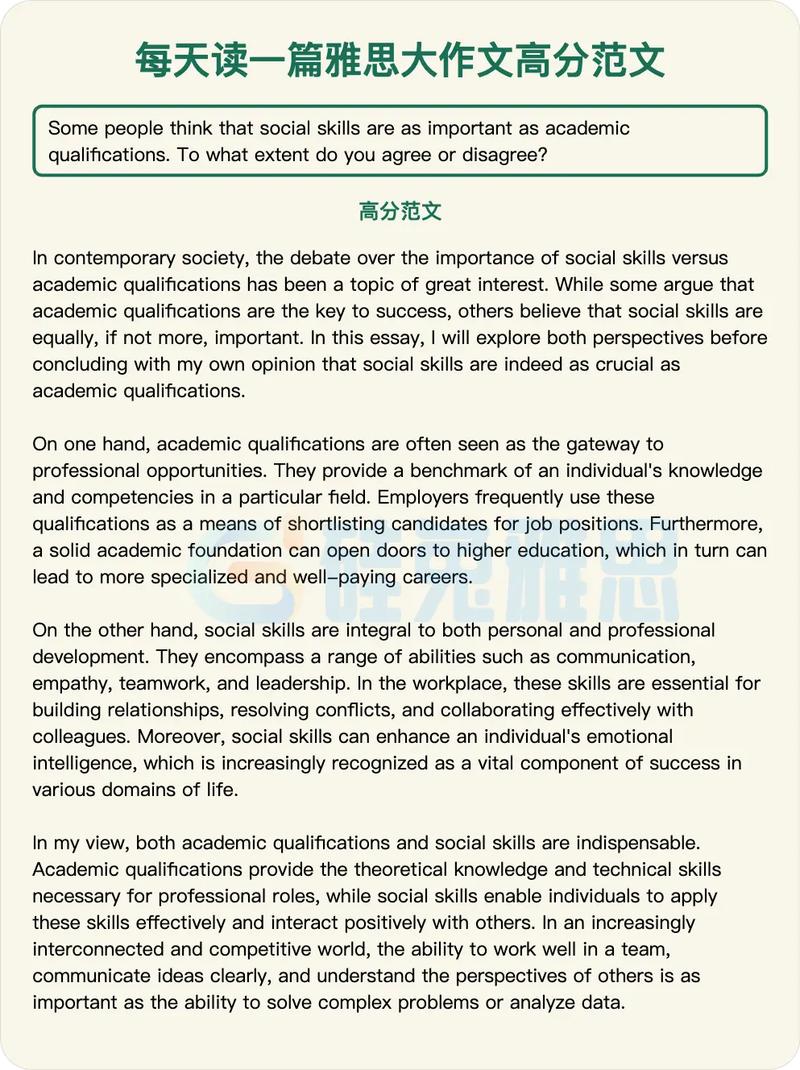
雅思大作文通常分为同意与否、讨论双方观点、利弊分析、报告类题型等,1月9日的题目若为“同意与否”类,可能围绕“技术发展是否加剧社会不平等”展开;若为“讨论双方观点”,则可能涉及“大学教育应侧重学术还是实践技能”,考生需注意题目中的限定词,如“some people believe”“others argue”,避免论证片面,若题目为“在线教育取代传统学校教育”,需从教育公平、互动体验、资源分配等角度对比,而非简单肯定或否定。
高频话题预测与论证方向
-
科技与教育
- 论证方向:
- 正方:在线教育打破地域限制,使偏远地区学生获取优质资源;AI个性化学习提升效率。
- 反方:缺乏面对面互动影响社交能力;数字鸿沟加剧教育不平等。
- 案例:可引用疫情期间全球在线教育普及率数据,或对比芬兰(注重传统课堂)与新加坡(融合科技)的教育成果。
- 论证方向:
-
社会与工作
- 论证方向:
- 话题示例:“远程办公是否成为主流趋势”。
- 正方:减少通勤时间,提高工作灵活性;企业降低办公成本。
- 反方:团队协作效率下降,影响企业文化传承;员工工作与生活界限模糊。
- 数据支撑:引用微软2025年远程办公报告,显示70%员工偏好混合办公模式,但生产力提升仅存在于特定行业。
- 论证方向:
-
环境与政策
 (图片来源网络,侵删)
- 论证方向:
- 话题示例:“个人环保行为 vs 政府政策,哪个更有效”。
- 政府政策:通过立法限制碳排放(如碳税)见效快;个人行为:培养环保意识需长期,但积累效应显著。
- 对比表格:
| 维度 | 政府政策 | 个人行为 |
|----------------|-----------------------------|-----------------------------|
| 实施效率 | 立法后快速见效 | 依赖公众意识,周期长 |
| 覆盖范围 | 强制性,全面覆盖 | 自愿性,存在个体差异 |
| 长期效果 | 需持续调整政策 | 形成社会文化,可持续性强 |
- 论证方向:
写作策略与技巧
-
审题与结构搭建
- 审题时圈出关键词(如“most effective”“more important”),明确题目要求。
- 结构建议:
- 引言:背景句+双方观点+个人立场(若要求)。
- 主体段1:论证一方观点(如政府政策),举例+数据+分析。
- 主体段2:论证另一方观点(如个人行为),转折词“however”引出对比。
- 总结双方平衡,重申个人立场(若有)。
-
论证方法多样化
- 举例法:具体案例增强说服力,如“哥斯达黎加通过生态旅游政策保护森林,同时带动经济发展”。
- 数据法:引用权威机构数据(如IEA、World Bank),避免模糊表述(如“many people”)。
- 因果链:分析逻辑关系,如“远程办公减少通勤→降低碳排放→改善空气质量,但可能导致员工社交孤立”。
-
语言表达提升
- 避免重复:替换“important”为“crucial”“vital”;“problem”用“dilemma”“predicament”。
- 复杂句式:运用非限制性定语从句(“The COVID-19 pandemic, which forced global lockdowns, accelerated online education adoption”)、倒装句(“Only when governments and individuals collaborate can environmental issues be effectively addressed”)。
- 学术词汇:如“mitigate”(减轻)、“disparity”(差异)、“paradigm shift”(范式转变)。
范文示例(虚拟题目)Some people believe that the government should take responsibility for reducing the climate change, while others think it is the responsibility of individuals. Discuss both views and give your opinion.**
In an era marked by escalating environmental crises, the question of who bears the primary responsibility for mitigating climate change has sparked intense debate. While some argue that governmental intervention is indispensable, others contend that individual actions hold the key to sustainable change. This essay will explore both perspectives before asserting that a synergistic approach is imperative.
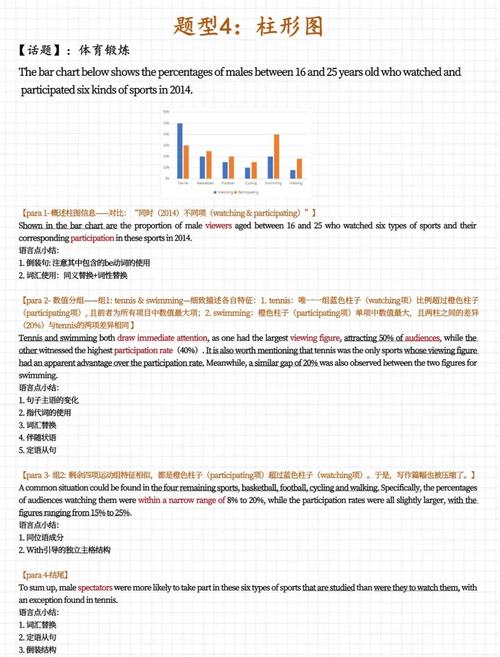
Proponents of governmental responsibility emphasize the capacity of states to enact large-scale policies. For instance, carbon taxation, implemented by over 40 countries including Sweden and Canada, has successfully reduced emissions by incentivizing industries to adopt cleaner technologies. Moreover, governments can allocate substantial funds to renewable energy projects—China’s investment in solar power, which accounts for 35% of global capacity, exemplifies how state-led initiatives can drive systemic change. Without such top-down measures, individual efforts may be rendered ineffective due to the dominance of high-emission sectors.
On the other hand, advocates for individual responsibility highlight the cumulative impact of daily choices. The proliferation of electric vehicles, driven by consumer demand, has prompted automakers like Volkswagen to shift production from fossil fuel to electric models. Similarly, reducing meat consumption, as practiced by 11% of the global population, significantly lowers carbon footprints, given that livestock farming contributes 14.5% to greenhouse gas emissions. These actions, though seemingly minor, collectively reshape market trends and corporate behaviors.
In conclusion, while governments provide the structural framework for climate action, individual behaviors fuel the societal shift necessary for long-term sustainability. Only through the collaboration of both can humanity effectively combat climate change.
相关问答FAQs
Q1: 雅思作文中是否需要背诵模板?
A1: 不建议完全依赖模板,过度使用模板会导致内容同质化,缺乏针对性,影响评分,考生应掌握灵活的框架结构(如“引言-主体-),但需根据题目填充个性化论据和语言表达,避免出现“it is universally acknowledged”等陈词滥调。
Q2: 如何在写作中平衡逻辑与词汇复杂度?
A2: 逻辑是核心,词汇复杂度为辅助,首先确保论证清晰(如每段有主题句、解释、例子),再逐步替换基础词汇为学术表达,用“exacerbate”替代“worsen”,但需确保准确使用,避免堆砌生僻词,优先保证语法正确性和句式多样性。