Zongzi, a traditional Chinese delicacy deeply rooted in cultural heritage, holds a special place in the hearts of many, especially during the Dragon Boat Festival. This iconic food, also known as rice dumplings, is not just a culinary delight but a symbol of tradition, family, and remembrance. Wrapped in bamboo or reed leaves, zongzi comes in various shapes, fillings, and flavors, each reflecting regional diversity and personal preferences. The process of making zongzi is a labor of love, often involving family members coming together to prepare and share this beloved treat, fostering bonds and creating lasting memories.
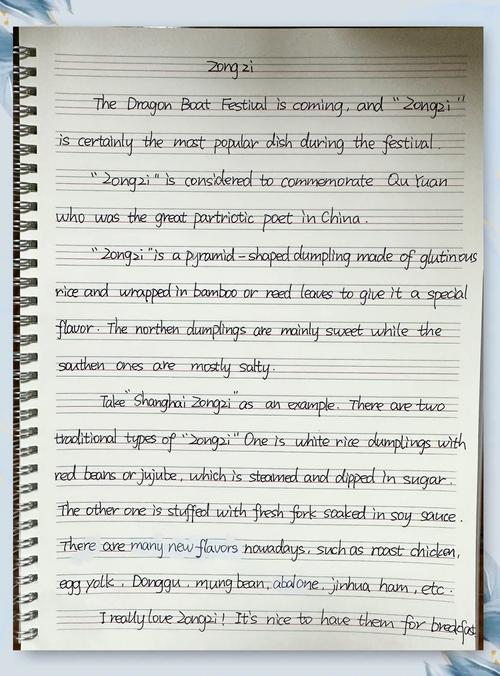
The history of zongzi dates back thousands of years, with legends tracing its origin to the poet Qu Yuan of the Warring States period. As the story goes, Qu Yuan drowned himself in a river, and locals threw rice dumplings into the water to prevent fish from eating his body. This act of devotion gave birth to the tradition of eating zongzi during the Dragon Boat Festival, a custom that has endured through generations. Over time, zongzi evolved from a simple offering to a complex culinary art, with each region developing its own unique style. For instance, in southern China, zongzi is often sweet, filled with ingredients like red bean paste, dates, or sweetened pork, while in the north, savory varieties with salted egg yolks, mushrooms, or fatty meat are more popular. The shape of zongzi also varies; some are pyramid-shaped, others cylindrical, and some even resemble small pillows, each requiring a specific wrapping technique to ensure the filling is securely enclosed.
The ingredients used to make zongzi are as diverse as its cultural significance. The outer wrapper is typically made of bamboo or reed leaves, which impart a unique fragrance to the rice when steamed or boiled. The rice itself can be glutinous, giving zongzi its characteristic chewy texture, or a mix of glutinous and regular rice for a lighter consistency. Fillings range from the traditional to the innovative: classic options include pork belly with salted egg yolks, chestnuts, and mushrooms, while modern twists might incorporate ingredients like cheese, chocolate, or fruits. Sweet zongzi often features red bean paste, lotus seed paste, or fresh mango, catering to those with a penchant for desserts. Regardless of the filling, the key to a delicious zongzi lies in the balance of flavors and the careful preparation of each component. The rice is marinated in soy sauce, five-spice powder, or other seasonings for savory varieties, or sweetened with sugar or honey for dessert-style zongzi. The fillings are often pre-cooked to ensure they are tender and flavorful, while the leaves are soaked to make them pliable for wrapping.
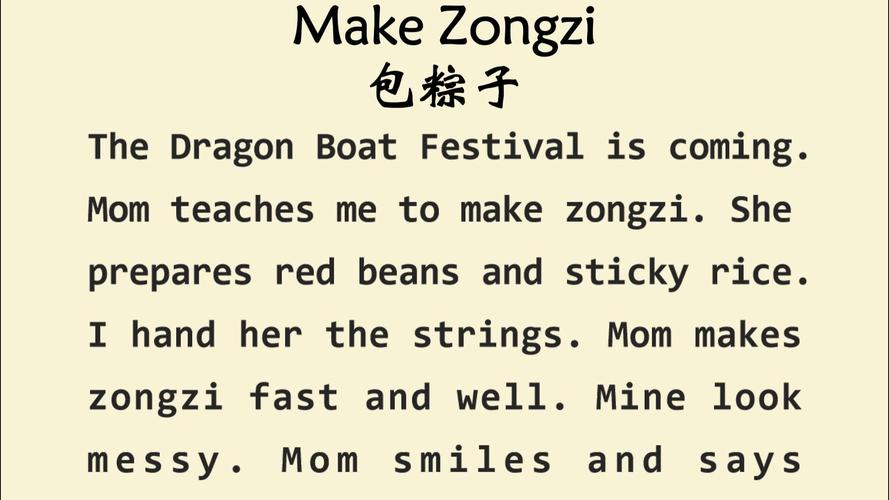
Making zongzi is a meticulous process that requires skill and patience. First, the leaves are washed and soaked to soften them, then folded into a cone shape to hold the filling. A layer of rice is placed at the bottom, followed by the desired ingredients, and another layer of rice is added to cover the filling. The leaves are then folded over and tied tightly with string or grass to prevent the rice from leaking out during cooking. The wrapped zongzi are usually boiled or steamed for several hours until the rice is fully cooked and the flavors have melded together. The result is a fragrant, steaming parcel that is unwrapped with anticipation, revealing the tender rice and savory or sweet filling within. In many families, the act of making zongzi is a communal activity, with elders teaching younger generations the traditional techniques, passing down not just a recipe but a piece of cultural heritage.
Beyond its culinary appeal, zongzi carries deep cultural and symbolic meaning. It represents unity and family reunion, as the process of making and sharing zongzi brings people together. During the Dragon Boat Festival, families gather to exchange zongzi, strengthening relationships and honoring their ancestors. The festival itself is a time to remember Qu Yuan’s patriotism and to celebrate the values of loyalty and integrity. Zongzi also symbolizes prosperity and good fortune, as its shape resembles ancient gold ingots, making it a popular gift during festive seasons. In modern times, zongzi has transcended its traditional role and become a global ambassador of Chinese cuisine, enjoyed by people worldwide who appreciate its unique taste and cultural significance.
Despite its popularity, zongzi is not without its challenges. The traditional method of preparation is time-consuming and labor-intensive, requiring hours of preparation and cooking. Additionally, the high calorie content of some varieties, particularly those with fatty meats or sweet fillings, has led to concerns about health. However, innovative adaptations have emerged to address these issues, such as using whole-grain rice for a healthier twist or creating low-sugar versions for those with dietary restrictions. Pre-packaged zongzi is also widely available, making it convenient for busy individuals to enjoy this traditional treat without the hassle of homemade preparation.
In conclusion, zongzi is more than just a food; it is a cultural artifact that embodies the history, traditions, and values of the Chinese people. Its rich flavors, diverse varieties, and deep symbolism make it a cherished delicacy enjoyed by millions. Whether enjoyed as a savory snack, a sweet dessert, or a festive gift, zongzi continues to bring joy and connection to people around the world. As traditions evolve and new generations embrace this timeless delicacy, zongzi remains a testament to the enduring power of food to unite, celebrate, and preserve cultural identity.
FAQs
-
What is the difference between northern and southern zongzi?
Northern zongzi is typically savory, featuring fillings like salted egg yolks, pork, and mushrooms, and is often wrapped in reed leaves with a square shape. Southern zongzi tends to be sweet, with ingredients such as red bean paste, dates, or sweetened pork, and is usually wrapped in bamboo leaves in a pyramid or cone shape. Regional preferences and ingredients reflect the culinary diversity of China. (图片来源网络,侵删)
 -
Can zongzi be frozen for later consumption?
Yes, zongzi freezes well and can be stored for up to three months. To freeze, wrap the cooled zongzi tightly in plastic wrap or place them in an airtight container. When ready to eat, thaw them in the refrigerator and reheat by steaming or boiling to restore their texture and flavor. Freezing is a convenient way to preserve homemade or store-bought zongzi for future enjoyment.