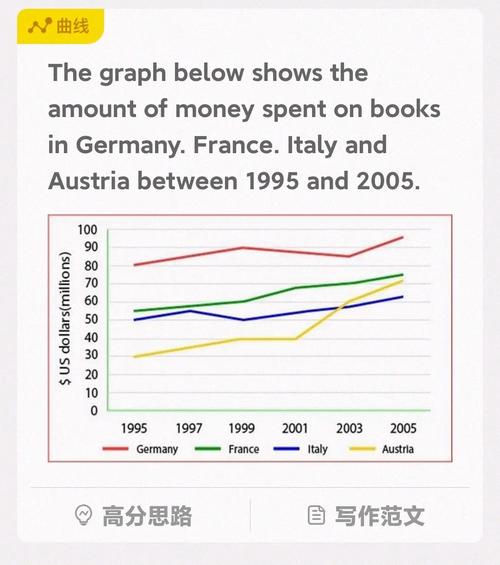
雅思小作文中的波动描述是数据类图表题的核心考点之一,主要涉及对数据变化趋势、幅度及特征的精准呈现,无论是线形图、柱状图还是表格数据,考生都需要通过严谨的逻辑和多样的词汇,清晰展现数据在不同时间点或类别间的动态变化,本文将从波动描述的核心要素、常用词汇与句式、结构框架及注意事项四个方面展开详细解析,帮助考生掌握波动类题型的写作技巧。
波动描述的核心要素
波动描述并非简单罗列数据,而是需要提炼数据变化的“规律性特征”,核心要素包括:变化趋势(上升、下降、波动)、变化幅度(剧烈、轻微、平稳)、极值点(峰值、谷值)及转折点(趋势变化的关键节点),描述某地气温年变化时,需明确“夏季达到峰值(如35℃),冬季跌至谷值(如5℃),春秋季节波动较小(如10-20℃之间徘徊)”,而非仅列举每月温度数据,还需注意数据间的关联性,如“A指标上升时,B指标同步下降”等对比关系,以体现分析的深度。
常用词汇与句式
(一)趋势描述词汇
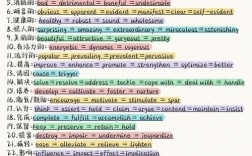
- 上升类:increase, rise, grow, surge, soar, climb, escalate, jump, leap
- 稳步上升:increase steadily/r gradually
- 急剧上升:surge/sharply/rapidly/dramatically
- 达到峰值:peak at / reach a high of / hit the highest point of
- 下降类:decrease, decline, drop, fall, dip, slump, plummet, reduce
- 缓慢下降:decrease slowly/slightly
- 急剧下降:plummet/sharply/dramatically
- 跌至谷值:hit a low of / reach the bottom at / drop to the lowest point of
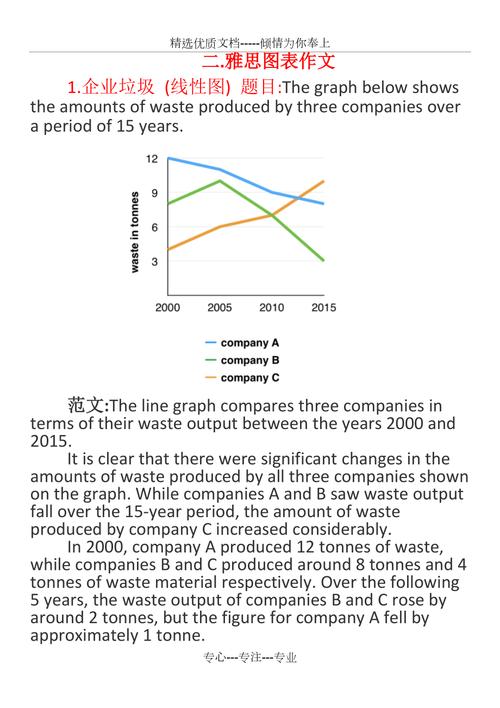
- 波动类:fluctuate, vary, oscillate, swing, go up and down
- 小幅波动:fluctuate slightly/moderately
- 大幅波动:fluctuate wildly/sharply
- 在...间波动:fluctuate between A and B
(二)幅度与程度副词
- 剧烈:dramatically, sharply, drastically, significantly, substantially
- 轻微:slightly, marginally, modestly, gently
- 平稳:steadily, gradually, consistently, moderately
(三)句式结构
- 基础描述:
- The number of A increased from X in 2025 to Y in 2025.
- B witnessed a steady rise/reach its peak at Z.
- 复合句(含转折、对比):
- While A showed an upward trend, B experienced a slight decline.
- Despite fluctuations in the early period, the data stabilized after 2025.
- 强调极值与转折:
- The figure for A peaked at 100 in 2025, after which it began to drop.
- A significant shift occurred in 2025, when the growth rate accelerated dramatically.
波动描述的结构框架
(一)开头段:概述核心趋势
开头需用1-2句话概括图表最显著的整体波动特征,避免细节堆砌。
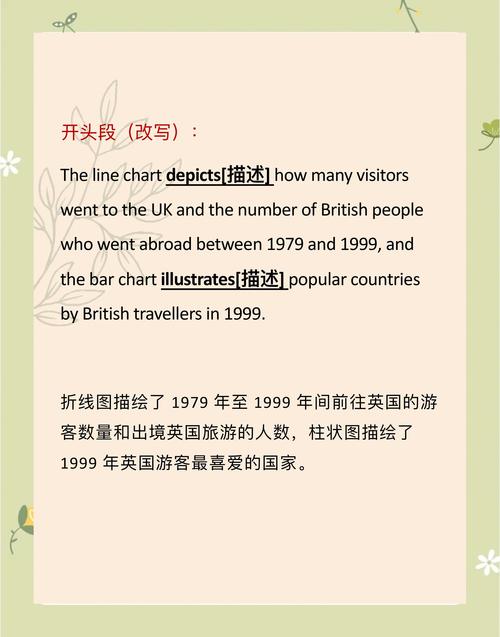
"The line graph illustrates the changes in the population of City A from 2025 to 2025. Overall, the population experienced three distinct phases: a rapid increase from 2025 to 2025, a slight decline between 2025 and 2025, and a stabilization at around 5 million thereafter."
(二)主体段:分段描述波动细节
根据时间节点或数据类别分段,每段聚焦1-2个核心波动特征,结合具体数据支撑,可按“趋势+幅度+极值/转折”的逻辑展开,
"From 2025 to 2025, the population surged from 3 million to 4.5 million, representing a 50% increase within three years. This dramatic growth was primarily driven by urbanization policies, which attracted large numbers of rural migrants. However, the trend reversed between 2025 and 2025, when the number dropped by 0.3 million to 4.2 million. The decline was attributed to the outbreak of COVID-19, which led to reduced job opportunities and increased emigration. After reaching a low point in 2025, the population stabilized, fluctuating marginally between 4.1 and 4.3 million from 2025 to 2025."
(三)结尾段:总结规律或对比关系
结尾需重申核心波动规律,或对比不同数据组的变化差异,避免新增信息。
"In summary, the population of City A exhibited a volatile trend during the decade, characterized by rapid growth, temporary decline, and eventual stabilization. Compared to the national average growth rate of 2%, City A's performance reflected the impact of both policy and external shocks on urban demographics."
注意事项
- 数据准确性:避免凭空编造数据,需严格依据图表信息描述,但对“约数”可合理处理(如“approximately 5 million”)。
- 逻辑连贯性:使用连接词(however, meanwhile, in contrast)串联不同阶段的波动,体现时间或逻辑顺序。
- 词汇多样性:避免重复使用同一词汇(如多次用“increase”),可替换为同义词或短语(如“grow”“rise”“climb”)。
- 客观性:不添加个人观点,仅基于数据描述趋势,不解释原因(除非图表明确给出原因)。
相关问答FAQs
Q1: 描述波动时是否需要引用所有数据点?
A1: 无需引用所有数据点,应选取关键数据(如极值、转折点、起始/结束值)支撑趋势描述,若数据跨度为10年,可选取“2025年(起始)、2025年(峰值)、2025年(谷值)、2025年(结束)”四个关键节点,避免信息过载。
Q2: 如何区分“fluctuate”和“vary”在描述波动时的用法?
A2: “Fluctuate”强调数据在“一定范围内反复变化”,常用于描述短期、高频波动(如股票价格每日波动);“vary”则侧重“数据间存在差异”,可用于不同类别间的对比(如不同年龄组的消费习惯差异)。“The temperature fluctuated between 20℃ and 25℃ throughout the day.”(日内波动);“The results vary significantly across different age groups.”(类别间差异)。