托福口语中谈论“movie”这一话题时,考生需要围绕电影类型、情节、角色、个人感受等维度展开,同时注意逻辑连贯、语言准确和细节丰富,以下将从常见电影类型、描述技巧、高分表达及实例分析等方面进行详细说明,并辅以表格总结关键表达,最后提供相关FAQs。

在托福口语中,当被问及“Describe a movie you like”或“Talk about a movie that impressed you”时,首先需要明确电影的基本信息,如片名、类型、导演(若知晓),若选择《肖申克的救赎》,可先说明:“The movie I want to talk about is The Shawshank Redemption, a classic drama directed by Frank Darabont.” 需简要介绍电影的核心情节,避免冗长,突出关键转折点,可描述主角Andy Dufresne被冤入狱后,如何在监狱中通过智慧和毅力获得自由,同时影响狱友Red的过程,在描述情节时,建议使用“Initially...”“Later...”“Eventually...”等时间连接词,使逻辑更清晰。
对于电影类型的描述,不同类型有不同的侧重点,若为动作片,可强调“fast-paced plot”“intense action scenes”“stunts”;若为喜剧片,可提及“humorous dialogues”“slapstick elements”“relatable situations”;若为科幻片,则需涉及“innovative special effects”“futuristic setting”“thought-provoking themes”,以下表格总结了常见电影类型及相关高频表达:
| 电影类型 | 核心特点 | 高频表达举例 |
|---|---|---|
| 动作片 | 紧张刺激、打斗场面 | “adrenaline-pumping chase scenes”“explosive fight sequences”“heroic sacrifice” |
| 喜剧片 | 轻松幽默、引发笑声 | “witty punchlines”“awkward yet funny situations”“feel-good ending” |
| 科幻片 | 未来科技、想象丰富 | “groundbreaking CGI”“time-travel paradox”“dystopian society” |
| 剧情片 | 情感深刻、人物成长 | “emotional depth character development”“thought-provoking themes”“tear-jerker moments” |
| 纪录片 | 真实记录、教育意义 | “eye-witness interviews”“archival footage”“social issues exploration” |
在描述电影角色时,需突出其性格特点和对情节的作用,分析《肖申克的救赎》中的Andy时,可说:“Andy is portrayed as a quiet yet resilient man, who maintains hope even in despair. His intelligence helps him outsmart the prison system, making him a symbol of perseverance.” 可结合演员的表演,如“Morgan Freeman’s narration adds authenticity to Red’s character, making the audience empathize with his journey.”
个人感受是托福口语回答的重要组成部分,需具体且真诚,避免泛泛而谈“it’s great”,而是结合电影细节展开。“What struck me most was the theme of hope. Even after being imprisoned for 20 years, Andy never gave up on his dream of freedom. This taught me that optimism can be a powerful force in overcoming adversity.” 可提及电影对自己的影响,如:“It changed my perspective on challenges—I now believe that patience and determination can lead to breakthroughs, just like Andy’s tunneling escape.”
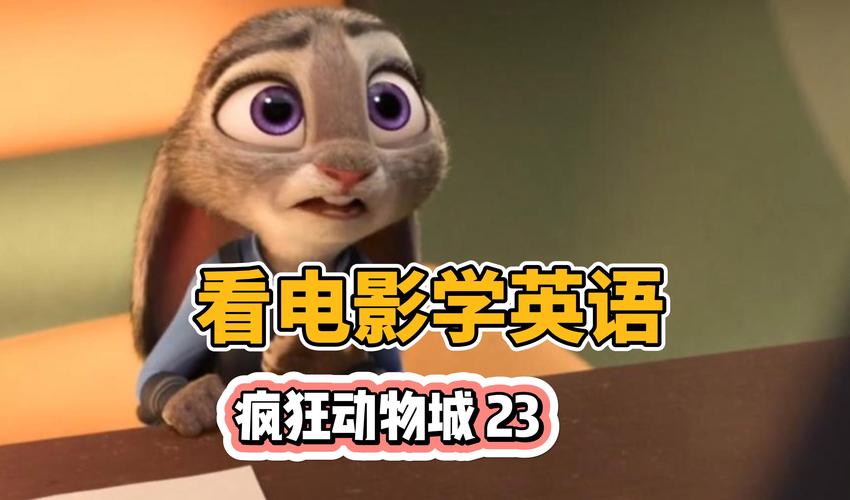
为了提升口语回答的流畅度,建议使用多样化的句式和连接词,对比观点时可用“While some might find the movie slow, I appreciate its focus on character development.” 表达强烈感受时可用:“The climax scene where Andy escapes left me completely speechless—it was brilliantly directed!” 适当使用习语或短语能加分,如:“The movie is a must-see for anyone who needs a dose of inspiration”或“I was on the edge of my seat during the suspenseful scenes.”
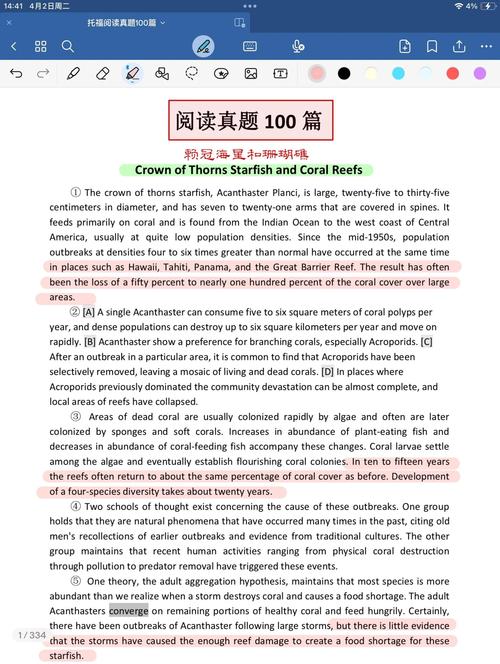
在备考时,考生可准备3-5部不同类型的电影,确保每个类型都有相关词汇和素材储备,准备一部动画片(如《寻梦环游记》)、一部历史片(如《辛德勒的名单》)和一部爱情片(如《泰坦尼克号》),以应对不同题目,练习时,注意控制时间,独立口语部分(Task 1-2)建议回答45秒,综合口语部分(Task 3-4)需根据听力和阅读内容提炼关键信息,避免偏离主题。
需注意发音和语调的自然,即使内容丰富,若发音含糊或语调平仄,也会影响得分,建议录音后回听,纠正错误,并模仿母语者的节奏和重音,在描述紧张情节时,可适当加快语速并提高音调;表达感人时刻时,放慢语速,降低音调,增强感染力。
相关问答FAQs
-
Q: 在托福口语中描述电影时,是否需要提及导演或演员的名字?
A: 若记得导演或主要演员的名字,提及可以增加回答的具体性,Directed by Christopher Nolan, Inception explores the concept of dreams within dreams.” 但如果不确定名字,不必强求,可用“the director”或“the main actor”代替,重点应放在电影内容和感受上,而非单纯罗列信息。 -
Q: 如何避免在描述电影情节时过于冗长,导致超时?
A: 遵循“总-分-总”结构,先简要介绍电影类型和主题,再选取1-2个关键情节(如开头冲突、高潮转折、结局)简述,最后结合个人感受收尾。“The movie tells a story of a young wizard’s journey (总). In the beginning, he discovers his magical abilities; later, he battles a dark wizard to save the world (分). I loved how it showed courage and friendship (总).” 避免细节堆砌,确保每个部分简洁明了。