
雅思作文要达到7.0分,需在任务完成、连贯与衔接、词汇资源、语法范围与准确性四个维度均表现出色,以下从评分标准解析、实战策略及常见误区三方面展开详细说明,辅以具体案例和表格对比,帮助考生明确提升路径。
评分标准深度解析与突破方向
雅思作文7.0分的核心要求是“有效回应任务且有充分展开,观点清晰连贯,词汇语法多样且错误较少”,具体来看:
任务完成(Task Response)
-
核心要求:完整回应所有题目要求,立场明确,论点充分展开,能提供相关细节和例子支撑观点。
-
0分标准:
- 审题精准,不偏离主题(如同意与否类作文需明确表态,利弊分析需平衡正反双方)。
- 观点有层次,通常包含2-3个分论点,每个分论点下有1-2句解释或具体例子。
- 字数达标(Task 1至少150词,Task 2至少250词),结构完整(引言-主体-。
-
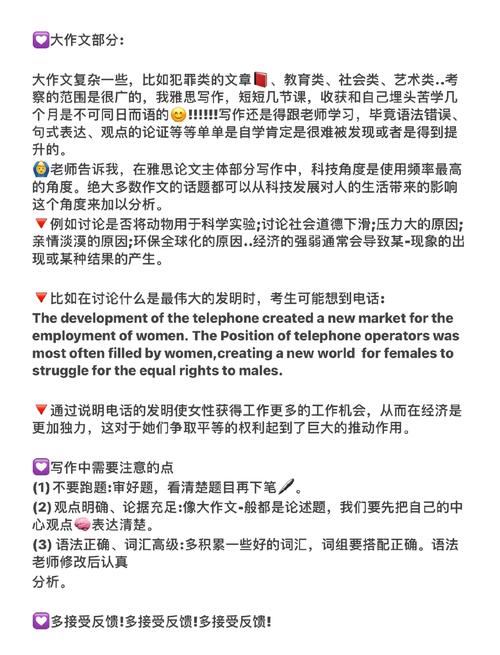
案例对比: “Some people think that university education should be free for everyone. To what extent do you agree or disagree?”
 (图片来源网络,侵删)
- 0分案例:“I agree that university education should be free. Education is important for society. If it is free, more people can study.”(观点模糊,论点未展开,缺乏细节)
- 0分案例:“I fully agree that university education should be tuition-free. Firstly, free higher education promotes equal opportunities, allowing students from low-income families to access academic resources without financial barriers, which fosters social mobility. For instance, in countries like Germany, where public universities charge no tuition, the proportion of students from disadvantaged backgrounds has increased by 20% over the past decade. Secondly, an educated workforce drives economic innovation, as seen in nations with high tertiary enrollment rates, which consistently rank top in global competitiveness indices.”(立场明确,分论点+数据案例支撑,逻辑清晰)
连贯与衔接(Coherence and Cohesion)
-
核心要求:信息组织有条理,段落衔接自然,灵活使用衔接手段,不显机械。
-
0分标准:
- 段落结构清晰:每段聚焦一个分论点,主题句明确(通常位于段首)。
- 衔接手段多样:除基础连接词(however, therefore)外,能使用指代(this trend, such a situation)、重复关键词(替换为同义词)、逻辑关系词(consequently, on the grounds that)等。
- 指代清晰,避免歧义,全文连贯流畅。
-
段落结构示例:
| 段落构成 | 功能说明 |
|----------------|--------------------------------------------------------------------------|
| 主题句 | 概括本段核心观点,如 “The primary benefit of free university education is enhanced social equity.” |
| 解释句 | 阐述主题句,说明原因或机制,如 “Financial constraints often deter talented individuals from pursuing higher degrees, regardless of their academic potential.” |
| 举例/数据 | 提供具体证据,如 “A 2025 OECD report shows that in tuition-free systems, students from the lowest income quartile are 35% more likely to enroll in university compared to those with fees.” |
| 小结句 | 过渡或强调,如 “Thus, removing financial barriers not only benefits individuals but also strengthens societal equality.” |
词汇资源(Lexical Resource)
-
核心要求:词汇使用准确、多样,能灵活运用搭配和习语,尝试使用非常规词汇但需确保正确性。
-
0分标准:
- 词汇广度:避免重复使用基础词汇(如用 “diminish” 替代 “reduce”,“alleviate” 替代 “ease”)。
- 词汇搭配:掌握高频学术搭配(如 “exert pressure on”, “catalyze economic growth”)。
- 拼写和词性准确,避免因用词不当影响理解。
-
词汇替换示例:
| 基础词汇 | 7.0分替换词/搭配 |
|----------------|-------------------------------------------|
| important | crucial, pivotal, indispensable |
| many | a multitude of, a considerable number of |
| solve the problem | address the issue, tackle the dilemma |
| good | beneficial, advantageous, conducive to |
语法范围与准确性(Grammatical Range and Accuracy)
-
核心要求:能运用多种复杂句结构,语法错误较少,不影响理解。
-
0分标准:
- 句式多样:包含简单句、复合句(并列句、从句)、复杂句(非谓语动词、倒装、虚拟语气等)。
- 语法准确:时态、语态、主谓一致等基本语法正确,复杂结构错误率低(如偶尔的冠词或介词错误可接受)。
- 标点符号使用规范,尤其是逗号、分号的使用。
-
句式升级示例:
- 简单句:“Free education helps poor students.”
- 复合句:“While free education places a financial burden on governments, it enables students from impoverished backgrounds to pursue higher learning.”
- 复杂句:“Providing tuition-free university education, which is advocated by many educational economists, could potentially alleviate social inequality by ensuring equal access to academic opportunities for all individuals, regardless of their socioeconomic status.”
实战策略与备考建议
审题与构思:3分钟精准定位
- 方法:圈出题目关键词(如 “agree or disagree”, “causes and solutions”),明确任务类型;列出观点和例子,避免偏题。
- 工具:使用“头脑风暴表格”梳理思路:
| 观点方向 | 解释/原因 | 例子/数据 |
|----------------|------------------------|------------------------|
| 支持免费教育 | 促进教育公平 | 德国低收入家庭学生占比提升 |
| 反对观点 | 增加政府财政压力 | 某国教育支出占GDP比例过高 |
| 折中观点 | 针对特定专业减免学费 | STEM专业免费,人文类收费 |
结构搭建:模板化框架个性化填充
-
Task 2(议论文)经典结构:
- 引言(50词):背景句+题目改写+立场(“This essay will argue that…”)。
- 主体段1(80词):主题句+解释+例子+小结。
- 主体段2(80词):主题句+解释+例子+小结。
- 让步段(50词,可选):承认对立观点合理性,转折后重申立场(“While opponents argue…, this overlooks…”)。
- 50词):总结观点+升华(“In conclusion, it is imperative that…”)。
-
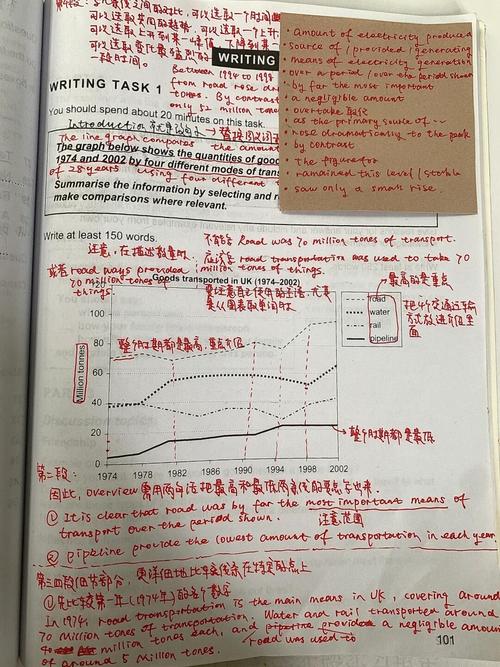
Task 1(图表作文)核心步骤:
- 概述(2句话):概括核心趋势(如 “The chart illustrates the changes in… over a decade, with a significant increase in…”)。
- 细节分段:按数据类型(最大值/最小值、变化趋势)或时间/类别分段,每段聚焦1-2个关键数据,对比分析。
词汇语法:刻意练习避免“假大空”
- 词汇积累:按话题分类(教育、环境、科技),整理高频搭配和同义词替换,避免堆砌生僻词。
- 语法训练:每周练习3种复杂句结构(如定语从句、状语从句、倒装句),写完后检查时态、主谓一致。
模考与反馈:限时修改提升敏感度
- 限时写作:Task 1用20分钟,Task 2用40分钟,模拟考试压力。
- 反馈重点:对照评分标准,检查是否遗漏任务要求、衔接是否生硬、词汇语法错误是否影响理解,可使用Grammarly等工具辅助,但需人工判断语境合理性。
常见误区与避坑指南
- 观点绝对化:避免使用 “all”, “never” 等词汇,改用 “tend to”, “in most cases” 等表达,体现辩证思维。
- 例子空泛:例子需具体(如 “According to a 2025 survey by the University of Cambridge, 78% of students…”),而非泛泛而谈( “Many people think…”)。
- 衔接词滥用:不要每句都用 “Firstly, Secondly, Moreover”,可通过逻辑关系自然衔接(如 “This trend, however, has sparked debates…”)。
- 忽视Task 1数据对比:Task 1不仅要描述数据,还要分析差异(如 “The number of A was twice as much as that of B in 2025”),而非简单罗列数字。
相关问答FAQs
Q1: 雅思作文7.0分是否需要使用大量高级词汇和复杂句?
A1: 不必刻意堆砌高级词汇或复杂句,7.0分更看重“准确性”和“恰当性”——用词需符合语境,复杂句需确保语法正确,用 “a significant rise” 比 “a prodigious augmentation” 更自然;简单句结构清晰、无语法错误,比错误百出的复杂句得分更高,关键是实现“基础句准确无误+复杂句灵活运用”的平衡。
Q2: 写作时间不够用,如何平衡Task 1和Task 2的时间分配?
A2: 建议Task 1控制在20分钟内,Task 2用40分钟,具体策略:Task 1用3分钟审题和构思,12分钟写作,5分钟检查;Task 2用3分钟审题和列提纲,30分钟写作,7分钟检查,若时间紧张,Task 1可精简细节描述,优先保证核心趋势和关键数据的准确性,避免因小失大,平时需通过模考训练时间管理,形成稳定的写作节奏。