对于许多英语学习者而言,雅思写作6分是一个关键门槛,它代表着写作能力达到合格水平,能够基本有效地进行书面交流,要达到这一目标,不仅需要语言知识的积累,更需要掌握清晰的写作逻辑与有效的论证方法,以下内容将围绕如何构建一篇合格的雅思议论文展开,并提供一篇范文供参考。

理解评分标准:通往6分的清晰路径
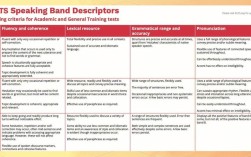
雅思写作任务二的评分基于四项标准:任务回应、连贯与衔接、词汇资源、语法范围与准确性,要获得6分,考生需要在每个方面都展现出“足够”的能力。
在任务回应上,文章必须完整回应题目所有部分,提出一个清晰立场,并给出相关主要观点进行拓展,尽管拓展可能不够充分或有时不够具体,连贯与衔接要求信息安排有逻辑性,使用适当的衔接手段,但可能使用不足、过多或不够精准,词汇方面,需使用足够广泛的词汇尝试表达准确含义,尽管可能出现用词错误或搭配不当,语法上,应混合使用简单与复杂句式,即使复杂句可能包含错误,且标点符号有时使用不当。
构建文章骨架:逻辑清晰是关键

一篇结构清晰的议论文是获得6分的基础,建议采用经典的四段式或五段式结构。
开头段应简洁明了,通常包含两到三句话,第一句引入话题背景,第二句重述问题表明理解,第三句明确给出个人观点或文章将要讨论的方向,避免开头过于冗长或使用模板化句子。
主体段落是文章核心,每个段落应集中阐述一个核心论点,推荐使用“主题句-解释-例证-小结”的段落结构,主题句明确本段主旨;解释句对论点进行展开说明;例证句提供具体例子支撑观点,例子可以来自个人经历、社会观察或常识,无需刻意追求高深;小结句简要重申本段论点,增强段落凝聚力,段落之间使用恰当的连接词,如“Firstly,” “Moreover,” “On the other hand,” 体现逻辑推进。
结尾段需总结全文主要观点,并重申或明确个人立场,避免引入全新信息,应是对前文的自然收束,力求简洁有力。

语言运用:准确性与多样性并重
在词汇层面,追求准确使用比追求生僻词更重要,熟练掌握与常见话题相关的词汇群,如教育、科技、环境、文化等,注意同义词的替换使用,但必须确保语境正确,表达“重要”时,可交替使用“important, significant, crucial”,但需注意细微差别。
语法方面,展现句式多样性是加分项,有意识地将简单句、并列句、复合句结合使用,尤其要练习使用状语从句、定语从句和名词性从句,即使偶尔出现语法错误,只要不影响理解,且整体句式结构有变化,仍能达到6分要求,常见需巩固的语法点包括:主谓一致、时态统一、冠词使用和介词搭配。
范文示例与分析 Some people believe that the best way to improve public health is by increasing the number of sports facilities. Others think that this has little effect and other measures are required. Discuss both views and give your own opinion.
范文:
The relationship between sports facilities and public health is a topic of frequent discussion. While some argue that expanding such infrastructure is the most effective strategy, others contend that this approach alone is insufficient. This essay will examine both perspectives before concluding that a comprehensive plan incorporating multiple measures is necessary for significant health improvement.
Proponents of increasing sports facilities present a compelling case. They believe that easy access to gyms, swimming pools, and running tracks directly encourages physical activity. When people find convenient and affordable venues nearby, they are more likely to engage in regular exercise. For instance, the construction of community fitness parks in many urban areas has been linked to higher rates of resident participation in morning jogging or group sports. Regular exercise strengthens the cardiovascular system, helps maintain a healthy weight, and reduces the risk of chronic diseases like diabetes. Therefore, from this viewpoint, investing in sports infrastructure is a foundational step toward a healthier society.
However, critics of this single-focused approach highlight its limitations. They point out that merely providing facilities does not guarantee their use. Factors such as lack of time due to long working hours, low health awareness, or sedentary lifestyles rooted in modern entertainment can prevent individuals from visiting these places. More impactful measures, they argue, might include public education campaigns about nutrition and preventive care, government regulations on food advertising—especially targeting children, and policies that promote work-life balance. For example, a national health campaign educating citizens about the dangers of excessive sugar consumption could lead to better dietary choices, complementing the benefits of physical activity.
In my view, neither perspective should be considered in isolation. Sports facilities are undoubtedly a vital component, creating the opportunity for exercise. Yet, without parallel efforts to address knowledge gaps and modify daily habits, their potential remains unrealized. A synergistic approach yields the best results. Governments should indeed invest in accessible recreational spaces, but simultaneously launch educational programs in schools and workplaces, and consider fiscal policies like taxing sugary drinks. This multi-pronged strategy addresses both the environment and personal behavior, creating a stronger foundation for lasting public health improvement.
Ultimately, enhancing public health is a complex challenge requiring a multifaceted solution. Prioritizing sports facility development is beneficial, but it must be integrated with broader educational and policy initiatives to achieve a substantial and sustained positive impact on community well-being.
分析: 此文结构清晰,完整回应了题目要求,开头段引入话题,明确讨论双方观点并亮出自身立场,两个主体段分别阐述对立观点,每段均有主题句、解释和具体例证,词汇使用恰当,如“proponents”, “compelling case”, “sedentary lifestyles”, “synergistic approach”等,展现了足够的广度,语法上混合使用了多种从句结构,如“When people find…”状语从句,“…campaigns that educate…”定语从句,虽然个别句子可进一步优化,但整体错误较少,连贯性好,符合6分标准。
提升写作是一个持续过程,建议学习者定期练习,限时完成文章,并请教师或有经验者批改,重点关注逻辑展开和语言错误,精读优质范文,分析其段落推进和论证方法,比单纯背诵句子更为有效,通过持续积累与针对性练习,掌握清晰表达思想的能力,雅思写作6分的目标便能稳步达成。