掌握谈论美食的技巧,无疑是雅思口语考试中一项美味又实用的技能,这个话题高频出现,不仅能展现词汇丰富度,更能传递个人生活热情与文化理解,本文将深入探讨如何用地道、生动的语言描述心仪的食物,并借助最新数据与实例,助您在考场上自信表达。
构建地道词汇库:超越“Delicious”
若想表达脱颖而出,必须建立分层次、多维度的词汇网络。
- 风味描述:避免反复使用“tasty”或“nice”,可以尝试:
- 浓郁丰富:rich, flavorful, hearty, savory, decadent.
- 清新爽口:refreshing, light, tangy, zesty, crisp.
- 独特风味:aromatic, smoky, spicy, bittersweet, creamy.
- 口感描绘:这是展现细节的关键。
- 酥脆:crispy, crunchy.
- 柔滑:smooth, silky, tender, melt-in-your-mouth.
- 有嚼劲:chewy, al dente (特指意大利面口感).
- 烹饪方式:准确使用动词能让描述更专业。
- 炒:stir-fry, sauté.
- 烤:roast (肉类), bake (烘焙), grill (烧烤).
- 蒸/炖:steam, stew, braise.
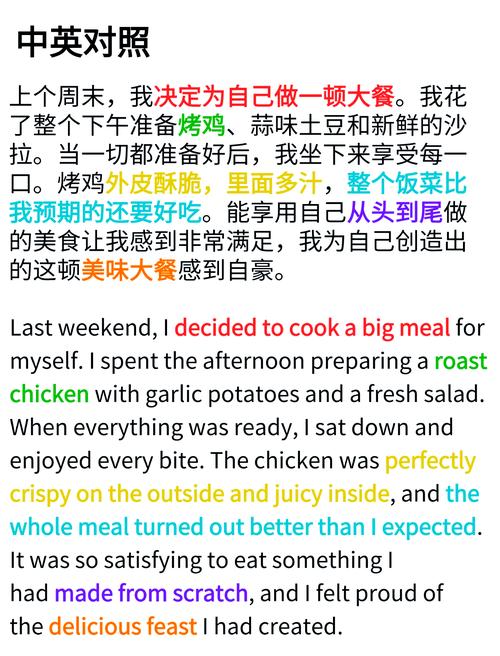
描述一道中式红烧肉,可以这样说:“It's a classic Shanghainese dish. The pork belly is braised slowly until it becomes incredibly tender and melt-in-the-mouth. The sauce is rich, savory, and with a perfect balance of sweetness. It's a real comfort food for me.”
结构化表达:让叙述逻辑清晰
在Part 2描述“喜欢的一道菜”时,一个清晰的结构至关重要,建议采用“PAR”结构:
- P (Point - 引出):开门见山说出食物名称,并表达整体感受。“The dish I’d like to talk about is Hot Pot, which is not just a meal but a social experience for me.”
- A (Analysis - 详述):这是核心部分,可以从外观、香气、味道、口感、制作过程、食用场合等多角度展开,重点在于讲述个人故事和感受,而不仅是客观描述。“I vividly remember the first time I had authentic Sichuan hot pot. The aroma of Sichuan peppercorns and chili hit me immediately. Dipping a slice of tender beef into that fiery, numbing broth is an exhilarating experience. It’s always the centerpiece of gatherings with my closest friends.”
- R (Reflection - 反思/意义):升华话题,谈论这道菜对您的意义,或它反映的文化内涵。“To me, it symbolizes warmth and connection. The shared pot represents how people come together, sharing not just food but stories and laughter.”
融入文化视角与最新趋势
将食物与文化、个人记忆或当前趋势结合,能极大提升回答深度,体现思考能力,谈论喜欢的水果时,可以联系到健康生活趋势。
根据国际食品信息理事会(IFIC)发布的《2024年食品与健康调查报告》,消费者对食物的选择正日益受到健康与可持续性驱动,我们可以引用相关洞察来佐证观点:
| 趋势维度 | 具体表现 | 数据/观点来源 |
|---|---|---|
| 健康导向 | 追求食物对身心健康的益处,如增强免疫力、改善情绪。 | IFIC 2024报告指出,约半数消费者积极寻找有益于身心健康的食物成分。 |
| 植物基风潮 | 出于健康、环保或伦理原因,对植物性替代品的兴趣持续增长。 | 报告显示,尝试过植物性蛋白质的消费者比例保持稳定高位。 |
| 可持续关注 | 关注食物来源、生产过程对环境的影响。 | 环境影响已成为近三分之一消费者购买决策的重要因素。 |
(数据来源:International Food Information Council (IFIC), 2024 Food & Health Survey)
在口语中,可以这样运用:“I’m really into blueberries lately. They’re not only sweet and slightly tangy, but I also read that they’re packed with antioxidants. It aligns with my growing interest in functional foods that support well-being, a trend that’s really taking off now.”
应对深入提问:Part 3的思辨讨论
在Part 3,考官可能围绕“饮食文化变迁”、“食品安全”或“全球化对饮食的影响”等抽象话题提问,需要展现辩证思考能力。
- 观点清晰:首先明确表达你的立场。“I believe globalization has a double-edged effect on local food cultures.”
- 论据支撑:用具体例子支撑观点。“On one hand, it allows people to enjoy sushi in London or tacos in Tokyo, fostering cultural appreciation. We can see the rising global popularity of specific cuisines, like Korean kimchi or Japanese matcha, which often gets featured on international food media.”
- 平衡论述:“On the other hand, there’s a risk that some authentic, traditional cooking methods might be simplified or altered to suit global tastes, which could lead to a loss of culinary heritage.”
实战演练与常见误区
- 勤于练习:针对不同食物(家乡菜、水果、外食经历)准备多个故事框架,反复录音,聆听自己的流利度与用词。
- 避免误区:
- 死记硬背:背诵范文易让表达生硬,记住关键词和框架,用自己的语言组织。
- 忽视交流感:保持自然眼神接触(线上考试则看摄像头),用语调变化传递情感。
- 害怕停顿:短暂思考时,使用“Well,” “You know,” “Let me think”等自然填充词,远胜于长时间的沉默或“emm”。
谈论喜欢的食物,本质是分享热情与记忆,当您能用精准、生动且富有感染力的英语,将一种味道、一段回忆或一种文化理解娓娓道来时,您展现的不仅是语言能力,更是一个鲜活的、有趣的个体形象,这正是雅思口语考试所看重的沟通本质,从今天起,不妨在品尝每一道佳肴时,都尝试在心中用英语描绘它,让美食成为您通往更高语言分数的美味桥梁。