
在雅思大作文的构建中,结论段绝非一个简单的收尾或重复,它是你整篇论述留给考官的最后印象,是思想深度与语言驾驭能力的集中体现,一个强有力的结论,能有效提升文章的整体连贯性与说服力,甚至在一定程度上弥补主体段的些许不足,本文将深入探讨如何构建一个出色的结论段,使其成为你作文的亮点而非短板。
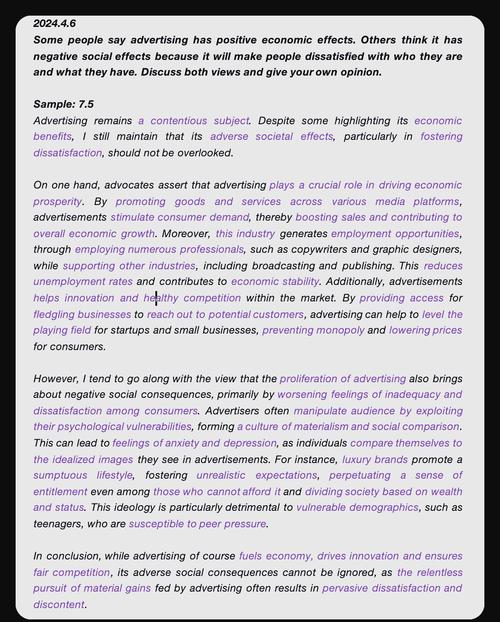
必须澄清一个普遍存在的误解:结论段不是对开头引言段的机械复述,许多考生习惯于用“In conclusion”引出,然后换几个词重述一遍观点,这样的结论缺乏价值,难以获得高分,一个优秀的结论段应具备三个核心功能:总结概括、升华主题、留下余韵。
总结概括:精炼与深化 意味着对主体段核心论点进行精炼的概括,而非简单罗列,避免使用与引言段完全相同的句式,你可以尝试:
- 变换表达方式:使用同义词、改变句式结构来重申你的立场,将“I believe that the benefits of technology outweigh its drawbacks.” 转化为 “Thus, it is evident that the advantages of technological advancement are more significant.”
- 整合论点:用一两句话将主体段的两至三个分论点有机融合,展现其逻辑关联。“While economic growth and cultural exchange are compelling benefits of globalization, the potential for increased inequality cannot be ignored.” 这句话就巧妙地将正反论点进行了串联。
升华主题:拓展视野与提出展望 这是区分普通与优秀结论的关键,在总结之后,需要将讨论推向一个更广阔的层面,常见方法包括:
- 提出建议或解决方案:针对讨论的问题,提出切实可行、方向性的建议,在讨论环境问题后,可以写道:“Therefore, it requires a concerted effort from governments, industries, and individuals to adopt sustainable practices for a healthier planet.”
- 展望未来影响或趋势:指出当前讨论的问题在未来可能的发展或重要性。“Looking ahead, the way we integrate artificial intelligence into education will fundamentally shape the learning experiences of future generations.”
- 强调问题的复杂性或重要性:承认议题的多面性,并强调其深远意义。“Ultimately, the debate over urban planning is not merely about infrastructure, but about the kind of society we wish to build for ourselves.”
避免常见错误
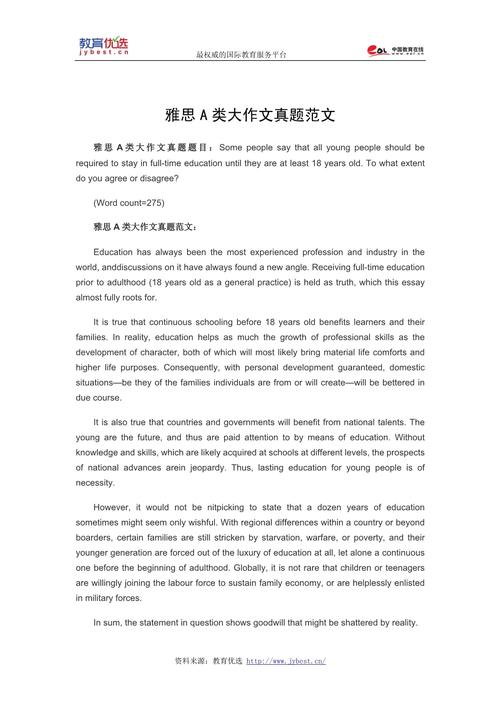
- 引入新观点:结论段绝非提出新论据或新例子的地方,所有论证都应在主体段完成。
- 使用绝对化语言:尽量避免“This proves that…”或“There is no doubt that…”这类过于武断的表达,采用“This suggests that…”, “It is therefore reasonable to conclude that…”等更显严谨。
- 过度道歉或示弱:避免使用“I may not be an expert, but…”或“Although my view might be limited…”这类削弱文章说服力的语句。
- 篇幅失衡:结论段应简洁有力,在250-300字的作文中,通常3-4句为宜,过长则显拖沓,过短则显仓促。
实用句型与结构 掌握一些高分句型结构,能让你的结论段写作更流畅。
- 经典总结式:
- In summary, it is clear that… (
- To conclude, the evidence presented strongly supports the view that… (立场)
- 权衡建议式:
- On balance, while [对方观点有合理处], I remain convinced that [自己观点]. Therefore, [建议/展望].
- Having considered both sides, it seems that the most pragmatic approach would be to [建议].
- 展望强调式:
- Ultimately, this issue is of paramount importance because it touches upon the very core of [相关领域]. Future efforts should focus on [方向].
- The implications of this trend are far-reaching, affecting not only [A] but also [B]. It is thus crucial that [采取行动].
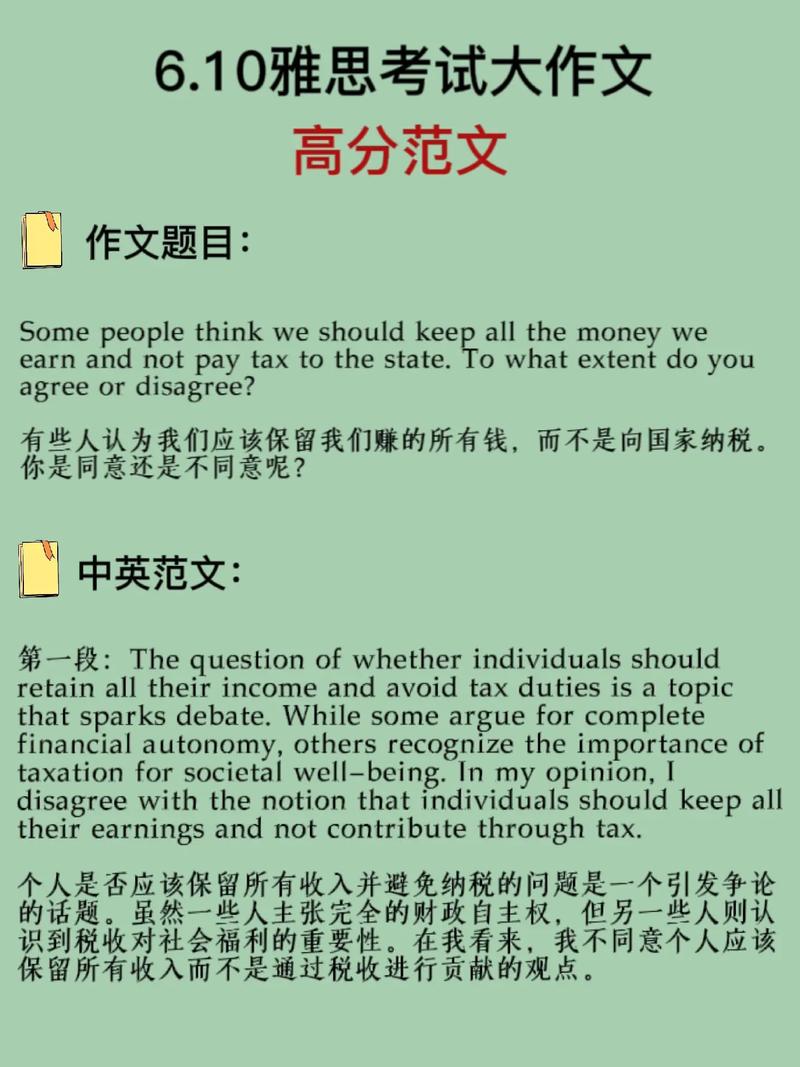
从范文看实践 让我们分析一个实例,假设作文题目是:“Some people think that governments should spend money on railways rather than roads. To what extent do you agree or disagree?”
一个平淡的结论可能是:“In conclusion, I agree that governments should spend more on railways because they are better for the environment and can reduce traffic.” (简单重复,缺乏深度)
一个优秀的结论则可以这样写: “In summary, while road networks remain essential for last-mile connectivity and flexibility, strategic investment in railway infrastructure offers superior long-term benefits in terms of sustainability, efficiency, and economic integration. Therefore, it would be prudent for policymakers to prioritize rail development in inter-city and high-density corridors, while maintaining existing roads. Such an approach would pave the way for a more balanced and forward-looking transport system.” (该结论首先进行了整合性总结,承认了道路的作用但强调了铁路的优势,继而提出了“有区别的”政策性建议,最后进行了升华展望,结构完整,层次清晰。)
写作能力的提升离不开持续练习与反思,建议在平时训练中,可以针对同一篇作文的主体段,尝试撰写两到三个不同侧重点的结论段——一个侧重建议,一个侧重展望,另一个侧重强调重要性,通过对比,你能更深刻地体会不同结尾带来的效果差异,从而在考场上能灵活选择最适合文章整体思路的结论方式。
一个卓越的结论段,是你与考官之间一次理性而有力的告别,它不张扬,却掷地有声;它不冗长,却意蕴悠长,当你在考场上完成主体段最后一个单词时,请记得,留出足够的时间和清晰的思路,为你精心构建的论述,画上一个圆满而深刻的句点,这最后的笔墨,往往正是点亮整篇文章,向高分迈进的坚实一步。