口语考试中的“dinner”话题:如何自然流利地展开对话
在英语口语考试中,话题的多样性和实用性是考察的重点之一。“dinner”作为一个贴近生活且可延伸性强的主题,常被用来测试考生的语言组织能力、文化理解能力以及逻辑表达能力,无论是描述一顿家常晚餐,还是探讨不同国家的饮食文化,亦或是分享与晚餐相关的个人经历,考生都需要展现出清晰的思路和丰富的词汇储备,本文将从话题展开方向、实用表达技巧、文化差异对比以及备考建议四个方面,全面解析如何在口语考试中从容应对“dinner”相关话题。

话题展开方向:从“简单描述”到“深度讨论”
口语考试中的“dinner”话题并非局限于“你昨晚吃了什么”,而是可以通过不同角度延伸出丰富的内容,以下是几个常见的展开方向:
-
个人经历类
- 描述一次难忘的晚餐(如家庭聚餐、朋友聚会、特殊节日晚餐)。
- 分享自己做饭或外出就餐的经历,包括准备过程、用餐感受等。
- 示例:“Last weekend, I cooked Italian pasta for my friends. We spent the evening cooking together and sharing stories, which was a wonderful bonding experience.”
-
文化对比类
- 比较中西方晚餐的差异(如时间、食材、用餐礼仪)。
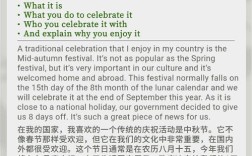
- 介绍自己国家的传统晚餐文化(如中国的团圆饭、感恩节火鸡等)。
- 示例:“In China, dinner is usually a family affair with multiple dishes shared communally, while in some Western countries, individual plates are more common.”
-
社会现象类
 (图片来源网络,侵删)
- 讨论现代人的晚餐习惯(如外卖、快餐、健康饮食趋势)。
- 分析独居人士或忙碌上班族面临的晚餐挑战。
- 示例:“With the rise of food delivery apps, more young people are choosing convenience over home-cooked meals, though this may affect their health.”
-
未来计划类
- 描述理想中的晚餐场景(如与偶像共进晚餐、在异国餐厅体验美食)。
- 分享未来想尝试的菜系或烹饪计划。
- 示例:“If I could have dinner with anyone, I’d choose my favorite chef to learn about his culinary philosophy.”
实用表达技巧:让语言更生动自然
在口语考试中,仅用简单句型描述“dinner”可能会显得单调,以下技巧可以帮助考生提升表达的丰富性和流利度:
-
多样化词汇
- 避免重复使用“eat”“food”,可替换为:dine, feast, indulge in, cuisine, delicacy, appetizer, main course, dessert等。
- 示例:“Instead of just eating out, I prefer to dine at cozy restaurants where I can savor authentic local cuisine.”
-
运用连接词
 (图片来源网络,侵删)
- 使用however, moreover, in addition, as a result等连接词,使逻辑更清晰。
- 示例:“I love cooking dinner at home; however, ordering takeout is a convenient option when I’m tired.”
-
加入细节描写
- 通过感官描写(味道、气味、氛围)让描述更生动。
- 示例:“The aroma of grilled fish filled the kitchen, and the sizzling sound made my mouth water.”
-
使用复合句
- 通过定语从句、状语从句等展示语法能力。
- 示例:“The dinner I had at my grandma’s house last month was the most memorable one because she cooked all my favorite dishes.”
文化差异对比:展现跨文化理解能力
“Dinner”在不同文化中具有不同的意义和形式,了解这些差异不仅能帮助考生拓展思路,还能体现文化素养,以下是中西方晚餐文化的对比:
| 对比维度 | 中国晚餐文化 | 西方晚餐文化 |
|---|---|---|
| 用餐时间 | 通常较晚(7-9点) | 较早(6-8点) |
| 社交功能 | 强调家庭团聚,共享多道菜 | 可能更注重个人空间或小型聚会 |
| 典型菜品 | 米饭、面条、多道热菜 | 主食+肉类/鱼类+蔬菜沙拉 |
| 用餐礼仪 | 使用筷子,长辈先动筷 | 使用刀叉,分餐制 |
| 节日特色 | 团圆饭(春节)、月饼(中秋) | 火鸡(感恩节)、圣诞布丁 |
示例回答:“In China, dinner is not just about eating—it’s a time for family to connect. During the Spring Festival, we have a reunion dinner with dishes like fish and dumplings, which symbolize prosperity. In contrast, Western dinners might focus more on individual courses and casual conversations.”
备考建议:提升“dinner”话题的应对能力
-
积累话题词汇和句型
- 整理与“dinner”相关的词汇(如食材、烹饪方法、用餐场景)和地道表达。
- 练习用“STAR法则”(Situation, Task, Action, Result)组织故事类回答。
-
模拟练习
- 与同伴或外教进行“dinner”话题的模拟对话,重点练习即兴反应和逻辑连贯性。
- 录音并回听,纠正发音、语速或语法问题。
-
关注文化细节
阅读英文文章或观看视频,了解不同国家的饮食文化,避免文化误解。
-
拓展延伸话题
将“dinner”与环保(如减少食物浪费)、健康(如均衡饮食)等社会议题结合,展现深度思考。
FAQs
Q1: 如果被问到“Do you prefer home-cooked meals or eating out?”,如何回答更有说服力?
A: 可以从健康、经济、情感三个角度展开,“I prefer home-cooked meals because they are healthier— I can control the oil and salt. Also, cooking at home is more budget-friendly than dining out. Most importantly, it’s a way to show care for my family when I cook their favorite dishes.”
Q2: 如何避免在描述“dinner”时内容过于单调?
A: 加入具体细节和个人感受,“Instead of saying ‘I had pasta,’ describe the experience: ‘Last night, I tried making carbonara for the first time. The creamy sauce with crispy bacon was delicious, though I accidentally added too much pepper!’”
通过以上方法,考生可以在口语考试中自信地应对“dinner”相关话题,展现出语言能力、文化认知和逻辑思维的全面素养。