
Colors are an integral part of our daily lives, influencing our emotions, decisions, and perceptions in ways we often overlook. From the vibrant red of a stop sign to the calming blue of a clear sky, colors communicate messages, evoke memories, and shape our experiences. In the context of IELTS Speaking, discussing colors can be a versatile and engaging topic, allowing candidates to demonstrate their vocabulary, fluency, and ability to express opinions. This article explores the significance of colors in various aspects of life, their psychological impact, and how to effectively discuss them in an IELTS Speaking exam.
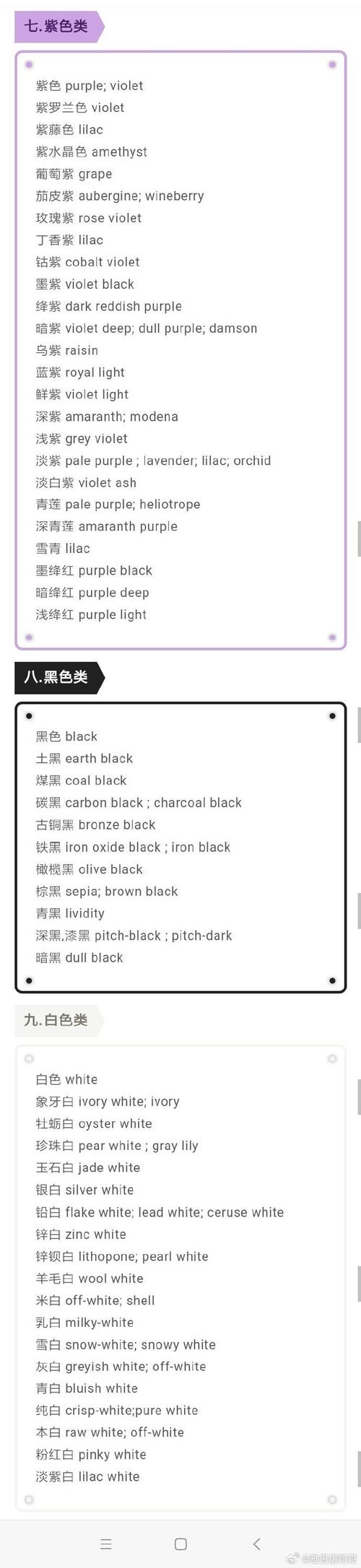
The Role of Colors in Nature and Society
Colors in nature serve both practical and aesthetic purposes. For instance, the bright hues of flowers attract pollinators, while the camouflage patterns of animals help them blend into their environments. In human societies, colors carry cultural symbolism. Red, for example, symbolizes luck and prosperity in Chinese culture, often associated with festivals and celebrations, whereas in some Western cultures, it may represent danger or passion. Similarly, white is linked to purity and weddings in many Western countries, but it is traditionally worn at funerals in some Asian cultures. Understanding these cultural nuances is essential when discussing colors in a global context like the IELTS Speaking test.
In urban settings, colors play a crucial role in design and communication. Traffic lights use red, yellow, and green to regulate movement, while brands use specific colors to evoke emotions—blue for trust and reliability (e.g., banks and tech companies), green for nature and health (e.g., organic products). These associations demonstrate how colors transcend language and serve as universal tools for expression.
The Psychology of Colors
Colors have a profound psychological impact on human behavior and emotions. Warm colors like red, orange, and yellow are often associated with energy, happiness, and excitement. Red, in particular, can increase heart rate and create a sense of urgency, which is why it is frequently used in sales and advertising. Cool colors such as blue, green, and purple, on the other hand, tend to have a calming effect. Blue is known to reduce stress and is commonly used in bedrooms and offices to promote relaxation.
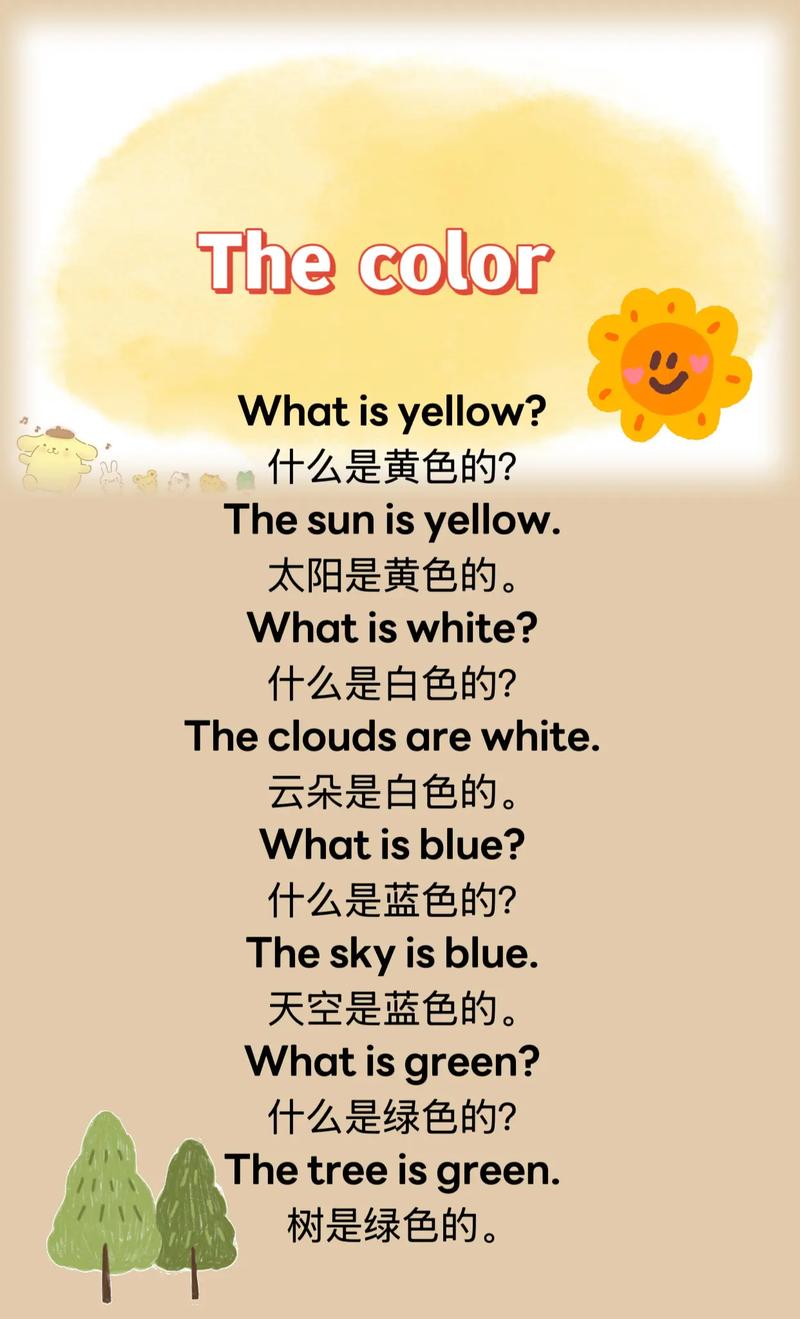
The table below summarizes the common psychological associations of primary colors:
| Color | Psychological Associations | Common Uses |
|---|---|---|
| Red | Energy, passion, danger | Sales, warning signs, celebrations |
| Blue | Calm, trust, stability | Offices, bedrooms, corporate branding |
| Green | Nature, health, growth | Eco-friendly products, hospitals |
| Yellow | Happiness, optimism, caution | Children’s products, warning labels |
| Black | Elegance, power, mystery | Luxury brands, formal wear |
Understanding these associations can help candidates in the IELTS Speaking exam provide nuanced answers when asked about favorite colors or the impact of colors on mood. For example, a candidate might explain why they prefer blue, linking it to its calming properties during stressful times.
Colors in Art and Design
Colors are fundamental to art and design, serving as a medium for creativity and expression. In painting, artists use color theory to create harmony, contrast, and focal points. The Impressionists, such as Claude Monet, used vibrant colors to capture light and atmosphere, while Pablo Picasso shifted his palette to reflect his emotional state, as seen in his "Blue Period" (dominated by shades of blue and green) and "Rose Period" (featuring warm pinks and oranges).
In interior design, colors can transform a space. Light colors like beige and pastels make rooms feel larger and airier, while dark colors like navy or charcoal add coziness and sophistication. Designers often use the color wheel to create complementary or analogous schemes, ensuring visual balance. For IELTS Speaking candidates, discussing how colors influence interior design can showcase their ability to describe preferences and justify choices with logical reasoning.
Discussing Colors in the IELTS Speaking Exam
In the IELTS Speaking test, colors may appear in Part 1 (general questions), Part 2 (long turn), or Part 3 (discursive questions). For example:
- Part 1: "What’s your favorite color? Why?"
- Part 2: "Describe a place you like that has a lot of colors."
- Part 3: "Do you think colors affect people’s moods? How?"
To excel, candidates should:
- Expand vocabulary: Use specific terms like "vibrant," "muted," "pastel," or "monochromatic" instead of generic words like "nice" or "bright."
- Provide examples: Relate colors to personal experiences or cultural contexts. For instance, "I love yellow because it reminds me of sunflowers in my grandmother’s garden."
- Explain reasons: Link colors to emotions or practical benefits. "I painted my study blue because it helps me focus and stay calm during long study sessions."
FAQs
Q1: How can I describe my favorite color in an IELTS Speaking Part 1 answer?
A1: To describe your favorite color effectively, start by naming the color, then explain why you like it using descriptive adjectives and personal examples. For instance: "My favorite color is teal. It’s a blend of blue and green, which I find refreshing and soothing. I associate it with the ocean, and it reminds me of peaceful beach vacations. I often wear teal clothes because they make me feel calm and confident." This structure shows fluency and allows you to showcase vocabulary.
Q2: What are some advanced phrases to use when discussing colors in the IELTS Speaking test?
A2: To elevate your responses, incorporate advanced phrases such as:
- "Color psychology suggests that [color] can influence emotions."
- "I’m drawn to [color] because of its vibrancy/serenity."
- "The use of complementary colors creates a striking visual contrast."
- "Culturally, [color] symbolizes [meaning] in my country."
These phrases demonstrate a higher level of language proficiency and help you express ideas more precisely.
In conclusion, colors are a rich and multifaceted topic that can enhance your performance in the IELTS Speaking exam. By understanding their cultural, psychological, and aesthetic significance, and by practicing structured responses, you can confidently discuss colors and impress examiners with your language skills.