在雅思口语考试中,“change”是一个高频且核心的话题,它贯穿于人物、事件、经历、社会趋势等多个 Part,既能考察考生描述过往经历的能力,也能检验其对未来发展的预测与看法,要在这部分获得高分,考生不仅需要掌握与“change”相关的词汇和表达,更要构建清晰、有逻辑的回答框架,并通过具体细节展现语言运用的灵活性与深度。
Change 在雅思口语中的核心考察维度
雅思口语中的“change”并非单一指向“变化”这一抽象概念,而是围绕“变化的过程、原因、影响及个人态度”展开,具体可分为以下四类:
个人生活中的变化
这是 Part 1 和 Part 2 最常见的方向,如居住地、学习/工作习惯、兴趣爱好、外貌或性格的改变,考生需通过“过去vs现在”的对比结构,突出变化的细节与感受。
- 示例问题:
- “Have you changed a lot in the past few years?”
- “Describe a time you changed your mind about something.”
- 回答策略:用“used to... but now...”对比过去与现在,结合具体事件说明变化原因(如“moving to a new city made me more independent”),并补充变化带来的影响(positive/negative)。
社会与科技变化
Part 3 常涉及宏观趋势,如科技发展、教育模式、工作方式、家庭结构的变化,这类问题要求考生具备一定的社会观察力,能分析变化的双面性。
- 示例问题:
- “How has technology changed the way people communicate?”
- “Do you think traditional jobs will disappear because of automation?”
- 回答策略:先总述变化趋势(如“Technology has revolutionized communication, making it instant but less personal”),再分点举例(社交媒体、视频通话),最后辩证讨论影响(便利性 vs 面对面交流的减少)。
环境与气候变化
随着全球议题的关注度提升,环境变化(如天气、污染、能源使用)也成为口语话题的热点,考生需积累相关词汇,并能提出个人或社会的应对措施。
- 示例问题:
- “Is the weather in your hometown different from when you were a child?”
- “What can individuals do to help tackle climate change?”
- 回答策略:用具体数据或现象描述变化(如“Summers are now 3°C hotter on average”),结合原因(global warming, industrialization),最后提出解决方案(reduce carbon footprint, use renewable energy)。
文化与价值观变化
这类话题探讨传统习俗、消费观念、代际差异等,要求考生具备跨文化意识,能理解变化的深层社会动因。
- 示例问题:
- “Have young people’s attitudes towards marriage changed compared to their parents’ generation?”
- “Do you think traditional festivals will lose their importance in the future?”
- 回答策略:对比不同代际的观点(如“Parents value stability, while年轻人 prioritize personal fulfillment”),分析变化原因(economic development, globalization),并预测未来趋势。
Change 相关词汇与表达升级
要避免回答中的重复与单调,需掌握不同语境下的“change”表达,并通过高级词汇和句式提升语言质量。
动词替换
| 基础动词 | 高级替换 | 适用语境 |
|---|---|---|
| change | transform (彻底改变) | Technology has transformed education. |
| alter (局部调整) | The plan was altered to meet the deadline. | |
| shift (转移、转变) | Public opinion has shifted on this issue. | |
| evolve (逐步演变) | The company evolved from a small startup to a giant. | |
| fluctuate (波动) | Prices fluctuate with seasons. |
形容词与副词
- 描述变化速度:rapid/sudden change (快速/突然变化),gradual/gradual shift ( gradual/逐步转变)
- 描述变化影响:positive/beneficial change (积极变化),adverse/detrimental change (消极变化),profound change (深远变化)
- 描述变化过程:ongoing change (持续变化),inevitable change (不可避免的变化),dramatic change (戏剧性变化)
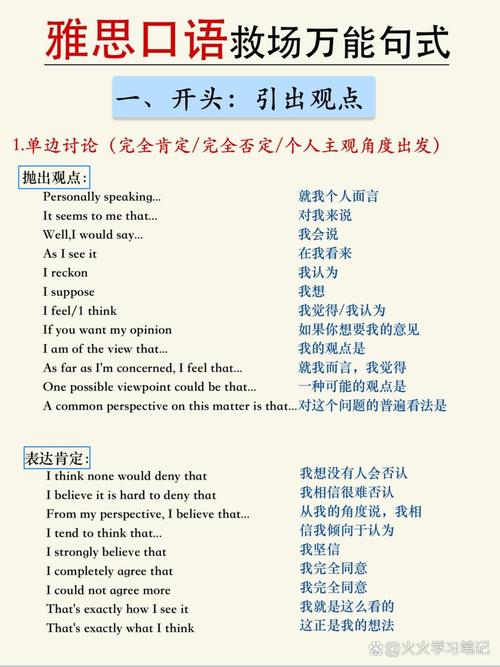
常用句式
- 强调变化:“The biggest shift I’ve noticed is that...”
- 解释原因:“This change can be attributed to...”
- 表达观点:“From my perspective, this change is more likely to have positive impacts.”
- 预测未来:“It’s foreseeable that... will continue to evolve in the coming decades.”
Change 话题高分回答框架
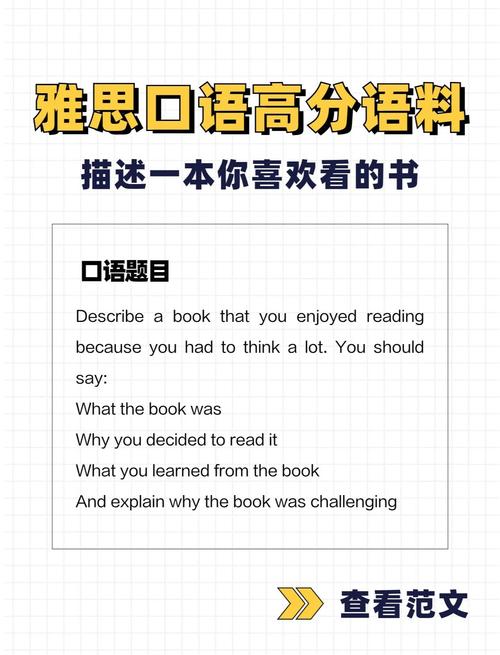
以 Part 2 “Describe a change that has improved your life” 为例,可采用“总-分-总”结构,确保逻辑清晰、细节丰富。
Introduction (总述变化)
- 直接点明变化:“I’d like to talk about how adopting a morning routine has significantly improved my life.”
- 简述背景:“A year ago, I used to struggle with time management and felt overwhelmed by daily tasks.”
Main Body (分述细节)
- 变化的具体内容:“I started getting up at 6 AM instead of 8 AM, and spent the first hour meditating, reading, and planning my day.”
- 变化的原因:“I realized that my chaotic mornings led to stress and low productivity, so I decided to make a deliberate change.”
- 变化的过程:“At first, it was difficult—my body resisted waking up early, and I almost gave up. But I started by setting my alarm 10 minutes earlier each week until I reached 6 AM.”
- 变化的影响:“Within a month, I noticed a huge difference: I felt more focused, completed tasks faster, and even had time for exercise. My grades improved, and I was generally happier.”
Conclusion (总结感受)
- 重申变化的积极意义:“This small change in my morning routine has had a profound impact on my overall quality of life.”
- 升华主题:“It taught me that even tiny, consistent changes can lead to significant improvements over time.”
Change 话题常见误区与避坑指南
- 避免泛泛而谈:不要只说“Change is important”,需结合具体例子(如“Learning English changed my career opportunities”)。
- 拒绝绝对化表述:慎用“all”“never”等词,改用“many”“some”“tend to”(如“Some people resist change due to fear of the unknown”)。
- 注意时态一致性:描述过去变化用过去时,预测未来用将来时(如“Last year I...; In the future, I might...”)。
- 平衡正反观点:即使讨论积极变化,也可简要提及挑战(如“While digital communication brings convenience, it may reduce face-to-face interactions”),展现辩证思维。
相关问答 FAQs
Q1: 当被问及“Describe a positive change in your country”时,如何选择合适的例子?
A: 选择具体、有生活气息的例子,避免空泛的“经济发展”,可谈“移动支付的普及”:先描述过去(“十年前,人们主要用现金,出门要带钱包”),再讲现在(“现在几乎所有商家都支持扫码支付,连路边摊都能用手机付款”),最后分析影响(“方便快捷,减少假币风险,但也让部分老年人感到不便”),例子越具体,细节越丰富,越能展现语言能力。
Q2: 如何在回答“change”话题时避免语法错误?
A: 重点注意以下三点:
- 时态:描述过去的用过去时(“I changed my major”),持续到现在的用现在完成时(“I have lived here for 5 years”),预测未来用将来时(“Cities will become more sustainable”)。
- 非谓语动词:用“doing”或“to do”简化句子,避免重复主语(如“After graduating from university, I started working”而非“I graduated from university and then I started working”)。
- 比较级与最高级:描述变化时正确使用(“My English is better than before” / “This is the most significant change in my life”),通过练习常见句型,考前可录音自查,及时修正语法问题。