
在雅思口语考试中,study”的话题是高频考点,考生需要围绕学习经历、学习环境、学习习惯、未来学习规划等多个维度展开回答,一个高质量的答案不仅需要逻辑清晰、内容充实,还需体现个人特色和语言运用的灵活性,以下从不同角度详细解析如何构建关于“study”的雅思口语答案,并提供实用范例和技巧。
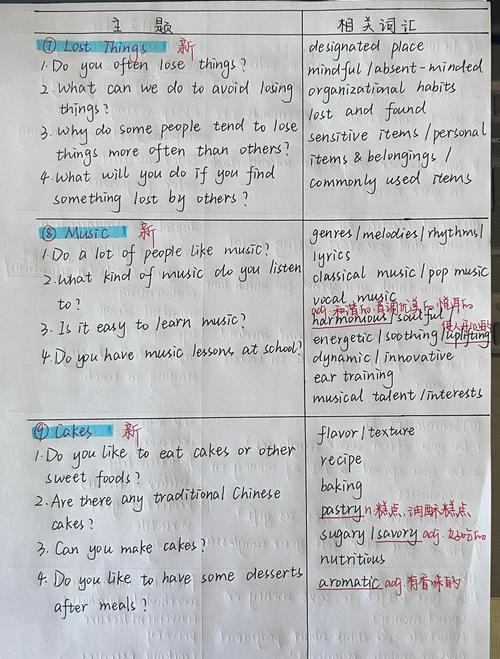
描述学习经历与感受
学习经历是口语回答的基础,考生可结合个人故事,展现真实性和情感共鸣,描述一次难忘的学习经历(如备考雅思、参与科研项目、克服学习困难等),重点突出过程中的挑战、行动和收获。
范例参考:
“I would like to talk about my experience preparing for the IELTS test last year. At first, I struggled with speaking due to limited vocabulary and lack of confidence. To tackle this, I created a daily routine: practicing with a speaking partner for 30 minutes every morning, recording my answers to identify pronunciation issues, and memorizing 10 topic-related words each day. After three months of consistent effort, I improved my fluency and even got a band 8.0 in the speaking test. This experience taught me that persistence and targeted practice are key to overcoming learning obstacles.”
技巧提示:
- 使用“STAR法则”(Situation, Task, Action, Result)构建叙事逻辑;
- 加入具体细节(如时间、方法、数据),增强说服力;
- 表达个人感受(如frustration, motivation, satisfaction),使回答更生动。
分析学习环境与资源
学习环境对效率影响显著,考生可对比不同场景(如图书馆、线上学习、小组讨论等),并评价其优缺点,提及现代学习资源(如APP、在线课程、学术数据库)能体现与时俱进的态度。
传统学习环境 vs. 现代学习方式
| 学习类型优势挑战** |
|--------------------|-------------------------------------------|-------------------------------------------|
| 传统图书馆 | 氛围安静,资源丰富(书籍、期刊) | 场所固定,时间受限 |
| 线上学习(如Coursera) | 灵活性高,可重复观看课程 | 需要较强自律性,互动性较弱 |
| 小组讨论 | 思维碰撞,激发创意 | 成员水平参差不齐,易偏离主题 |
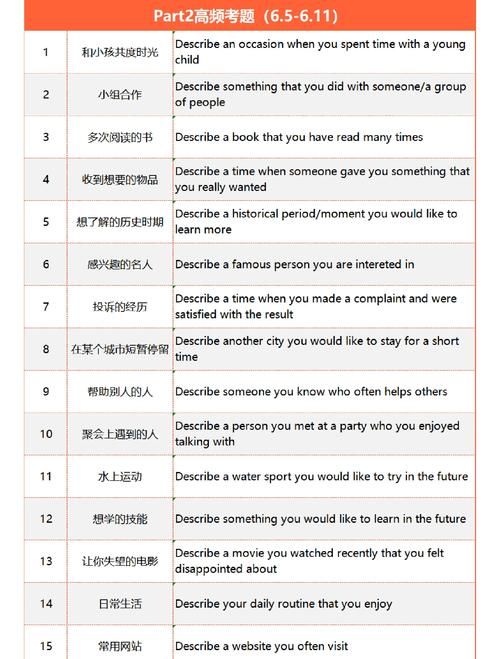
范例参考:
“I prefer studying in libraries because the quiet environment helps me focus. However, during the pandemic, I shifted to online platforms like Khan Academy. While I missed face-to-face interactions, I appreciated the flexibility of learning at my own pace. For instance, I could replay math lectures until I fully understood the concepts. This hybrid approach has broadened my learning resources.”
分享高效学习习惯与方法
学习习惯是体现时间管理和自律性的关键,考生可介绍个人方法(如番茄工作法、思维导图、费曼学习法等),并说明适用场景。
实用学习技巧**
- 番茄工作法:学习25分钟,休息5分钟,提高专注力;
- 费曼学习法:用简单语言复述复杂概念,检验理解程度;
- 定期复习:利用艾宾浩斯遗忘曲线,安排间隔复习计划。
范例参考:
“To enhance my memory for history dates, I use the ‘spaced repetition’ technique. I review notes on the 1st, 3rd, and 7th day after learning, which significantly reduces forgetting. Additionally, I summarize each chapter into a mind map, connecting events chronologically. This visual method helps me grasp the bigger picture instead of memorizing isolated facts.”
规划未来学习目标
未来学习规划展现考生的上进心和方向感,可结合学术或职业目标,说明短期(如提升某项技能)和长期计划(如攻读硕士、学习新语言)。
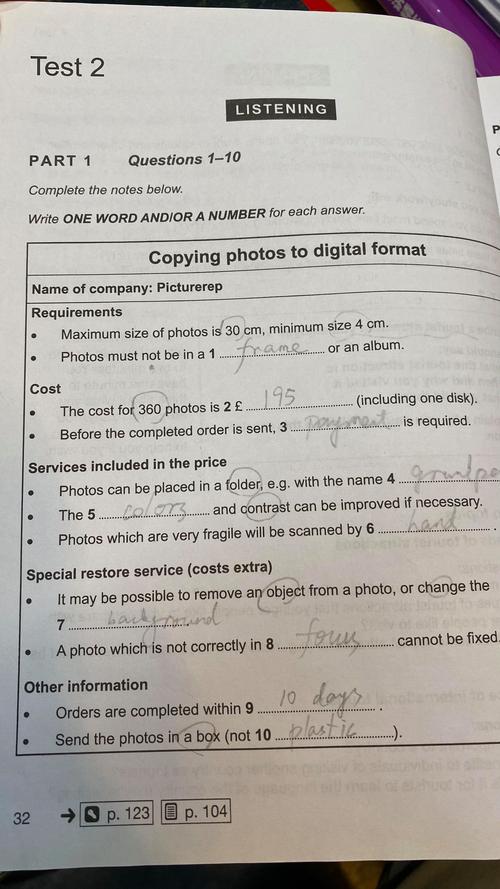
范例参考:
“In the short term, I plan to improve my academic writing skills by enrolling in an online course and practicing with past IELTS essays. Long-term, I aspire to pursue a master’s degree in Environmental Science, so I’m currently learning research methodologies and reading related journals. To achieve this, I aim to dedicate 15 hours weekly to study and join a study group for motivation.”
相关问答FAQs
Q1: 雅思口语中描述“学习经历”时,如何避免内容过于笼统?
A1: 避免使用“我努力学习并取得进步”这类模糊表述,需加入具体细节,明确学习时长(“每天练习2小时听力”)、方法(“用BBC新闻做精听,逐句记录生词”)和成果(“模拟考成绩从6.0提升至7.5”),数据化和个性化的细节能让回答更真实可信。
Q2: 如何在回答“学习习惯”时体现语言多样性?
A2: 可替换重复词汇,如用“develop a consistent routine”代替“study every day”,用“enhance efficiency”代替“make study better”,运用连接词(“Furthermore,” “Consequently,” “For instance”)和复杂句式(“Not only do I review notes regularly, but I also discuss them with peers to deepen understanding”),展示语言运用能力。