在雅思口语考试中,天气(weather)是一个高频且贴近生活的话题,几乎在每个季度的考试中都会以不同形式出现,无论是Part 1的基础问候,Part 2的个人经历描述,还是Part 3的社会议题探讨,天气都能自然融入对话,考察考生的语言表达能力和逻辑思维,掌握与天气相关的词汇、句型及话题延伸技巧,对提升口语成绩至关重要。
天气话题在雅思口语中的考察重点
雅思口语通过天气话题主要评估以下能力:
- 词汇丰富度:能否准确描述不同天气现象(如晴天、雨天、雾霾等)及其影响(如对交通、健康、心情的作用)。
- 语法运用:是否能灵活使用时态(如描述过去经历用一般过去时,预测未来天气用将来时)、从句(原因状语从句、定语从句)等。
- 逻辑连贯性:能否围绕天气展开叙述、分析或讨论,例如从“今天的天气”延伸到“天气对生活方式的影响”。
- 发音与流利度:在表达天气相关内容时,是否发音清晰、语速自然,且无明显停顿或重复。
核心词汇与表达分类整理
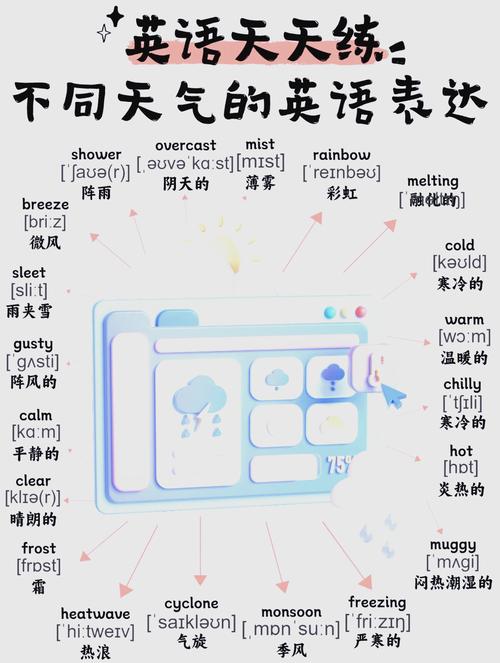
掌握分类词汇能让回答更具体、生动,以下是天气话题的高频词汇及搭配:
基础天气现象
| 天气类型 | 词汇表达 | 例句 |
|---|---|---|
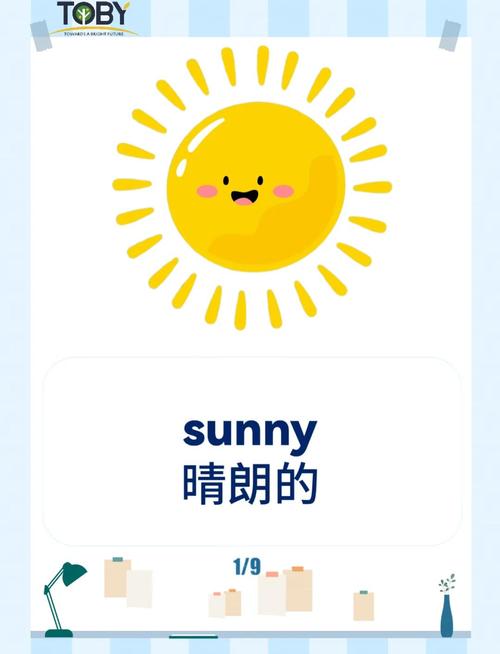
| 晴天 | Sunny / Clear / Bright | "It’s a sunny day, perfect for a picnic." |
| 多云 | Cloudy / Overcast | "The sky is cloudy, but it hasn’t rained yet." |
| 下雨 | Rainy / Drizzly / Showery | "Heavy rain caused traffic jams this morning." |
| 下雪 | Snowy / Snowy / Blizzarding | "We had a heavy snowfall last night." |
| 刮风 | Windy / Breezy / Gusty | "It’s too windy to fly a kite." |
| 雾霾 | Foggy / Smoggy / Hazy | "The smog in the city has worsened recently." |
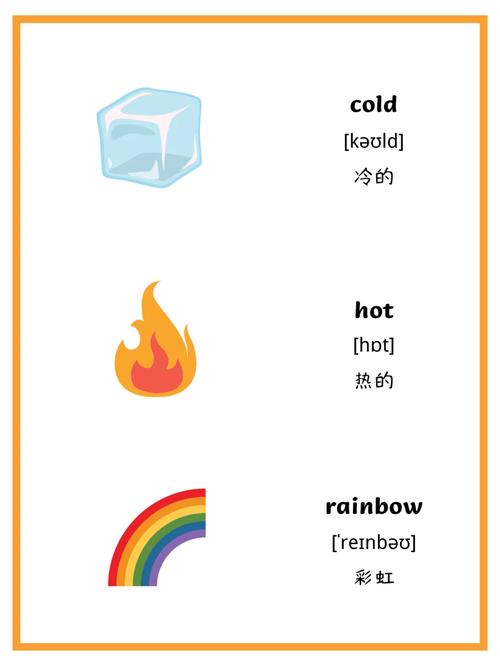
| 酷热/严寒 | Hot / Scorching / Freezing / Chilly | "The freezing weather made it hard to go outside." |
天气影响与感受
- 对人的影响:affect mood(影响心情)、cause discomfort(引起不适)、boost energy(提升精力)
例:"Sunny weather always boosts my energy and makes me feel optimistic." - 对活动的影响:disrupt transportation(扰乱交通)、cancel outdoor events(取消户外活动)、increase sales of air conditioners(空调销量增加)
例:"The heavy rain disrupted the flight schedule yesterday." - 对自然的影响:help crops grow(促进作物生长)、cause floods(引发洪水)、lead to drought(导致干旱)
天气趋势与预测
- 动词:rise(上升)、drop(下降)、change(变化)、improve(好转)、worsen(恶化)
例:"The temperature is expected to drop to 5°C tomorrow." - 表达预测:It’s forecast that...(据预测...)、There’s a chance of...(可能...)
分话题实战技巧与范例
Part 1:基础问答(Do you like rainy days?)
思路:直接给出观点 + 简单解释 + 个人经历。
范例:
"Yes, I quite like rainy days, especially in summer. The cool breeze and the sound of raindrops create a cozy atmosphere at home. Unlike scorching sunny days, rainy weather allows me to relax with a book and a cup of tea without feeling guilty about staying indoors."
Part 2:个人经历(Describe a time you experienced extreme weather)
思路:用“情景-经过-感受”结构展开,加入细节描写。
范例:
"Last winter, I experienced the most extreme weather in my life—a blizzard in Harbin. The temperature dropped to -30°C, and the wind was so strong that it felt like knives cutting my face. Snow piled up higher than I was, and all schools and shops were closed for three days. At first, I was scared because we ran out of food, but my family and I had fun making a snowman and playing cards by the window. This experience taught me to cherish the warmth of home and be prepared for unexpected situations."
Part 3:社会议题讨论(How does weather affect people’s lifestyles?)
思路:分点论述 + 举例 + 总结观点。
范例:
"Weather significantly influences people’s lifestyles. In regions with frequent sunny weather, like Australia, people tend to spend more time outdoors—going to the beach, playing sports, or having barbecues. This active lifestyle contributes to better physical health. Conversely, in areas with long, cold winters, such as Canada, people might prefer indoor activities like visiting gyms or attending concerts. Additionally, extreme weather can drive lifestyle changes: for example, rising global temperatures have made more people adopt eco-friendly habits, such as using public transport to reduce carbon emissions."
常见错误与避坑指南
- 词汇单一:避免反复使用 "good/bad weather",可替换为 "pleasant/miserable weather" 或 "ideal weather for..."。 空洞**:仅说 "I like sunny days" 不够,需补充原因(如 "because I can go hiking with friends")。
- 语法错误:描述过去天气时易混淆时态,"Yesterday it is rainy."(错误)→ "Yesterday it was rainy."(正确)。
相关问答FAQs
Q1: 雅思口语中描述天气时,是否需要使用复杂词汇?
A1: 不必刻意追求生僻词,但需注意词汇的准确性和多样性,用 "drizzle"(毛毛雨)比 "light rain" 更具体,用 "scorching"(酷热的)比 "very hot" 更生动,关键是根据语境选择恰当词汇,确保表达自然流畅。
Q2: 如果被问到不熟悉的天气话题(如极地天气),如何应对?
A2: 遇到陌生话题时,可尝试用已知词汇和逻辑框架展开,先承认对该天气了解有限:"I haven’t experienced polar weather myself, but I can imagine it’s extremely cold with lots of snow.",再结合常识描述影响:"Such weather probably requires special clothing and affects daily activities, like transportation.",最后关联个人观点:"I think it would be a unique challenge to live there."
掌握天气话题的核心表达,结合清晰的逻辑和真实的个人体验,就能在雅思口语中轻松应对,平时多积累生活化素材,练习时注意发音与流利度,定能在考试中脱颖而出。