在雅思口语考试中,"dreams"是一个既贴近生活又富有深度的常见话题,它不仅考察考生的语言表达能力,也涉及个人经历、文化认知和抽象思维的探讨,无论是描述自己的梦境、分享与梦想相关的经历,还是探讨梦想的意义,考生都需要通过清晰的逻辑、丰富的词汇和自然的表达来展现语言能力,以下将从多个维度解析如何围绕"dreams"展开高质量的口语回应,并提供实用建议和示例。

描述个人经历:从"梦境"到"梦想"的双向表达
雅思口语中,"dreams"可涵盖"梦境"(sleeping dreams)和"梦想"(aspirations/ambitions)两层含义,考生需根据具体问题灵活切换,展现话题的广度。
描述"梦境":细节与情感的结合
当被问及"Describe a dream you had recently"时,避免简单罗列梦境情节,而应通过时间、地点、人物、冲突和感受构建完整叙事。
"Last month, I had a vivid dream where I was back in my primary school, but the classrooms were floating in the air. At first, I was terrified, but then I realized my classmates could fly too. We played tag among the clouds, and I felt an overwhelming sense of freedom. When I woke up, I was smiling, and I still remember the warmth of the sun in the dream."
此处使用"vivid""floating in the air""overwhelming sense of freedom"等词汇增强画面感,并通过情感变化(terrified→realized→smiling)展现逻辑层次。
分享"梦想":目标与行动的关联
谈及"梦想"(如职业理想、个人目标)时,需明确梦想的内容、实现路径及当前行动。
"My biggest dream is to become a wildlife photographer. I’ve been fascinated by nature since childhood, and I believe photography can capture the beauty of endangered species and raise public awareness. To achieve this, I’m currently learning photography skills online, joining local photography clubs, and saving money for a trip to Africa next year. It’s challenging, but every small step makes me feel closer to my dream."
通过"具体目标→兴趣来源→行动步骤→情感态度"的结构,展现思考的深度和规划能力。
文化视角:不同文化中的"梦想"解读
雅思口语注重跨文化交际能力,考生可结合文化差异丰富内容。
- 东方文化:常强调"集体梦想"(如家庭期望、社会责任)。
"In Chinese culture, many people’s dreams are closely tied to their families. For instance, my parents always hoped I would become a doctor, not just for personal success, but to bring honor to our family and help others. This collective sense of responsibility is deeply rooted in our values."
- 西方文化:更侧重"个人实现"(如追求激情、打破常规)。
"In Western countries, dreams are often seen as a path to self-fulfillment. For example, some might choose to pursue art or entrepreneurship even if it’s unstable, because they value passion over security. This individualistic approach reflects the importance of personal freedom."
通过对比文化差异,展现批判性思维和全球视野。
语言表达:提升"梦想"话题的词汇与句式多样性
核心词汇分类
| 类别 | 词汇示例 |
|---|---|
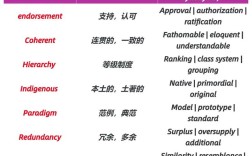
| 描述梦想 | ambition, aspiration, goal, vision, lifelong dream, bucket list item |
| 实现过程 | strive for, work towards, pursue, dedicate to, overcome obstacles |
| 情感状态 | determined, motivated, passionate, fulfilled, regretful, achievable |
| 抽象概念 | destiny, potential, inspiration, sacrifice, compromise |
高级句式运用
- 虚拟语气(假设与梦想相关的情景):
"If I could achieve any dream instantly, I would choose to end world hunger, but I know real dreams require persistent effort."
- 强调句(突出梦想的重要性):
"It is this dream of becoming an environmentalist that has driven me to study sustainability and volunteer for green projects."
- 非谓语动词(简洁表达行动与结果):
"Having practiced piano for ten years, my dream of performing on stage finally came true last year."
实战技巧:应对不同题型的问题
Part 1:简短回答,突出个性
问题示例:"Do you often remember your dreams?"
回答思路:直接回答+简单解释+个人感受。
"Not really. I only remember my dreams if they’re particularly emotional or strange. For example, last week I dreamed I was talking to my late grandmother, and I woke up feeling surprisingly peaceful. Most of the time, however, my dreams fade quickly after I wake up."
Part 2:个人陈述,结构清晰
以"Describe a dream you want to achieve"为例,采用"四段式"结构:
- 引入:点明梦想是什么(如"open a bookstore")。
- 展开:解释梦想的来源("I’ve loved reading since childhood...")和具体目标("a cozy place with coffee and book clubs...")。
- 挑战:提及可能遇到的困难("high rent and competition from online stores...")及应对方法("start with a small online shop first...")。
- 总结梦想的意义("It’s not just a business, but a way to share stories...")。
Part 3:深入讨论,展现思辨
问题示例:"Do you think dreams are important for young people?"
回答思路:明确观点+多角度论证+举例。
"Yes, dreams are crucial for young people because they provide direction and motivation. Firstly, dreams help clarify what one wants in life, preventing aimless wandering. For instance, a student with a dream of becoming an engineer is more likely to focus on math and science. Secondly, pursuing dreams builds resilience—facing failures teaches valuable life lessons. However, dreams should also be realistic; otherwise, constant unfulfilled goals might lead to discouragement. Balance between ambition and practicality is key."
常见误区与注意事项
- 避免泛泛而谈:不说"My dream is to be happy",而是具体化为"My dream is to start a community center that helps elderly people learn technology"。
- 控制时间:Part 2需讲满1-2分钟,可准备3-4个核心观点,每个观点配1-2句细节。
- 保持自然:不必堆砌高级词汇,用熟悉的句式准确表达即可,例如用"work hard for"代替"strive for"同样有效。
FAQs
Q1: 如何在雅思口语中区分"dream"和"ambition"的用法?
A: "Dream"更偏向广义的"梦想",可指抽象的理想(如"world peace")或具体的愿望(如"fly to the moon"),语气较感性;"Ambition"则强调"雄心",多指职业或个人成就上的目标(如"ambition to become CEO"),语气更理性、目标明确。"My dream is to travel the world, but my ambition is to become a translator to make it happen."
Q2: 如果被问到一个自己没有的梦想(如"Describe a dream of becoming an astronaut"),如何回答?
A: 可采用"假设+分析"的策略:先承认自己没有该梦想,再通过合理想象构建回答,并加入个人观点。"I’ve never dreamed of becoming an astronaut, but I can imagine why it appeals to some people. It must be incredible to explore space and see Earth from above. However, I think I’d miss the connection with nature and people on Earth, so my dream is more about staying grounded and making a difference here."
通过以上结构化的内容准备和语言技巧,考生可以自信应对雅思口语中的"dreams"话题,展现流利的表达、清晰的逻辑和丰富的思想,关键在于结合个人经历,用具体细节支撑观点,并通过多样的词汇和句式提升语言质量。