
在雅思口语考试中,"shoes"(鞋子)是一个高频且贴近生活的话题,可能出现在Part 1的日常问答、Part 2的个人经历描述,甚至Part 3的社会现象讨论中,无论是描述一双有特殊意义的鞋,还是探讨现代鞋履文化,考生都需要围绕主题展开清晰、有逻辑的表达,本文将从雅思口语角度出发,解析如何围绕"shoes"话题构建内容,并提供实用词汇、句型及答题思路,帮助考生在考试中从容应对。
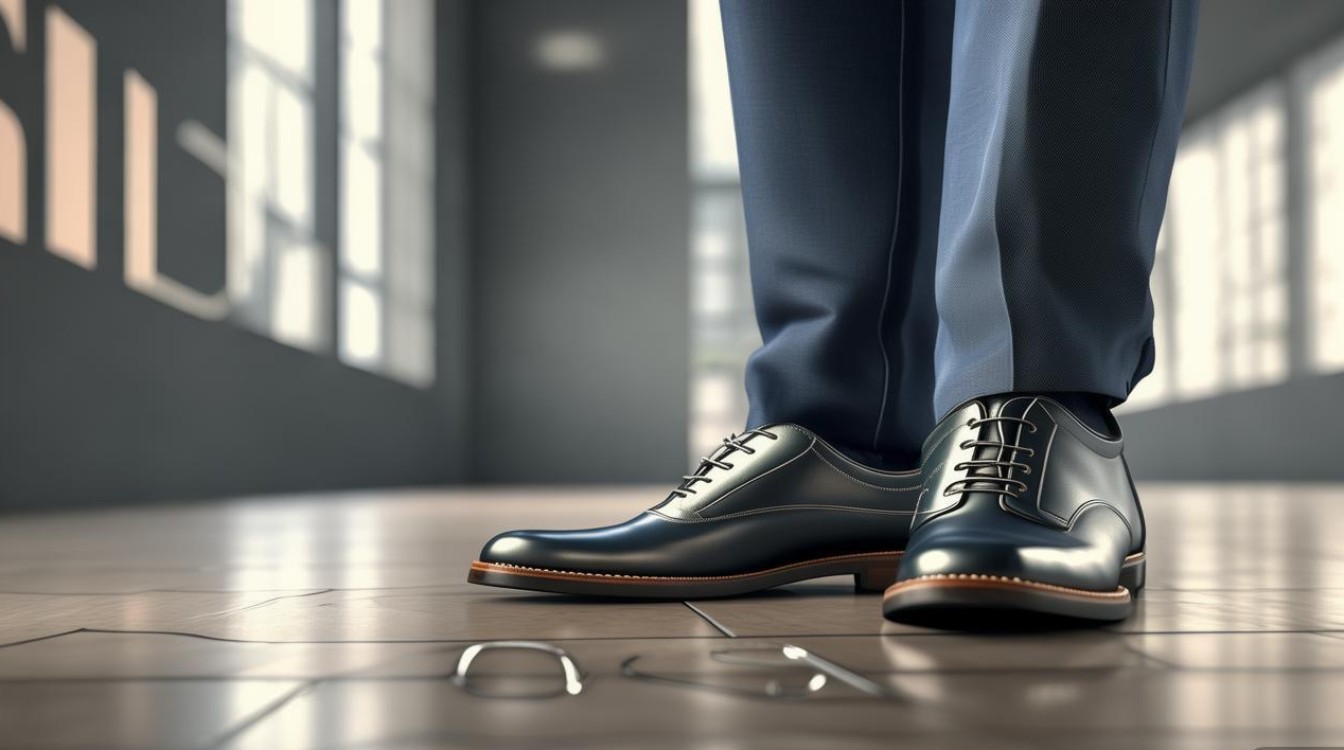
雅思口语中的"Shoes"话题解析
雅思口语注重考察考生的语言运用能力和逻辑思维,"shoes"作为具体物品类话题,通常从个人经历、功能意义、文化象征等维度切入,在Part 1,考官可能以"Do you like shopping for shoes?"或"What kinds of shoes do you usually wear?"等简单问题开场,旨在让考生放松并进入状态;Part 2可能会要求描述"一双你喜欢的鞋"或"一双重要的鞋",需要考生结合故事细节展开叙述;Part 3则可能延伸至"鞋履设计的趋势""鞋子与身份认同"等抽象话题,考察辩证分析能力。
核心词汇与表达积累
围绕"shoes"话题,掌握精准的词汇和多样化的句型是关键,以下分类整理了实用表达,帮助考生丰富语言内容:
鞋类类型与款式
- 运动鞋:sneakers, running shoes, trainers
- 休闲鞋:casual shoes, loafers, moccasins
- 正式鞋:formal shoes, oxfords, high heels
- 功能鞋:hiking boots, rain boots, slippers
鞋子相关描述
- 舒适度:comfortable, cushioned, breathable, supportive
- 外观:stylish, trendy, elegant, durable, waterproof
- 情感意义:sentimental value, remind me of..., hold a special place
动词与短语搭配
- 买鞋:buy, purchase, pick up, splurge on
- 穿鞋:wear, put on, lace up, slip into
- 保养鞋:clean, polish, repair, break in
常用句型
- 表达偏好:"I'm a big fan of... because they're both practical and stylish."
- 描述回忆:"These shoes have been with me for years—they remind me of my first trip abroad."
- 分析趋势:"Nowadays, more people prioritize eco-friendly materials when choosing shoes."
分话题答题思路与范例
Part 1:日常基础问答(以"What kind of shoes do you wear most often?"为例)
思路:直接回答问题→说明原因→补充细节(如场合、感受)。
范例:"I mostly wear sneakers because my daily routine involves a lot of walking—commuting to work and running errands. They’re not only comfortable but also versatile, so I can pair them with jeans or casual shirts. I have a pair of white leather sneakers that I’ve had for over two years, and they still look great because I clean them regularly."
Part 2:个人经历描述(Describe a pair of shoes that you like)
思路:引入主题(鞋子的基本信息)→描述外观与特点→讲述相关故事→说明为何喜欢。
范例:"The pair of shoes I’d like to talk about is a pair of brown desert boots I bought last winter. They’re made of suede with a rubber sole, so they’re soft yet durable. What I love most is their minimalist design—they go with almost any outfit, from chinos to dresses.
I got them as a birthday gift from my sister, and we went shopping together to pick them out. On the day I first wore them, I met an old friend at a café, and we ended up exploring the city’s historic streets. The boots were so comfortable that I walked for five hours without any pain. Now, they’re my go-to shoes for weekend outings. They hold sentimental value because they remind me of that lovely day with my sister and the unexpected reunion with my friend."
Part 3:抽象话题讨论(以"Why do some people spend a lot of money on shoes?"为例)
思路:明确观点→分点论述(如质量、设计、身份象征)→举例或补充说明。
范例:"I think people invest in expensive shoes for several reasons. Firstly, high-quality shoes often last longer. For example, brands like Allen Edmonds or Christian Louboutin use premium materials and craftsmanship, so their shoes can be worn for years with proper care. Secondly, shoes are a form of self-expression. Some designs, like limited-edition sneakers or handcrafted leather boots, reflect personal style and taste. Lastly, for certain professions, like formal business or fashion, shoes can signal status or professionalism—wearing well-made shoes might leave a better impression in important meetings or social events."
鞋履文化相关拓展:从个人到社会
在雅思口语中,将个人话题与社会现象结合能展现更高的语言层次,讨论"鞋子与环保"时,可提及" sustainable footwear"(可持续鞋履),如使用 recycled materials(回收材料)或 vegan leather(素食皮革)的品牌;分析"运动鞋文化"时,可联系" sneakerhead"(球鞋爱好者)群体,讨论限量版球鞋引发的收藏热潮,这类拓展不仅能丰富内容,还能体现考生的知识储备和思辨能力。
常见错误与注意事项空洞**:避免只说"I like this pair of shoes",需补充具体细节(如颜色、材质、相关故事)。
- 词汇重复:不要频繁使用"comfortable"或"nice",可用"cozy""sturdy""fashionable"等替换。
- 逻辑混乱:Part 2描述时,按"引入→细节→故事→感受"的顺序展开,确保条理清晰。
FAQs
Q1: 在雅思口语Part 2描述鞋子时,需要包含哪些要点才能得高分?
A1: 高分回答需包含四个核心要素:①鞋子的基本信息(类型、颜色、购买时间/来源);②具体细节(材质、设计、舒适度等);③相关经历或故事(如何时何地穿、发生了什么);④情感或意义(为何喜欢、对自己的特殊价值),注意使用丰富的形容词和连接词(如"moreover""as a result"),并保持语法准确、表达自然。
**Q2: 如果被问到"Are expensive shoes always worth the money?",如何辩证回答?
A2: 可采用"部分同意+分析利弊"的结构。"I don’t think expensive shoes are always worth it, but in some cases, they can be a good investment. On one hand, pricey shoes often offer better durability and comfort—like handmade leather boots that last for decades. On the other hand, many affordable brands now provide quality products at lower prices, especially for everyday wear. Ultimately, it depends on the purpose: if you need shoes for special occasions or long-term use, investing in a good pair makes sense; but for casual use, budget-friendly options are just as practical."